Arrival from Bali, 6 weeks in Goa, missing passport: Mystery trail of US national arrested at Nepal border
Source Entity
Latest News: Today's Latest News Headlines from India & World | Hindustan Times | Hindustan Times
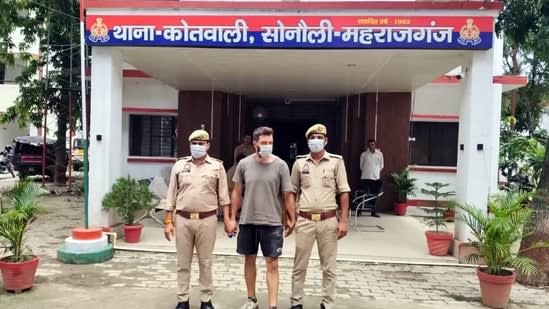
Jordan Brown, a US resident, was arrested in Maharajganj, Uttar Pradesh, while attempting to illegally cross the border into Nepal without a passport, following a travel trail that led from Bali to Goa.
The Mystery of Jordan Brown: Analysis of an Unauthorized Border Attempt
The apprehension of Jordan Brown, a US national, at the India-Nepal border in Maharajganj, Uttar Pradesh, presents a puzzling narrative of international travel that transitioned from leisure to a potential legal crisis. Arrested on July 11, Brown's journey is marked by a stark contrast in locations—moving from the tourist-heavy hubs of Bali and Goa to a remote, unauthorized crossing point on the edge of Nepal. This sequence of events suggests a trajectory that deviated sharply from standard tourist behavior, raising significant questions for immigration authorities regarding his intentions and the circumstances surrounding his missing documentation.
The Logistics of a Deviant Travel Path
Analyzing Brown's itinerary reveals a curious shift in environment. Bali and Goa are globally recognized as centers for leisure, spirituality, and tourism. Spending six weeks in Goa suggests a period of extended relaxation or a slow-travel approach. However, the sudden move to Maharajganj—a district far removed from the typical 'backpacker trail'—indicates a deliberate shift in objective. The transition from the coastal luxury of Goa to the rugged terrain of the UP-Nepal border suggests that Brown was no longer seeking a traditional vacation, but was instead attempting a crossing that avoided official checkpoints.
Legal Implications of Missing Documentation
At the heart of this arrest is the absence of a passport. For any foreign national, the passport is the primary legal instrument for existence within a sovereign state. The claim of a 'missing' passport, coupled with an attempt to use an 'unauthorized route,' creates a strong presumption of intent to evade immigration laws. Under Indian law, specifically the Foreigners Act, the failure to produce valid travel documents and the attempt to bypass official immigration posts can lead to severe penalties, including detention and deportation. The missing passport transforms a potential administrative error into a criminal investigation.
The Complexity of the India-Nepal Border
To understand the gravity of the arrest, one must consider the nature of the India-Nepal border. While the two nations share a unique 'open border' arrangement that allows citizens of both countries to move freely, this privilege does not extend to third-country nationals. For a US citizen, crossing into Nepal requires valid visas and official entry stamps. By attempting to use an unauthorized route in Maharajganj, Brown bypassed the necessary scrutiny of the Sashastra Seema Bal (SSB) and other border security forces, which are tasked with preventing human trafficking and illegal migration in this porous region.
Investigating the 'Mystery Trail'
The 'mystery' aspect of this case lies in the motivation. Investigators will likely examine whether Brown was fleeing a legal issue, attempting to enter Nepal under a pseudonym, or simply suffered a lapse in judgment following a long period of travel. The gap between his arrival from Bali and his arrest in UP suggests a period of transit that may hold clues to his state of mind or his associates. The discrepancy between his status as a tourist in Bali/Goa and a clandestine traveler in Maharajganj points toward a sudden change in circumstances that warrants deep forensic scrutiny of his communications and finances.
Broader Implications for Foreign Nationals in India
This incident serves as a stark reminder of the strict surveillance maintained by the Foreigners Regional Registration Office (FRRO) and border agencies. While India encourages tourism, the security apparatus remains highly sensitive to foreign nationals moving through border states like Uttar Pradesh or West Bengal. The arrest of a US citizen underscores that regardless of nationality, the violation of immigration protocols—especially the attempt to enter a neighboring country illegally—will be met with immediate law enforcement action.
Conclusion and Future Outlook
In summary, the case of Jordan Brown is a cautionary tale of the risks associated with undocumented travel. The trajectory from Bali to Goa and finally to a clandestine border crossing in Maharajganj paints a picture of a traveler who lost his legal standing and attempted a risky shortcut. Moving forward, Brown faces a complex legal battle involving both Indian and potentially US consular officials. The resolution of this case will depend on whether he can prove the loss of his passport was accidental and whether his attempt to enter Nepal was a result of desperation or a calculated effort to evade the law.
Verification Required?