US navy to go broke while fulfilling Trump's aesthetic dreams? $22000000000 carriers to get new look
Source Entity
Latest News: Todays Latest News Headlines from India & World | Hindustan Times | Hindustan Times
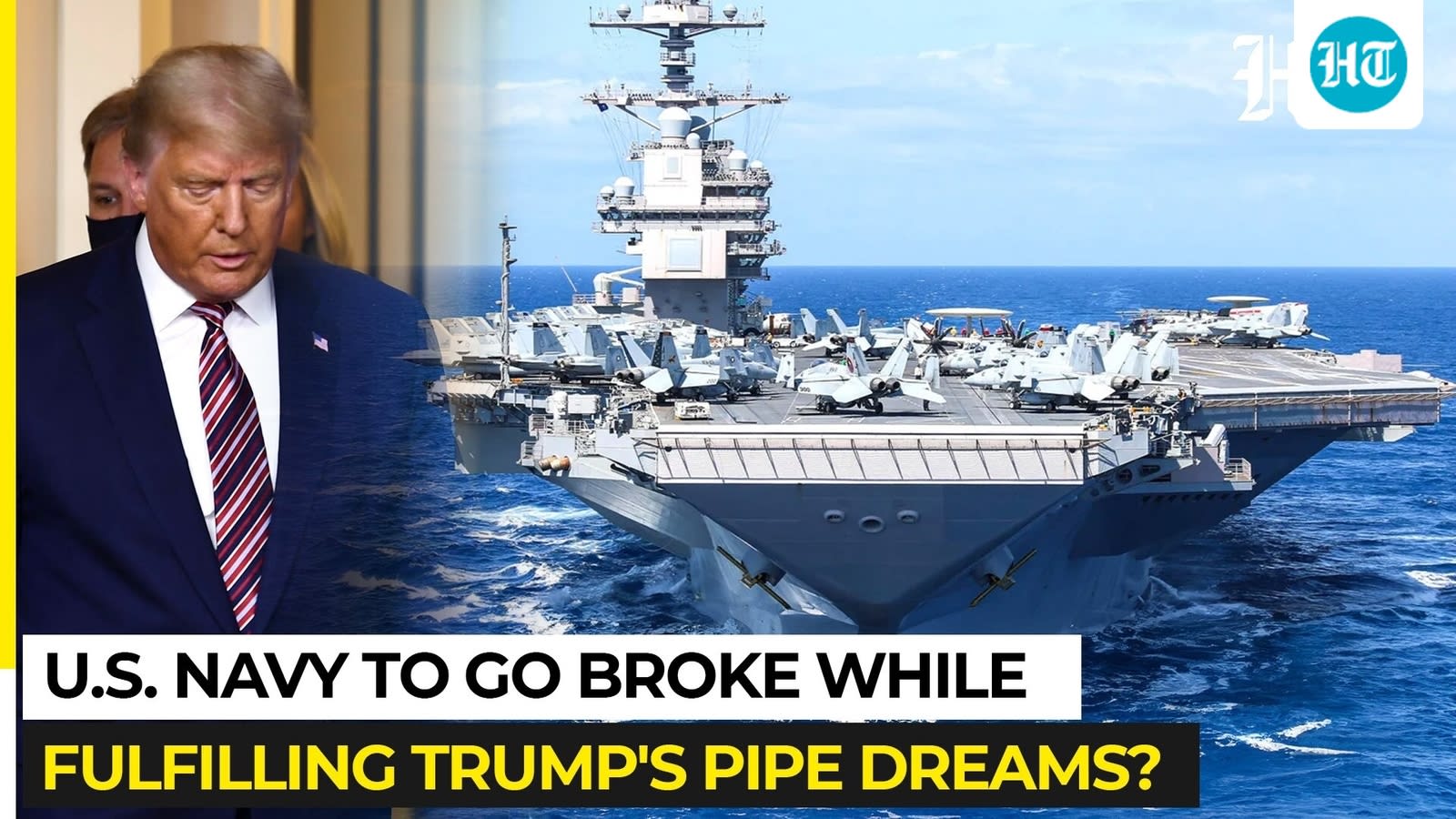
The U.S. Navy is evaluating potential design changes to Ford-class aircraft carriers, including moving island structures and reverting to steam catapults, at the direction of Donald Trump. These aesthetic and technical shifts face scrutiny over concerns regarding billions in additional costs and significant production delays.
The Cost of Aesthetics: The Future of Ford-Class Carriers
The U.S. Navy is currently navigating a complex intersection of political directives and naval engineering as it evaluates potential design modifications to the Ford-class aircraft carrier program. Reports indicate that the Navy is analyzing the feasibility of moving the ship's island—the command center located on the flight deck—further forward. This proposed adjustment is intended to echo the visual profile of older American warships, reflecting a specific aesthetic vision championed by Donald Trump.
Technical Implications and Operational Risks
Beyond the external redesign, the directive includes a study on replacing the modern Electromagnetic Aircraft Launch System (EMALS) with traditional steam catapults. The transition to EMALS was a hallmark of the Ford-class design, intended to increase sortie generation rates and reduce maintenance requirements compared to steam-powered predecessors. Reverting to steam technology could fundamentally alter the operational capacity of these vessels, potentially undermining the years of research and development invested in electromagnetic launch capabilities.
Fiscal Strain and Shipbuilding Delays
The financial implications of these proposed changes are substantial. With the Ford-class program already carrying a price tag reaching $22 billion per vessel, any major redesign introduces the risk of massive cost overruns. Shipbuilding is a process defined by precise engineering integration; moving major structural elements or changing propulsion and launch systems mid-development risks exacerbating existing delays that have already hampered the fleet’s modernization efforts.
Strategic Competition and Naval Readiness
These potential changes occur against a backdrop of intensifying global naval competition, most notably with China. As the People's Liberation Army Navy continues to expand its reach and modernize its fleet, the U.S. Navy is under immense pressure to deliver platforms that are both technologically superior and available on schedule. Critics argue that prioritizing aesthetic uniformity with historical designs could detract from the primary mission of maintaining a credible, combat-ready force capable of deterring modern threats.
Future Outlook and Conclusion
As planners continue to assess these directives, the Navy must weigh the value of traditional naval aesthetics against the harsh realities of maritime logistics and strategic readiness. The outcome of these studies will likely determine the trajectory of U.S. carrier development for decades. Ultimately, the challenge lies in balancing executive vision with the technical requirements necessary to keep America's most important warships at the forefront of global defense capabilities.
Verification Required?