After Jharkhand protesters burn Soren, Rahul effigies, State Government calls for fourth round of talks
Source Entity
India Latest News: Top National Headlines Today & Breaking News | The Hindu
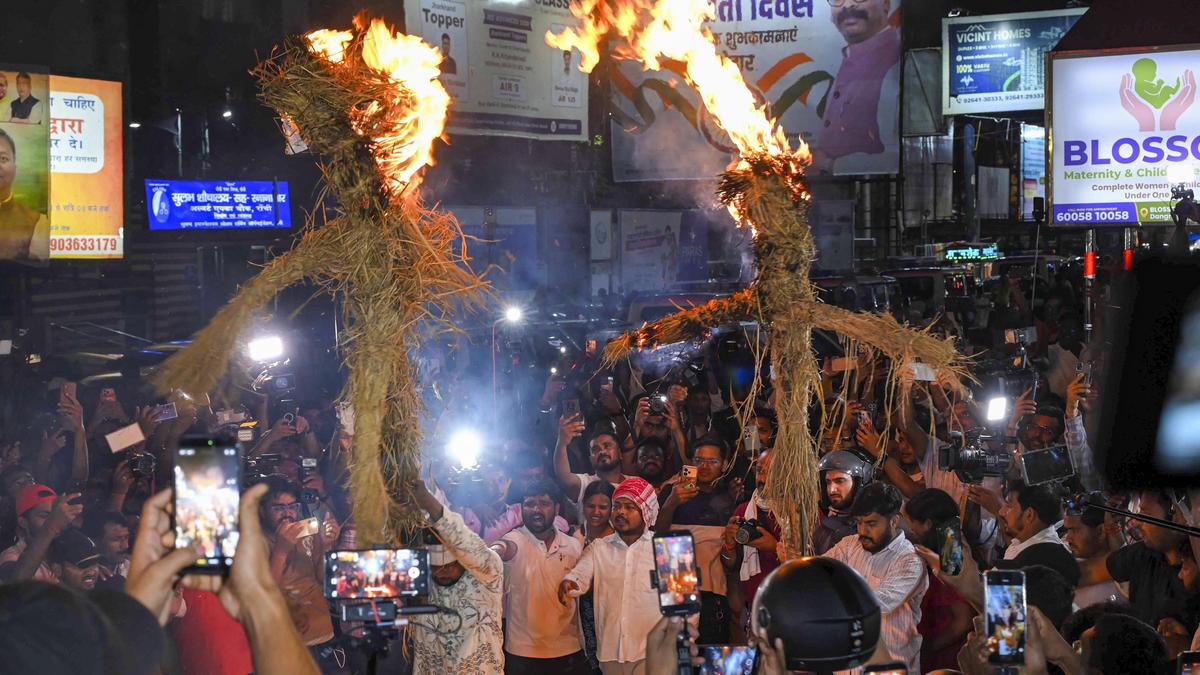
Job aspirants in Uttar Pradesh and Jharkhand are staging protests over recruitment delays and alleged exam irregularities. While UP candidates demand the release of VPO merit lists, Jharkhand protesters continue a long-term agitation against systemic corruption in state exams.
Escalating Tensions in Indian State Recruitment Processes
Across northern and eastern India, the landscape of government recruitment is currently marked by significant civil unrest. In Uttar Pradesh, candidates for the Village Panchayat Officer (VPO) examination have announced an indefinite protest scheduled for August 17, 2026, outside the Uttar Pradesh Subordinate Service Selection Commission (UPSSSC) office. This decision follows a three-month delay in the publication of the final merit list, a wait that aspirants describe as having an adverse impact on their livelihoods and career trajectories.
The Role of Grassroots Advocacy
Supporting these candidates is the Sanyukt Pratiyogi Chhatra Hunkar Manch, a Prayagraj-based collective that acts as a bridge between individual aspirants and the administrative machinery. By organizing and amplifying the voices of those affected by the UPSSSC's administrative inertia, the Manch highlights the growing frustration among the youth regarding the lack of transparency and efficiency in state-level hiring processes. The threat of an indefinite protest serves as a direct challenge to the commission to expedite the release of results that have been pending for months.
Independence Day Protests in Jharkhand
Simultaneously, the situation in Ranchi, Jharkhand, has reached a critical juncture. On August 15, 2026, marking India’s 80th Independence Day, thousands of aspirants organized a 'Tiranga Yatra'—a march of the tricolor—to demand reforms in the state’s recruitment examination system. This event marked the 22nd day of a broader agitation, illustrating the deep-seated grievances held by students against the Jharkhand Public Service Commission (JPSC) and the Jharkhand Staff Selection Commission (JSSC).
The Conflict Over Protest Leadership
The tension in Jharkhand was further exacerbated by reports regarding Devendra Nath Mahto, a prominent leader of the protest movement who has been on a hunger strike for two weeks. Allegations that police prevented Mahto from leaving the hospital to join the 'Tiranga Yatra' have sparked further controversy. This incident underscores the friction between the state’s security apparatus and the democratic right of students to assemble and voice their dissent against alleged systemic irregularities and corruption within the examination process.
Political Rhetoric vs. Ground Realities
The official response from the Jharkhand government presents a complex dichotomy. Chief Minister Hemant Soren, in his Independence Day address, emphasized that the efforts of JPSC aspirants would not be left to the mercy of a "corrupt system" or "mafia." Governor Santosh Kumar Gangwar echoed these sentiments, labeling recruitment malpractices as "unacceptable" and vital to the trust of the student population. Despite these high-level assurances, the persistence of the protests suggests a significant gap between political promises and the actual experience of the aspirants on the ground.
Future Implications and Trends
These events reflect a broader trend of youth-led activism in India, where the lack of transparency in government recruitment acts as a catalyst for political mobilization. As candidates become increasingly organized through platforms like the Sanyukt Pratiyogi Chhatra Hunkar Manch, state commissions will likely face greater pressure to modernize their procedures and provide clearer timelines. The intersection of economic anxiety—driven by the need for stable government employment—and the demand for institutional integrity will likely remain a defining issue in regional politics in the coming years.
Multiple Citing Sources
Verification Required?