Reform UK benefits ban for foreign nationals would include EU citizens
Source Entity
BBC News
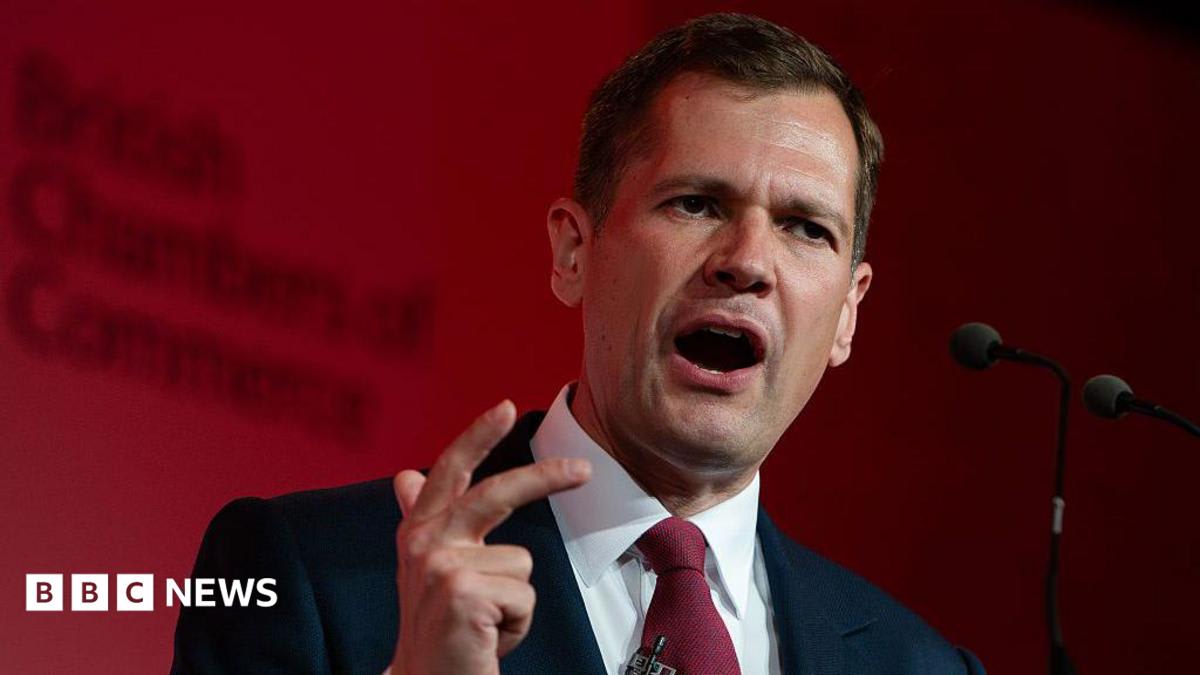
Reform UK has proposed a policy to bar foreign nationals, including EU citizens, from accessing UK welfare benefits. The plan, championed by Robert Jenrick, aims to reduce government spending but faces significant diplomatic and legal hurdles.
Reform UK’s Welfare Overhaul: A Strategic Shift
Reform UK’s latest policy proposal, spearheaded by shadow chancellor Robert Jenrick, marks a significant escalation in the party's approach to national immigration and fiscal policy. By advocating for a total ban on welfare benefits for foreign nationals—explicitly including those from the European Union—the party is positioning itself as a staunch defender of the British taxpayer. The core of this argument rests on the principle of social contribution, with Jenrick asserting that the current system is economically unsustainable and fundamentally unfair to those who have historically contributed to the UK's welfare state.
The Economic Argument vs. Fiscal Reality
The financial context for this proposal is substantial. With the government projected to spend £322bn on welfare in Great Britain—amounting to 10.6% of GDP—the fiscal pressure on the state is undeniable. Reform UK claims that their comprehensive 50-page plan, developed over six months, could yield annual savings of £50bn. However, while the party frames this as a necessary austerity measure to protect domestic resources, critics argue that the sheer scale of the proposed savings suggests a radical restructuring of the social safety net that goes far beyond simple eligibility adjustments.
Geopolitical and Diplomatic Consequences
The implementation of such a policy is fraught with diplomatic complexity. Because the proposal targets EU citizens, it would necessitate a formal renegotiation of the UK’s existing Brexit agreements. Such a maneuver would likely trigger a reciprocal response from European nations, potentially putting the rights and benefits of British expats living within the EU at severe risk. This creates a precarious “tit-for-tat” scenario where domestic political gains could lead to tangible losses for British citizens abroad, complicating the UK’s foreign relations in a post-Brexit landscape.
Moral Framing and Public Sentiment
Robert Jenrick’s rhetoric, describing the current system as "economically illiterate" and "immoral," is designed to resonate with a segment of the electorate that feels alienated by globalist economic policies. By framing the issue as an obligation to one’s neighbors versus an unsustainable subsidy for the global population, Reform UK is effectively tapping into broader anxieties regarding national identity and resource scarcity. This moral framing seeks to simplify complex macroeconomic issues into a narrative of domestic protectionism.
Future Implications for UK Policy
As Reform UK prepares to formally unveil these plans, the proposal serves as a litmus test for the current political discourse. The feasibility of saving £50bn while navigating the legal minefield of international treaties remains a subject of intense debate. Should these ideas gain traction, they could force mainstream political parties to reassess their own welfare and immigration stances, potentially shifting the entire UK political spectrum toward more restrictive, nationalist policy frameworks in the coming election cycles.