Office Sales Jump 31% as CBD Transactions Accelerate
Source Entity
Yahoo Finance
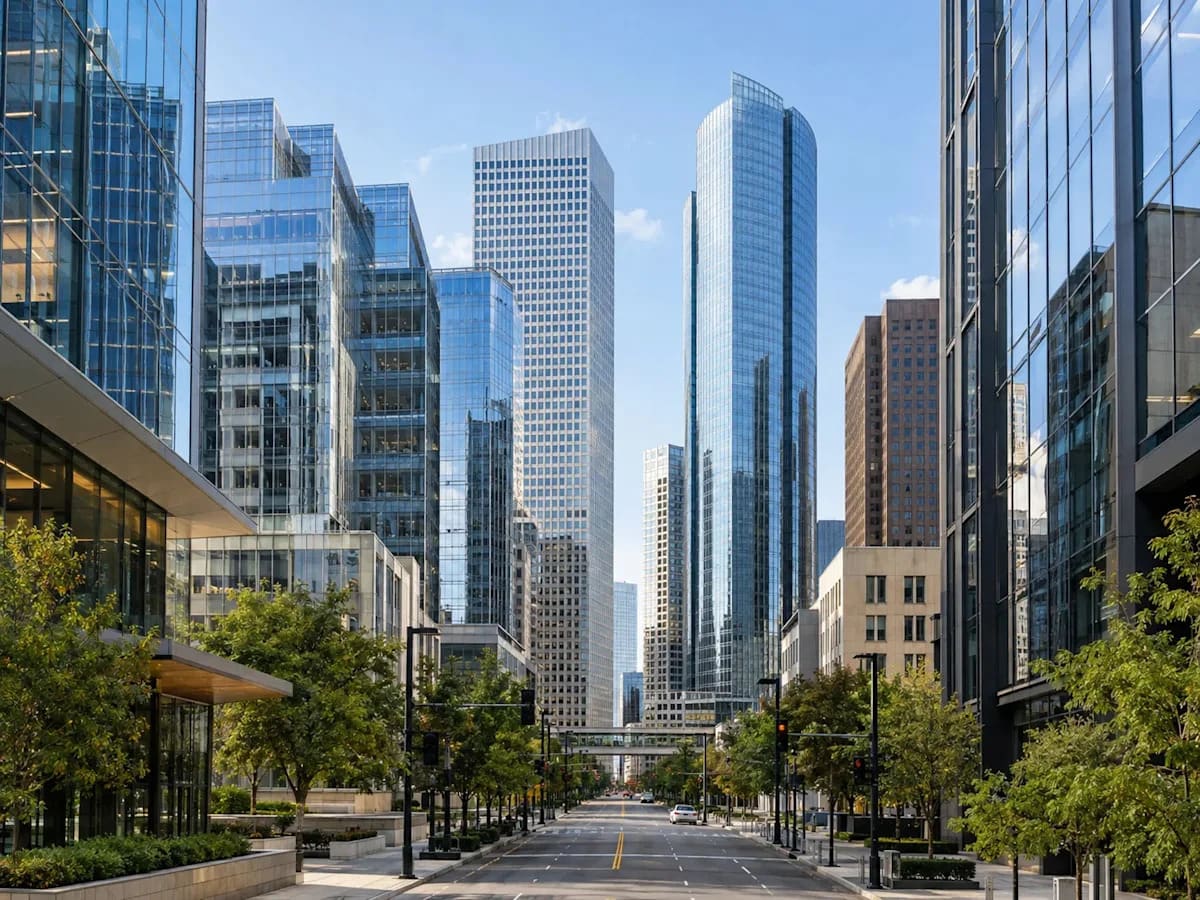
US office real estate sales surged 31% in July, reaching $7.6 billion in volume. Growth was particularly strong in central business districts, signaling a clearer market rebound for 2026.
The Resurgence of the Office Sector
Recent data indicates a significant shift in the commercial real estate landscape, with US office sales experiencing a 31% year-over-year increase. Recording $7.6 billion in nationwide volume during July alone, the sector is demonstrating a robust recovery trajectory. This surge is not merely a statistical anomaly but reflects a broader trend of stabilized transaction activity that marks a departure from the uncertainty that has plagued commercial real estate in recent years.
CBD vs. Suburban Dynamics
The recovery is characterized by a notable divergence between urban and suburban markets. Central Business District (CBD) transactions saw a remarkable 46% increase in July, significantly outpacing the 26% growth observed in suburban office spaces. This preference for urban centers suggests that investors are increasingly confident in the return-to-office momentum and the long-term viability of high-density corporate hubs, even as hybrid work models continue to evolve.
Mid-Year Performance and Market Trends
Looking at the broader financial picture, office sales for the first half of 2026 reached $40 billion, representing a 14.1% increase compared to the same period in the previous year. This consistent upward trend, supported by Colliers sales data, highlights that the market is finding a floor and building upward. As major markets show stronger activity, the capital allocation toward office assets is shifting from a defensive posture to a more growth-oriented strategy.
Sectoral Significance
The office sector's performance is particularly noteworthy as it stands out as one of only two traditional asset classes to achieve this level of growth during the measured period. By outperforming other property types in transaction volume, the office market is proving that despite the systemic shifts in how corporations utilize space, liquidity is returning to the sector. This liquidity is a critical indicator of institutional confidence and debt market stabilization.
Future Implications
As transaction volume continues to accelerate, the 2026 outlook for office real estate appears increasingly positive. The current growth rate suggests that the sector is moving past the 'wait-and-see' phase that characterized much of the post-pandemic era. If this momentum persists, we can expect further price discovery and increased investment interest in premium office assets, particularly those located in prime, transit-oriented central business districts.
Conclusion
In summary, the 31% jump in office sales represents a pivotal moment for the commercial real estate industry. With $40 billion in volume recorded in the first half of the year and a clear preference for CBD assets, the market is signaling a healthy, albeit selective, recovery. Moving forward, the industry's ability to maintain this pace will depend on continued economic stability and the ongoing recalibration of corporate real estate needs.