US producer prices unexpectedly fall in June
Source Entity
Yahoo Finance
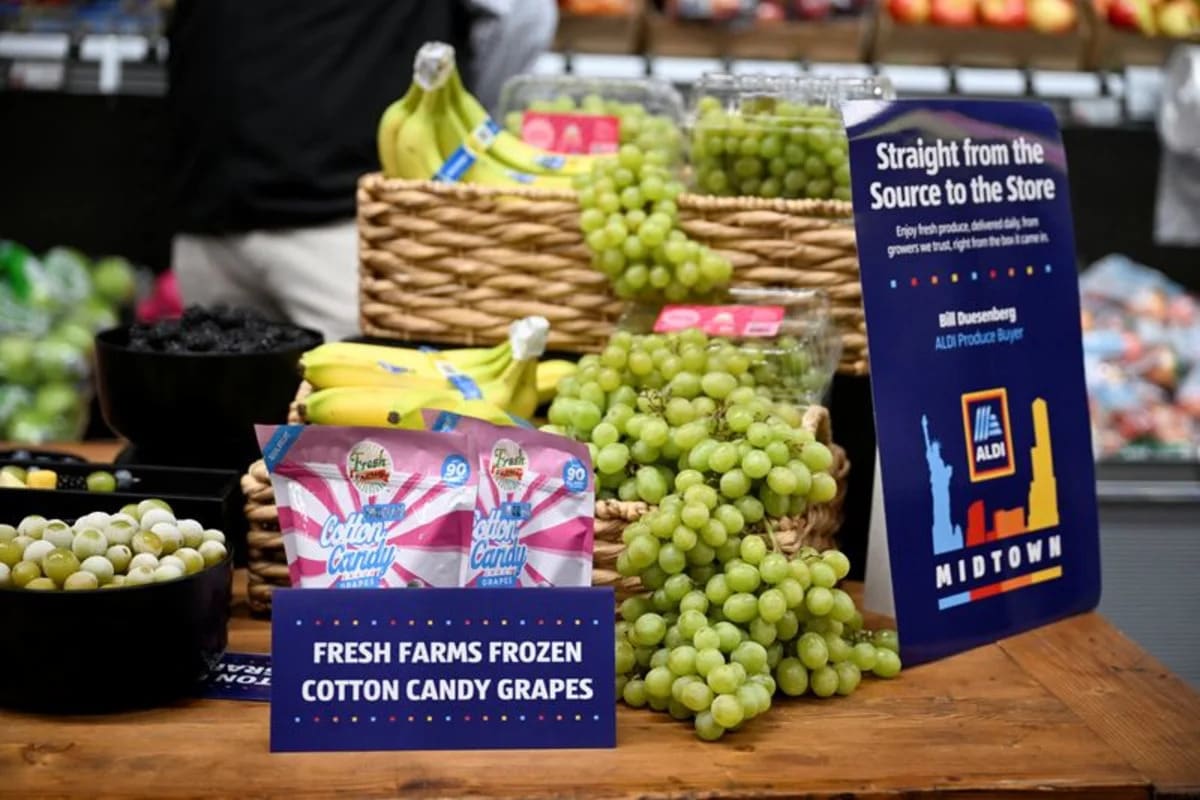
U.S. producer prices unexpectedly declined in June, signaling a cooling trend in inflation at the wholesale level, although recent geopolitical tensions in the Middle East may introduce new economic volatility.
Analysis of the Unexpected Decline in U.S. Producer Prices
Overview of the June PPI Shift
In a surprising turn for economic observers, the U.S. producer price index (PPI) recorded an unexpected decline in June. This data, reported by Reuters, serves as a critical barometer for the broader inflationary environment. While markets had anticipated a different trajectory, the dip in producer prices suggests that the costs of goods and services at the wholesale level are beginning to retreat. This development is particularly significant as it provides a snapshot of economic cooling just before the onset of increased geopolitical instability in the Middle East, which typically threatens to drive prices upward.
The Role of PPI as a Leading Indicator
To understand the weight of this decline, one must consider the relationship between the Producer Price Index (PPI) and the Consumer Price Index (CPI). PPI measures the average change over time in the selling prices received by domestic producers for their output. Because producers often pass their increased costs onto consumers to maintain profit margins, the PPI is widely regarded as a leading indicator for consumer inflation. A drop in producer prices often foreshadows a subsequent decline in the prices consumers pay at the pump or the grocery store, suggesting that the systemic pressure of inflation may be easing.
Monetary Policy and the Federal Reserve's Strategy
This unexpected decline occurs against the backdrop of the Federal Reserve's aggressive campaign to curb inflation through a series of interest rate hikes. By increasing the cost of borrowing, the Fed aimed to dampen demand and slow the pace of price increases across the economy. The June data indicates that these restrictive monetary policies may be achieving their intended effect, successfully cooling the production side of the economy. For policymakers, this provides a potential justification for pausing rate hikes or even considering a pivot toward rate cuts if the downward trend persists without triggering a severe recession.
Geopolitical Volatility and Energy Risks
The report explicitly notes that this retreat in inflation occurred before the recent escalation in the Middle East conflict. Geopolitical instability in this region is historically linked to volatility in global energy markets, specifically crude oil and natural gas. Since energy is a primary input for almost every sector of production—from manufacturing to transportation—a spike in oil prices can rapidly reverse the gains seen in the PPI. The tension between domestic cooling and international instability creates a precarious environment where temporary deflationary trends could be wiped out by external supply shocks.
Historical Context and Post-Pandemic Recovery
Historically, the U.S. economy has struggled with "sticky" inflation following major global disruptions, as seen in the wake of the COVID-19 pandemic. The surge in prices from 2021 to 2023 was driven by a combination of supply chain bottlenecks, pent-up consumer demand, and fiscal stimulus. The unexpected fall in June's producer prices suggests that the economy is finally moving past the volatile 'recovery phase' and entering a period of normalization. However, the fragility of this normalization is highlighted by how sensitive these indices remain to external political shocks.
Future Economic Outlook and Predictions
Looking ahead, the trajectory of U.S. inflation will likely depend on whether the June decline was an anomaly or the start of a sustained trend. If producer prices continue to fall or remain stable despite Middle Eastern tensions, it would signal a robust resilience in the U.S. supply chain. Conversely, if energy costs surge, we may see a 'second wave' of inflation. Investors and analysts will be closely watching the next round of CPI and PPI data to determine if the Federal Reserve has successfully navigated the 'soft landing'—bringing inflation down to its 2% target without crashing the broader economy.
Summary
In summary, the unexpected drop in June producer prices is a positive signal for those hoping for a retreat in inflation. It underscores the efficacy of current monetary tightening but also highlights the vulnerability of the global economy to geopolitical strife. The coming months will be decisive in determining whether this cooling trend is sustainable or merely a brief respite before new external pressures emerge.