Jeff Bezos, Sergey Brin & others spent millions on European shipyards; US want them back
Source Entity
TOI TECH DESK
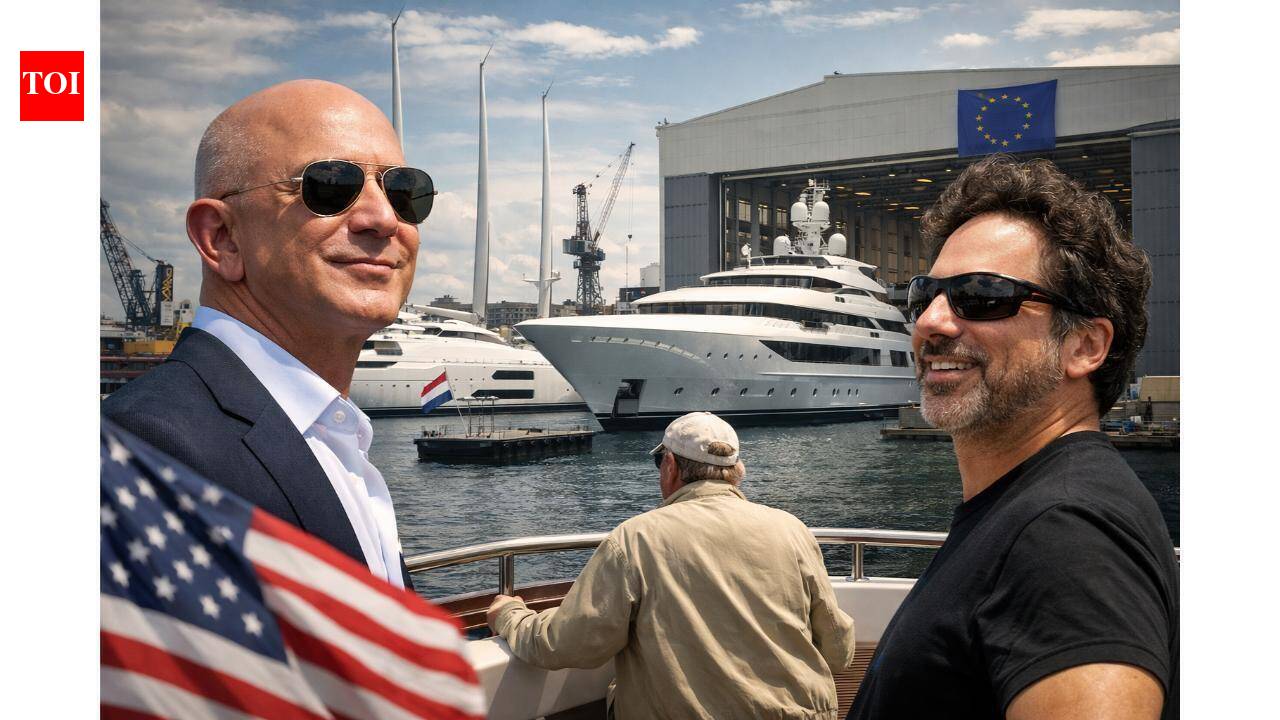
US shipyards, led by firms like Delta Marine, are challenging the traditional dominance of European superyacht builders by attracting ultra-high-net-worth individuals through hybrid technology, innovative designs, and favorable domestic regulatory frameworks.
The Great Shift in Superyacht Construction
For decades, the pinnacle of luxury maritime engineering has been synonymous with European shipyards. From the precision of German engineering to the artistic flair of Dutch builders, billionaires like Jeff Bezos and Sergey Brin have historically exported millions of dollars to Europe to realize their nautical fantasies. However, a significant shift is currently underway as American shipyards begin to aggressively challenge this hegemony, positioning the United States as a viable, and often preferable, hub for the construction of the world's most expensive private vessels.
The Strategic Alliance of Delta Marine and Bannenberg & Rowell
A pivotal driver of this domestic resurgence is the strategic partnership between Delta Marine and the renowned design firm Bannenberg & Rowell. By marrying American industrial capacity with world-class design sensibilities, Delta Marine is bridging the gap that previously drove wealthy clients toward European shores. This collaboration is not merely about aesthetics; it is about redefining the 'superyacht experience.' The focus has shifted toward creating seamless transitions between interior luxury and outdoor living spaces, reflecting a broader trend among the global elite toward wellness, nature-integration, and open-air hosting.
Technological Evolution: The Rise of Hybrid Systems
Beyond design, the American push is heavily anchored in technological innovation. The integration of hybrid propulsion systems is becoming a centerpiece of new US-built vessels. As environmental scrutiny increases and the demand for quieter, more sustainable cruising grows, the move toward hybridity allows US shipyards to compete on a cutting-edge level. These systems reduce the carbon footprint of these massive vessels while providing a more serene experience for the owner, effectively neutralizing the traditional European advantage in sophisticated marine engineering.
The Regulatory Edge and Domestic Advantages
One of the most critical, yet often overlooked, factors in this shift is the role of US law. Domestic yacht construction offers a suite of practical and financial advantages that European builds cannot match for US-based owners. From streamlined registration processes to specific tax implications and potential regulatory perks associated with US-flagged vessels, the legal landscape is becoming a powerful incentive. When the cost of importing a vessel from Europe is weighed against the efficiency and legal ease of a domestic build, the economic argument for American shipyards becomes compelling.
The Psychology of High-Net-Worth Ownership
The world of superyachts is as much about prestige and perfection as it is about transportation. This is highlighted by the recent incident involving Larry Ellison, who renamed his yacht after discovering an offensive spelling. Such an event underscores the meticulous—and sometimes obsessive—attention to detail that defines this market. For US shipyards to succeed long-term, they must not only master the engineering but also the 'concierge' level of service and extreme customization that billionaires demand, ensuring that every weld and every letter is flawless.
Conclusion: A New Era for American Shipbuilding
In summary, the tide is turning in the luxury maritime sector. By combining top-tier design partnerships, a commitment to hybrid technology, and the inherent advantages of US domestic law, American shipyards are successfully reclaiming a market once dominated by Europe. As more tech titans and entrepreneurs look toward domestic options, the US is poised to transform from a secondary player into a primary leader in the superyacht industry, signaling a broader revitalization of high-end American manufacturing.