Stock market today: Dow rises, S&P 500 and Nasdaq fall as chip stocks slide after TSMC earnings
Source Entity
Yahoo Finance
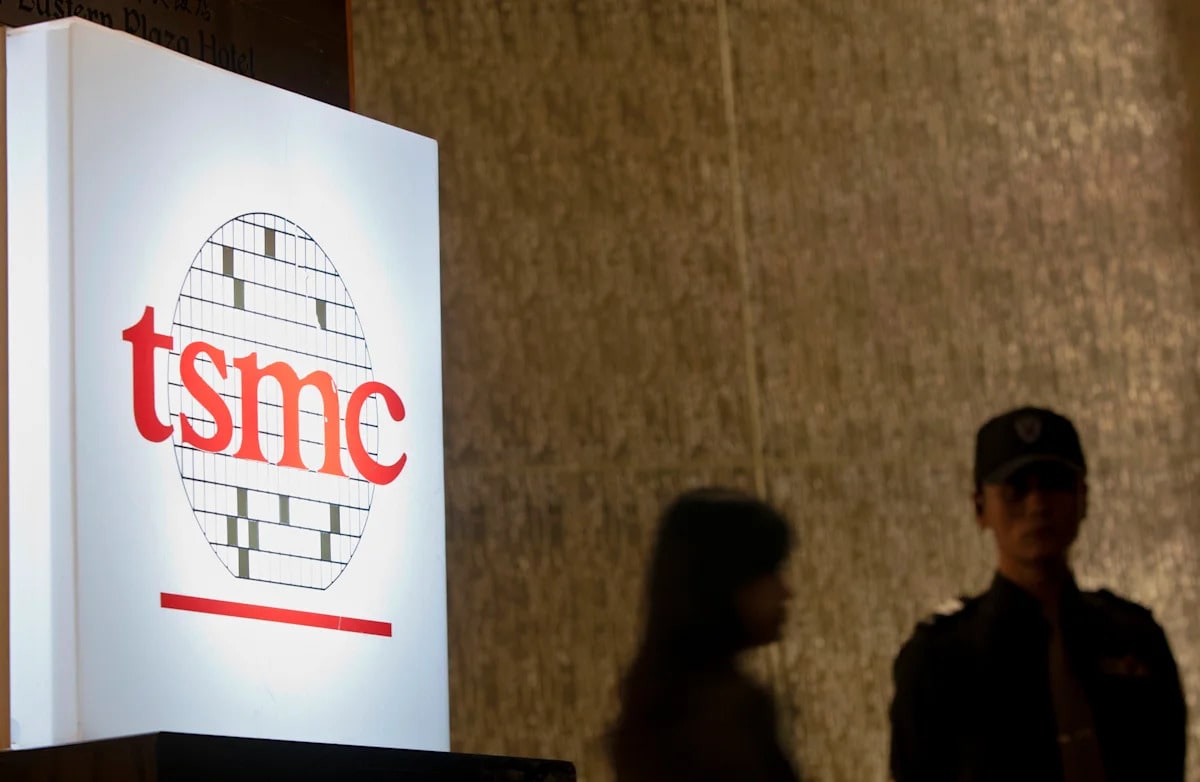
US stock markets showed a split performance on Thursday, with the Dow Jones Industrial Average rising while the S&P 500 and Nasdaq fell. The decline in tech-heavy indices was primarily driven by a slide in semiconductor stocks following TSMC's earnings report and ongoing geopolitical tensions between the US and Iran.
Market Divergence: The Tug-of-War Between Value and Growth
Thursday's trading session presented a striking dichotomy in the US equity markets, characterized by a clear divergence between the Dow Jones Industrial Average and the tech-centric indices. While the Dow managed to post gains, the S&P 500 and the Nasdaq Composite retreated, signaling a shift in investor sentiment. This split indicates a rotation of capital away from high-growth, high-valuation technology stocks and toward more stable, blue-chip industrial components. This movement often occurs when investors seek 'safe havens' amidst volatility in the growth sector, particularly when the catalysts for that growth—such as the artificial intelligence boom—face critical scrutiny.
The TSMC Catalyst and the Semiconductor Slump
At the heart of the Nasdaq's decline was the reaction to earnings from Taiwan Semiconductor Manufacturing Company (TSMC). As the world's largest dedicated independent semiconductor foundry, TSMC serves as the primary manufacturer for nearly every major AI chip designer, including Nvidia and Apple. When TSMC's earnings or forward-looking guidance suggest any form of plateau or supply-chain friction, it sends a ripple effect through the entire semiconductor ecosystem. The subsequent slide in chip stocks suggests that investors are becoming increasingly sensitive to the actual delivery of AI-driven revenue, moving past the initial phase of speculative euphoria to a phase of rigorous fundamental analysis.
Re-evaluating the AI Boom
This market reaction underscores a broader psychological shift regarding the 'AI boom.' For the past several quarters, the S&P 500 and Nasdaq have been propelled upward by an almost unconditional belief in the transformative power of generative AI. However, the current dip suggests a 'rationalization' period. Investors are now questioning whether the massive capital expenditures (CapEx) being poured into AI infrastructure will yield proportionate returns in the short-to-medium term. The volatility following the TSMC report highlights that the market is no longer rewarding AI mentions alone; it is now demanding concrete evidence of sustainable growth and margin expansion.
Geopolitical Headwinds: The US-Iran Conflict
Adding a layer of complexity to the market volatility is the escalation of tensions between the United States and Iran. Geopolitical instability in the Middle East historically introduces a 'risk-off' environment, where investors flee volatile assets in favor of commodities or stable dividends. The potential for disrupted oil shipments or increased regional conflict creates an umbrella of uncertainty that weighs heavily on global trade. While the Dow's rise suggests some resilience in domestic industrial sectors, the overall pressure from the US-Iran conflict serves as a ceiling for the broader market, preventing a coordinated rally across all indices.
Structural Implications for Market Indices
The divergence between the Dow and the Nasdaq is a reflection of their structural compositions. The Dow, being price-weighted and focused on established industrial giants, is less exposed to the volatility of the semiconductor cycle. In contrast, the Nasdaq and S&P 500 are heavily weighted toward the 'Magnificent Seven' and other tech behemoths. Consequently, any negative sentiment surrounding chip production or AI valuation disproportionately affects these indices. This session serves as a reminder that the concentration of market gains in a few tech stocks creates a systemic vulnerability where a single earnings report from a company like TSMC can derail the trajectory of the entire broader market.
Future Outlook and Predictive Trends
Looking ahead, the trajectory of the US markets will likely depend on two primary factors: the stabilization of geopolitical tensions and the next wave of quarterly earnings. If the US-Iran conflict escalates, we can expect further volatility and a potential spike in energy prices, which could eventually drag down the Dow as well. However, if the semiconductor sector finds a new floor, the Nasdaq may recover. The critical trend to watch is the transition from 'AI hype' to 'AI utility.' Future gains will likely be driven by companies that can demonstrate integrated AI applications that drive actual bottom-line growth, rather than those simply providing the hardware.
Summary
In conclusion, Thursday's market activity was a confluence of corporate earnings and geopolitical stress. The slide in chip stocks following TSMC's report acted as a reality check for the AI trade, while the US-Iran conflict added a layer of systemic risk. The resulting split—where the Dow rose while the Nasdaq and S&P 500 fell—highlights a strategic shift in investor preference toward value over growth during periods of high uncertainty.