US stocks fall further as fears over AI intensify
Source Entity
BBC News
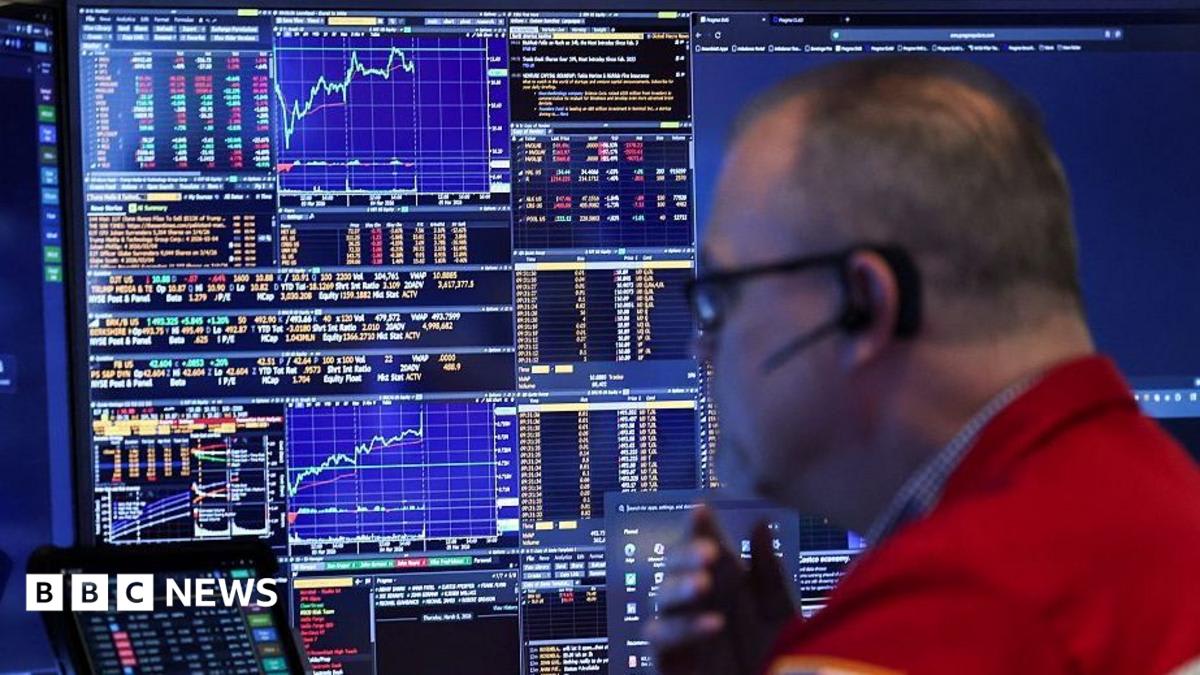
US stock indices, particularly the tech-heavy Nasdaq, have declined sharply as investor anxiety grows over the sustainability of AI-related investments. This market downturn is compounded by the introduction of new US government tariffs, challenging the role of big tech as a buffer against economic instability.
Market Volatility and the AI Investment Hangover
Recent trading sessions have witnessed a significant downturn in US equity markets, with all three major indices experiencing downward pressure. The tech-dominated Nasdaq has been hit particularly hard, shedding nearly 4% in early trading. This volatility is largely driven by a cooling of investor sentiment toward artificial intelligence, a sector that has served as the primary engine of market growth over the past year. As the initial euphoria surrounding AI capabilities begins to face the reality of capital expenditure requirements, investors are increasingly questioning the long-term sustainability of these massive investments.
The Broad Tech Sector Sell-off
The ripple effects of this skepticism are visible across the entire technology landscape. High-profile companies closely tethered to the AI boom, most notably Nvidia and Anthropic, have seen their share prices drop sharply. This downward trend is not isolated to AI-native firms; it has permeated the portfolios of major industry stalwarts, including Amazon, Tesla, SpaceX, Microsoft, and Meta. The breadth of this decline suggests a systemic reassessment of risk among institutional investors who had previously treated these firms as essential, high-growth holdings.
Tariffs and the Eroding Economic Buffer
Compounding the pressure on tech stocks is a shift in the broader macroeconomic environment, specifically the announcement of new US government tariffs on key trading partners. These measures are a cornerstone of President Donald Trump’s trade policy, aimed at reshaping international trade dynamics. Historically, the massive market capitalization and robust balance sheets of big tech companies have acted as a shield for the US economy, absorbing shocks from geopolitical tensions and trade disputes. However, the recent convergence of sector-specific AI concerns and government-imposed trade barriers has compromised this defensive position.
Implications for Future Market Stability
The current market situation highlights a precarious transition period for the US economy. For years, the dominance of big tech provided a floor for equity markets, even during periods of global economic uncertainty. As these companies now face both internal valuation scrutiny regarding AI profitability and external pressure from protectionist trade policies, the traditional insulation they provided is thinning. Investors are now forced to weigh the long-term productivity gains promised by AI against the immediate reality of rising trade costs and potential retaliatory measures from global partners.
Conclusion: A New Era of Uncertainty
Ultimately, the confluence of these events signals a potential shift in market leadership and strategy. While AI remains a transformative technological frontier, the market is currently demanding proof of revenue conversion and sustainable return on investment. With the added complexity of a new tariff regime, the volatility observed in the Nasdaq and beyond suggests that the era of unquestioned tech-led growth is facing its most significant test in recent history. The coming weeks will be critical in determining whether this is a temporary correction or the beginning of a more profound structural realignment in the financial markets.