US moves to cut China’s remote access to AI chips
Source Entity
Ashley Belanger
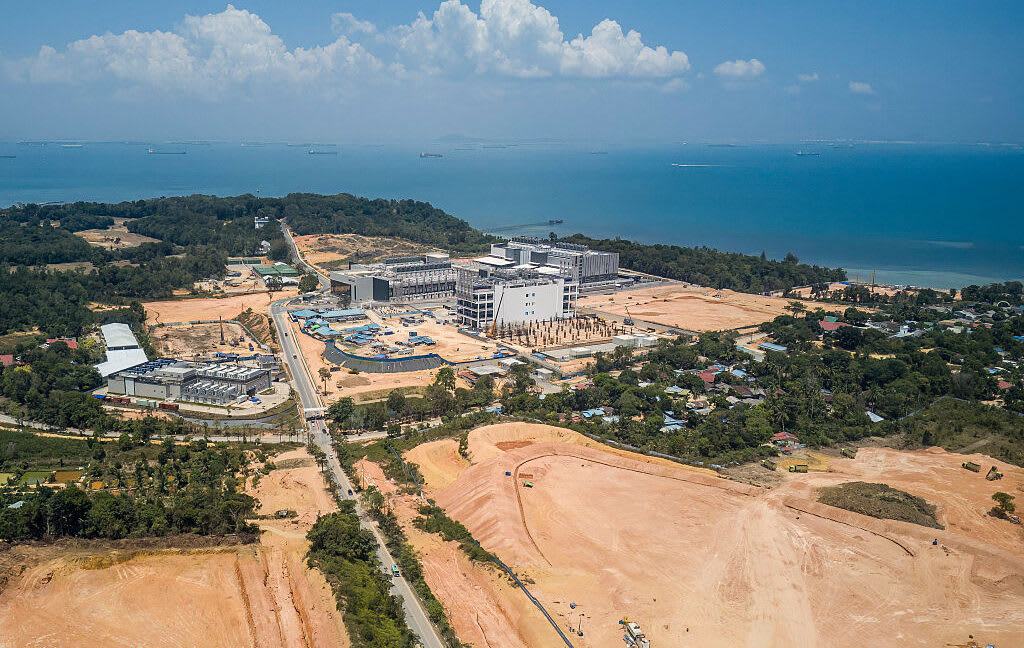
The US government is implementing new export controls to prevent Chinese firms from bypassing chip restrictions via remote access to overseas data centers. This move aims to curb the development of AI models that could support military and intelligence activities.
Strengthening the AI Semiconductor Iron Curtain
The Trump administration has initiated a significant escalation in its strategic technology policy by rolling out new export controls targeting the remote accessibility of high-end AI chips. By requiring licenses for the export, re-export, or transfer of AI infrastructure to data centers globally, the U.S. Commerce Department is effectively attempting to close a massive loophole that has allowed restricted entities to circumvent hardware sanctions. This policy shift acknowledges that in an era of cloud computing, physical possession of hardware is no longer the only path to advanced AI capabilities.
Targeting the Remote-Access Loophole
Historically, U.S. export controls focused on the physical shipment of semiconductors to restricted destinations, such as China, Russia, Iran, and North Korea. However, foreign actors have increasingly leveraged cloud-based infrastructure—often hosted in third-party nations like Indonesia, Malaysia, Singapore, Thailand, and Brazil—to rent the computational power of Nvidia-grade chips. By targeting the transfer of compute to these data centers, the U.S. is aiming to neutralize the 'as-a-service' model that has allowed restricted countries to train large-scale AI models without direct ownership of the prohibited hardware.
National Security and Military Implications
The urgency behind these measures stems from the dual-use nature of advanced AI. The Commerce Department has explicitly stated that the remote access provided by these offshore data centers could empower rivals to build AI models capable of supporting military and intelligence-related activities. From the perspective of U.S. national security, allowing foreign adversaries to train sophisticated algorithms on American-designed silicon constitutes a strategic failure that risks eroding the U.S. military-technological edge.
The Corporate Context: The Megaspeed Controversy
This regulatory tightening occurs against a backdrop of heightened corporate scrutiny, exemplified by the recent controversy involving Megaspeed and the departure of Alice Huang. While the company maintains that its operations were legitimate and lawful, the incident highlights the intense pressure on firms to police their own supply chains and international partnerships. As the U.S. government demands greater transparency, companies operating in the semiconductor and data center space are finding themselves at the center of a geopolitical tug-of-war.
Future Trends in Export Controls
Looking ahead, these interim rules signal a broader trend toward 'extraterritorial' enforcement of technology standards. Future regulations will likely focus on stricter end-user verification processes for data centers worldwide, potentially forcing global cloud providers to adopt rigorous 'know-your-customer' protocols regarding who accesses their compute resources. As the U.S. attempts to maintain its lead in the AI arms race, the global market for high-end compute faces a period of significant fragmentation, where technological cooperation will be increasingly subordinate to national security mandates.
Concluding Summary
In summary, the U.S. government’s latest move marks a pivot from hardware-centric restrictions to a comprehensive control of AI compute capacity. By addressing the remote-access loophole, the administration is attempting to effectively stifle the ability of restricted nations to train advanced AI models. This policy will likely lead to a more bifurcated global tech ecosystem, forcing multinational firms to choose between alignment with U.S. export standards or losing access to advanced American technology.
Multiple Citing Sources