How new US chip restrictions on South East Asia will hit China
Source Entity
BBC News
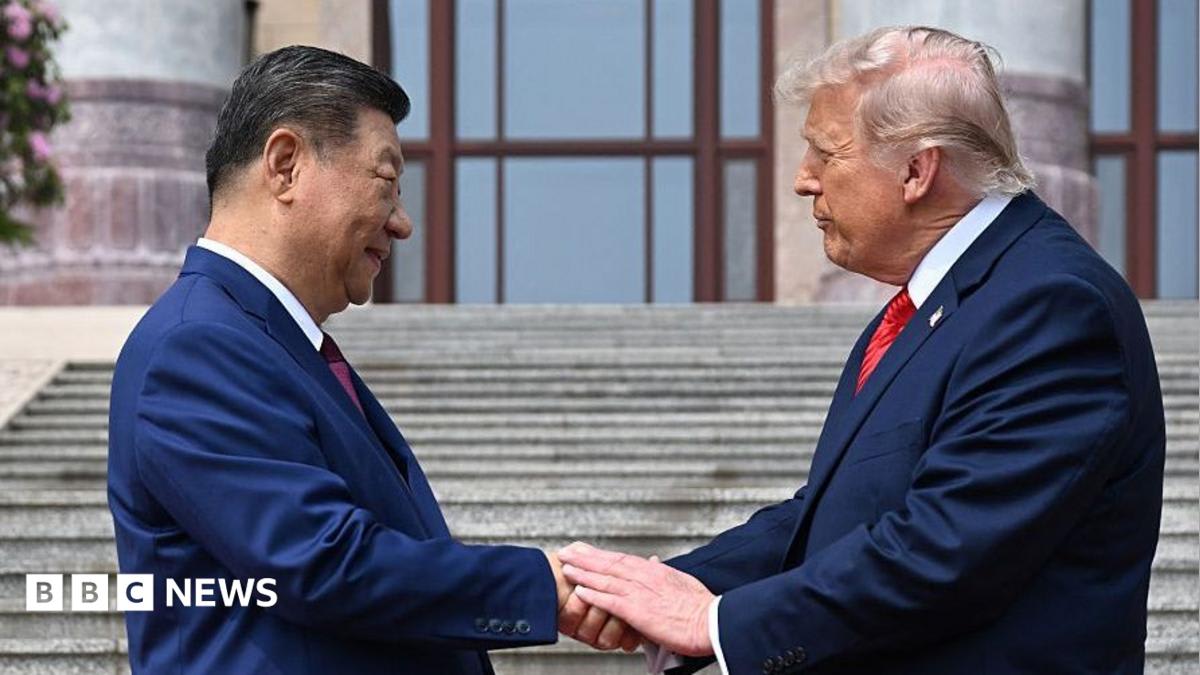
The U.S. is expanding export controls to prevent restricted nations from accessing AI compute via overseas data centers. This move coincides with an internal investigation at Megaspeed following reports linking a former executive, alleged to be a Chinese intelligence asset, to former Nvidia CEO Jensen Huang.
The New Frontier of AI Export Controls
The United States government is aggressively expanding its regulatory framework to curb the proliferation of advanced AI capabilities to adversarial nations. By implementing new interim rules, the Commerce Department is shifting its focus from physical chip shipments to the virtual domain. The primary concern is that companies based in restricted nations—notably those in the D:5 group including China, Russia, Iran, and North Korea—are bypassing hardware export bans by leasing remote computing power from data centers located in third-party jurisdictions.
Targeting the Remote Access Loophole
Under these new directives, U.S. firms must obtain licenses for the export, reexport, or transfer of AI chips and servers if those resources could potentially provide compute to entities in restricted countries. This represents a significant escalation in the U.S. technology containment strategy. By targeting the service layer of AI infrastructure, the U.S. aims to ensure that the physical location of the hardware no longer provides a loophole for bypassing national security protocols regarding high-performance computing.
The Megaspeed Controversy and Corporate Governance
Parallel to these regulatory shifts, the Singapore-based cloud computing firm Megaspeed has found itself at the center of a geopolitical and corporate scandal. The company is currently conducting an internal investigation into its business operations and supply chain following allegations that a former executive, Alice Huang, served as a Chinese intelligence asset. These reports have created significant reputational and security concerns for the firm, which operates in a sector currently under intense scrutiny from Western regulators.
The Human Element: Leadership Fallout
The situation at Megaspeed has been compounded by the high-profile exit of former Nvidia CEO Jensen Huang. Following revelations of an extramarital relationship with Alice Huang, Jensen Huang resigned from his position on November 12, 2025. The nexus between a top-tier semiconductor executive and an individual identified by U.S. intelligence as a potential foreign asset underscores the extreme sensitivity of the current AI supply chain and the vulnerability of corporate leadership to foreign influence operations.
Strategic Implications for the Future
The convergence of these events suggests a future where the AI industry will face increasingly rigorous compliance requirements. Companies will likely be forced to implement stricter 'Know Your Customer' (KYC) protocols for cloud services to ensure that compute power is not being funneled to prohibited actors. As the line between hardware manufacturing and remote cloud services continues to blur, the U.S. government is signaling that it will treat digital infrastructure with the same strategic importance as traditional military technology exports.
Conclusion
As the U.S. tightens its grip on AI compute access, the industry must prepare for a more fragmented and highly regulated global market. The internal probe at Megaspeed and the leadership changes at Nvidia serve as cautionary tales regarding the intersection of personal conduct, corporate security, and international espionage. Moving forward, the efficacy of these new export rules will depend on the ability of the Commerce Department to monitor remote data center usage effectively while navigating the complexities of global cloud computing networks.
Multiple Citing Sources