US-Venezuela energy pact: What we know about Trump’s ‘biggest oil deal in world history’
Source Entity
SHIVANGHI PAYAL
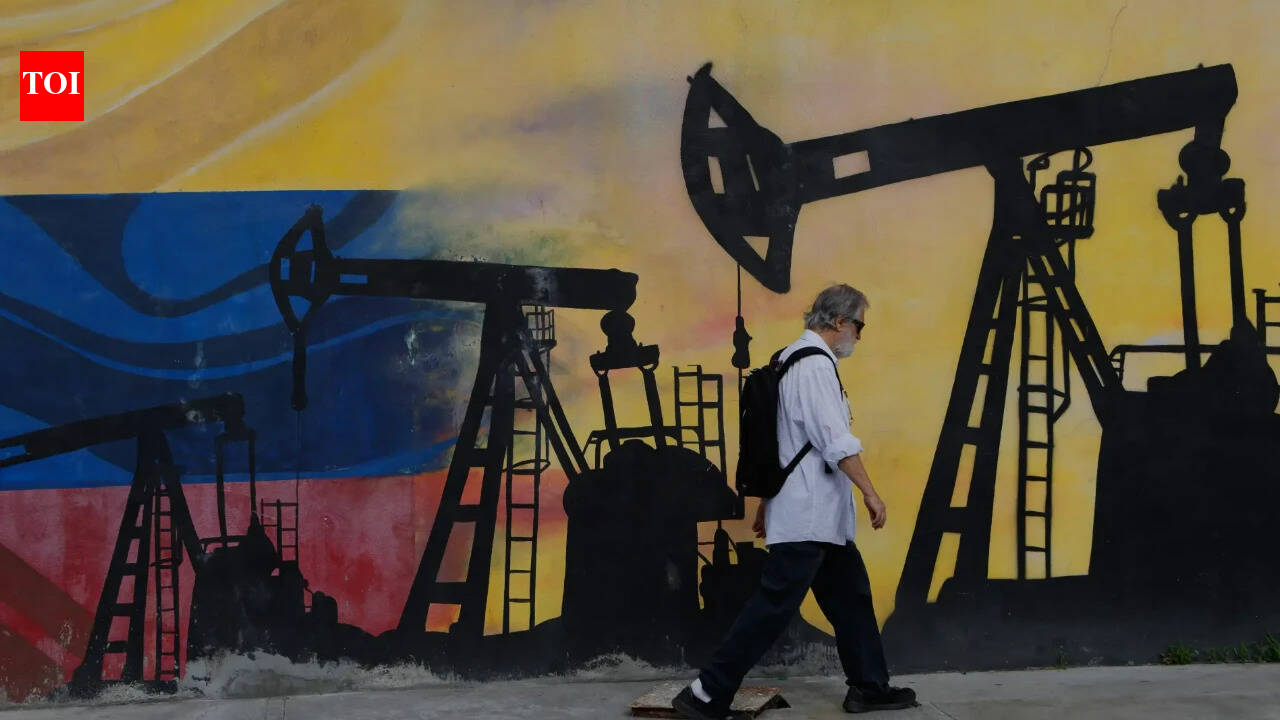
The US and Venezuela have announced a 25-year energy partnership granting the US majority control over significant Venezuelan oil reserves. While touted as a historic deal to revive Venezuela's industry, the lack of clarity regarding infrastructure investment costs has sparked criticism and questions about implementation.
A New Era for Hemispheric Energy
The recently announced 25-year energy partnership between the United States and Venezuela represents a seismic shift in Western Hemisphere geopolitics. By securing majority control—specifically 55 percent—of output from newly developed ventures involving over 65 billion barrels of Venezuelan crude, the United States is positioning itself to fundamentally reshape its energy security architecture. This agreement, which grants the U.S. rights to unexplored reserves for a century, is framed by President Donald Trump as the "biggest oil deal in world history."
Revitalizing a Stagnant Industry
Venezuela holds the world’s largest proven oil reserves, estimated at approximately 300 billion barrels. Despite this geological wealth, the nation has struggled to maintain production, currently contributing only about 1 percent of global crude supply. This partnership, negotiated by Secretary of State Marco Rubio, Defense Secretary Pete Hegseth, and interim President Delcy Rodriguez, aims to inject the necessary capital and technical expertise to revive Venezuela’s ailing infrastructure. The core objective is to convert these latent resources into tangible economic growth and tax revenue for a country that has faced severe financial instability.
The Role of Private Enterprise
A critical component of this agreement is the reliance on private companies to spearhead the operational revival. President Trump has emphasized that this implementation will occur at no cost to the American taxpayer, suggesting a strategy that leverages corporate investment rather than direct federal spending. However, the exact mechanism for this funding remains a subject of intense scrutiny, as the current framework does not explicitly clarify who will bear the massive costs associated with modernizing oil extraction and refining infrastructure.
Geopolitical Context and Control
The backdrop of this deal is the shift in Venezuelan leadership following the capture of Nicolás Maduro in January. This power transition allowed the U.S. to take a decisive role in the oversight of Caracas’s energy sector. By securing access to 20 percent of Venezuela's total proven reserves, the U.S. is effectively deepening its involvement in South American resource management, moving beyond traditional trade to direct operational influence over foreign state assets.
Challenges and Future Implications
Despite the scale of the announcement, the deal faces significant headwinds. Within Venezuela, the agreement has drawn criticism, fueled by concerns over national sovereignty and the long-term benefit for the local population. Furthermore, the lack of transparency regarding infrastructure costs has left industry analysts questioning the viability of the project timeline. As the U.S. navigates the complexities of this 25-year commitment, the success of the initiative will depend on whether the promised investment can overcome the systemic decay that has plagued the Venezuelan oil sector for decades.
Conclusion
This landmark energy pact marks a departure from standard diplomatic relations, moving into a model of direct industrial partnership. While the potential for the U.S. to stabilize its energy supply and for Venezuela to recover its economic footing is significant, the path forward is obscured by questions regarding fiscal responsibility and the political sustainability of the agreement. The international community will be watching closely to see if this "historic deal" can deliver on its ambitious promises.