Inside Trump 2.0: What new book reveals about his second presidency
Source Entity
Saptarshi Basak
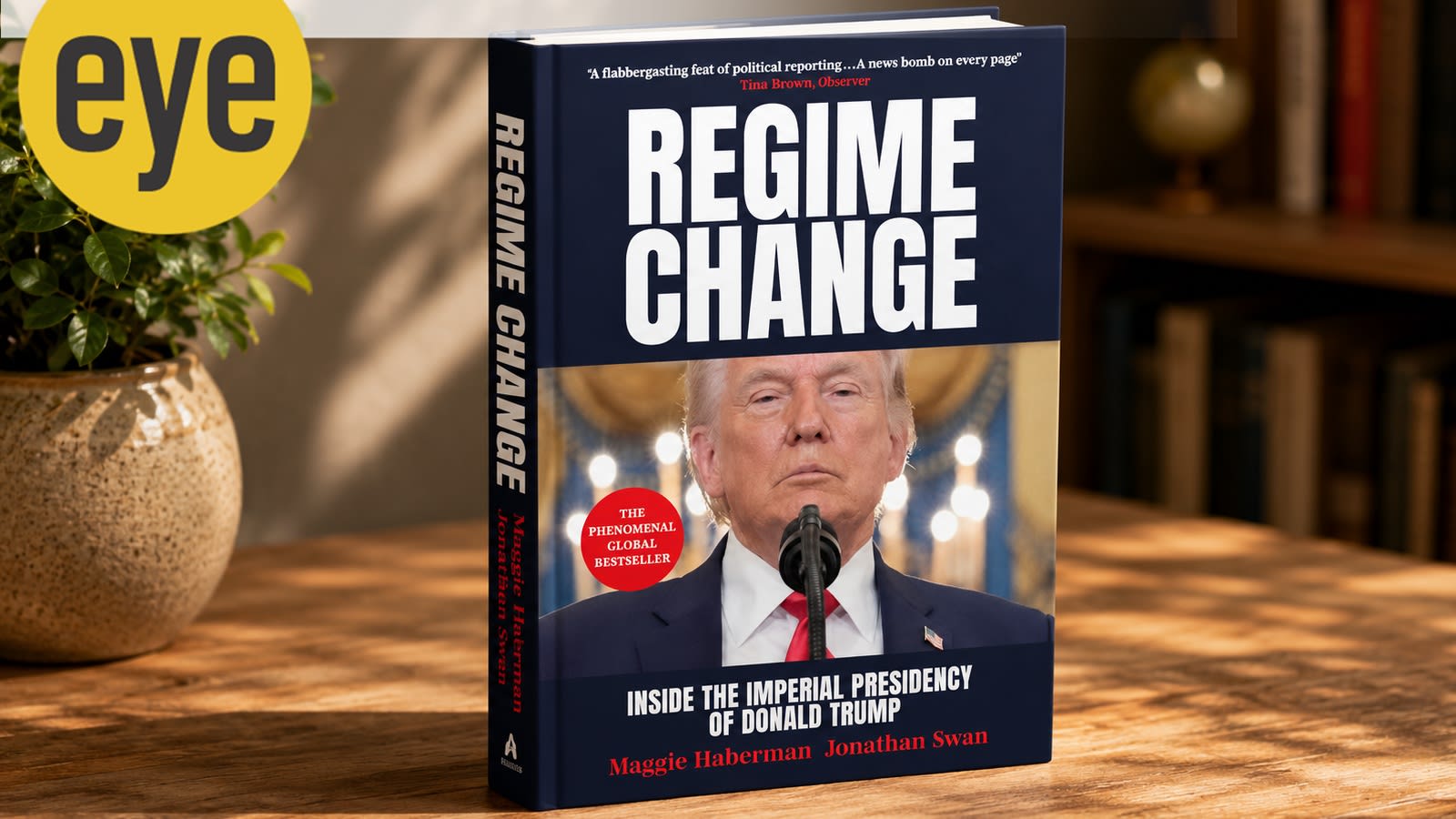
Maggie Haberman and Jonathan Swan’s new book, 'Regime Change,' provides a critical, detailed examination of Donald Trump's second presidential term. It highlights systemic challenges to American democratic institutions and the centralization of power.
The Imperial Presidency: Analyzing 'Regime Change'
Journalism often serves as the preliminary record of historical events, and the recent publication by Maggie Haberman and Jonathan Swan, Regime Change: Inside the Imperial Presidency of Donald Trump, stands as a definitive example of this function. By chronicling the first year of Donald Trump’s second term, the authors provide a granular look at an administration that has fundamentally altered the landscape of American governance.
Documenting Institutional Strain
Spanning over 450 pages, the book presents a sobering account of how the executive branch has functioned since Trump’s re-election. The authors characterize the administration’s internal operations as authoritarian, corrupt, and morally degraded, offering a level of detail that suggests a significant departure from traditional presidential norms. This documentation is essential for understanding how the mechanisms of power have been utilized to consolidate influence.
The Erosion of Democratic Norms
Central to the narrative is the tension between the presidency and the foundational pillars of the United States government. As the nation marks its 250th anniversary, the book underscores a period of profound stress on democratic institutions. By detailing how these institutions were bent to the will of a single individual, Haberman and Swan provide a roadmap for future historians to study the fragility of checks and balances in the modern era.
Contextualizing the 'Imperial Presidency'
The term 'Imperial Presidency' has long been used in political science to describe the expansion of executive power beyond constitutional constraints. This book suggests that the second Trump term has taken this concept to a new extreme. By providing a comprehensive look at the internal workings of the White House, the authors force a confrontation with the reality of how policy and personnel decisions are now being driven by a singular, centralized vision.
Implications for the Future
While the book is noted for being a dense and difficult read, its value lies in its role as an evidentiary record. The reporting contained within Regime Change does not merely offer commentary; it provides the raw material for future analysis regarding the trajectory of American democracy. Readers are presented with the consequences of an administration that prioritizes personal loyalty and executive authority over traditional bureaucratic processes.
Conclusion
Ultimately, Regime Change serves as a critical mirror held up to the American political system. It challenges citizens and scholars alike to consider the long-term implications of a presidency that operates with such concentrated power. As history looks back on this period, this work will likely be cited as a seminal text in understanding the systemic shifts that occurred during the second Trump administration.