Punjab government moves to act against employees absent during Maha Hartal
Source Entity
Kanchan Vasdev
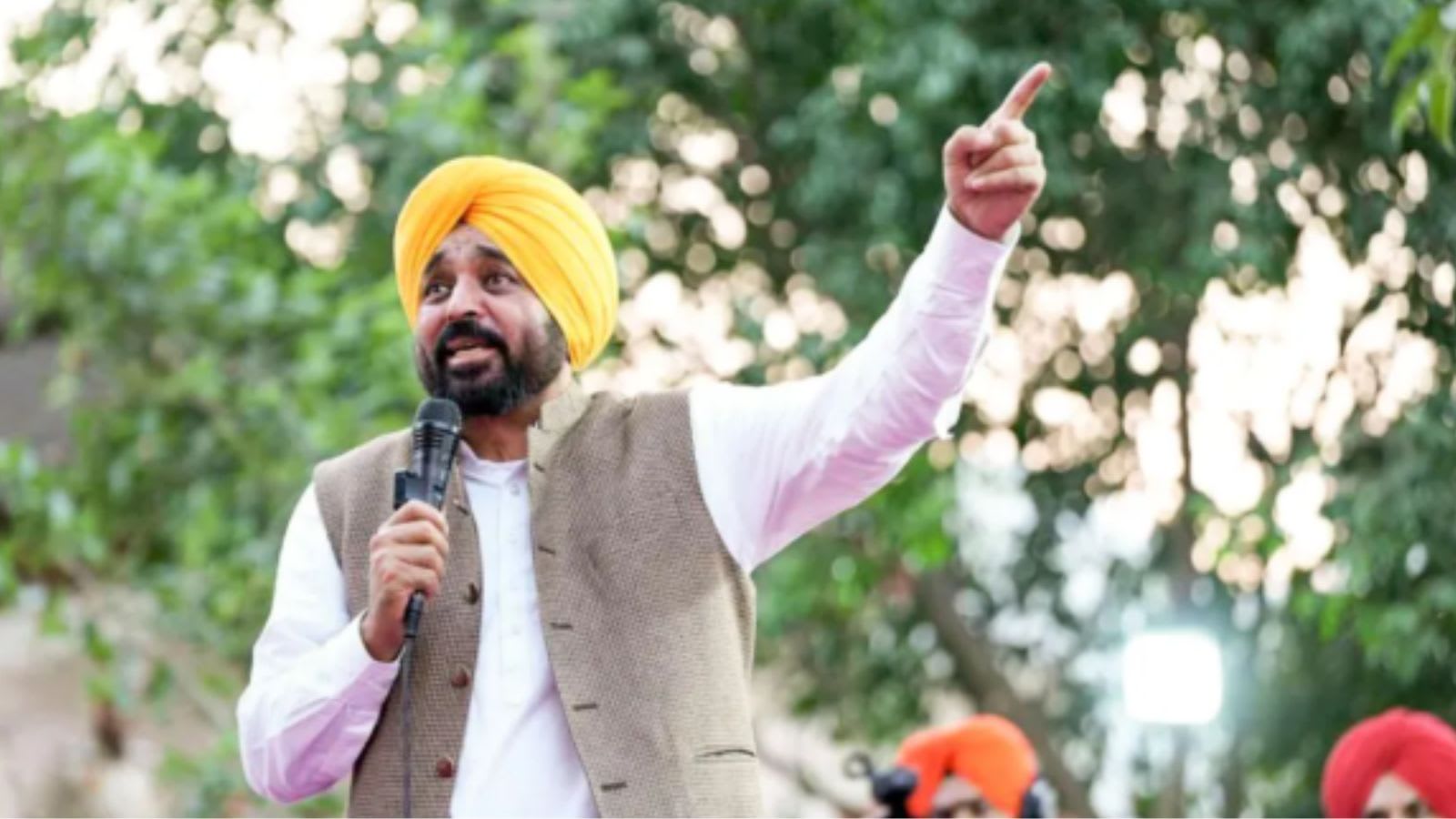
The Punjab government is facing mounting pressure as employee unions demand the restoration of the Old Pension Scheme and pending Dearness Allowance. Simultaneously, farmer organizations have announced a week-long protest in Chandigarh and Mohali, creating a dual challenge for the administration.
Escalating Civil Unrest in Punjab: A Dual Challenge
The Punjab government is currently navigating a period of significant social and administrative turbulence. Recent developments indicate a dual-front challenge: a hardening stance by government employee and pensioner unions alongside an impending week-long mobilization by farmer organizations under the Samyukta Kisan Morcha (SKM). The state administration has responded to the August 27 ‘Maha Hartal’—which saw over three lakh employees and 3.5 lakh pensioners participate—by initiating disciplinary measures, including the issuance of show-cause notices to absent staff. This indicates a strategy of containment as the government attempts to maintain operational continuity amidst widespread dissent.
The Employee Demands and the ‘Secretariat to Satauj’ Campaign
The core of the employees' agitation revolves around long-standing financial and policy grievances. Specifically, unions are demanding the release of pending Dearness Allowance (DA) installments and the formal restoration of the Old Pension Scheme (OPS). The frustration among the workforce is palpable, as evidenced by the Sanjha Mulazam Manch setting a firm deadline of September 7 for the Aam Aadmi Party (AAP) government to address these demands. The adoption of the slogan ‘Secretariat se Satauj vapsi’ (Return from Secretariat to Satauj) signals a direct challenge to the ruling leadership, with plans for escalating protests, including demonstrations at the residences of ministers and MLAs, and a major rally in Sangrur on October 10.
Farmer Mobilization and Logistical Challenges
While the administration manages the employee crisis, it must also prepare for the SKM’s week-long dharna scheduled from September 1 to September 7 in Chandigarh and Mohali. The logistical scale of this protest, involving hundreds of tractor-trolleys and buses ferrying farmers and supplies, poses a significant law-and-order challenge. The discrepancy between the unions' claimed protest site and the denial by the Chandigarh Senior Superintendent of Police highlights the brewing friction between the agitators and state authorities regarding urban space management and public order.
Administrative and Political Implications
The government's decision to pursue disciplinary action against employees who participated in the August 27 strike reflects a 'carrot and stick' approach. By penalizing absenteeism while simultaneously facing a September 7 deadline, the administration is attempting to discourage further mass casual leave, such as the one planned for September 8 by ministerial staff. However, such measures risk further alienating a workforce that views these actions as a violation of their democratic right to protest for financial security.
Future Trends and Outlook
Looking ahead, the convergence of these two movements—government employees and farmers—creates a precarious environment for the state government. If the September 7 deadline passes without a resolution on the DA and OPS issues, the shift toward localized protests at the residences of ruling party representatives could lead to increased political friction. The government’s ability to navigate these demands without triggering further industrial action will be the primary indicator of its stability in the coming months. The situation remains fluid, and the outcome will likely hinge on the government’s willingness to negotiate fiscal allocations versus its capacity to enforce administrative discipline.