Trump replaces USS Lincoln as sailors break: Is George HW Bush taking over Iran war duty?
Source Entity
Latest News: Todays Latest News Headlines from India & World | Hindustan Times | Hindustan Times
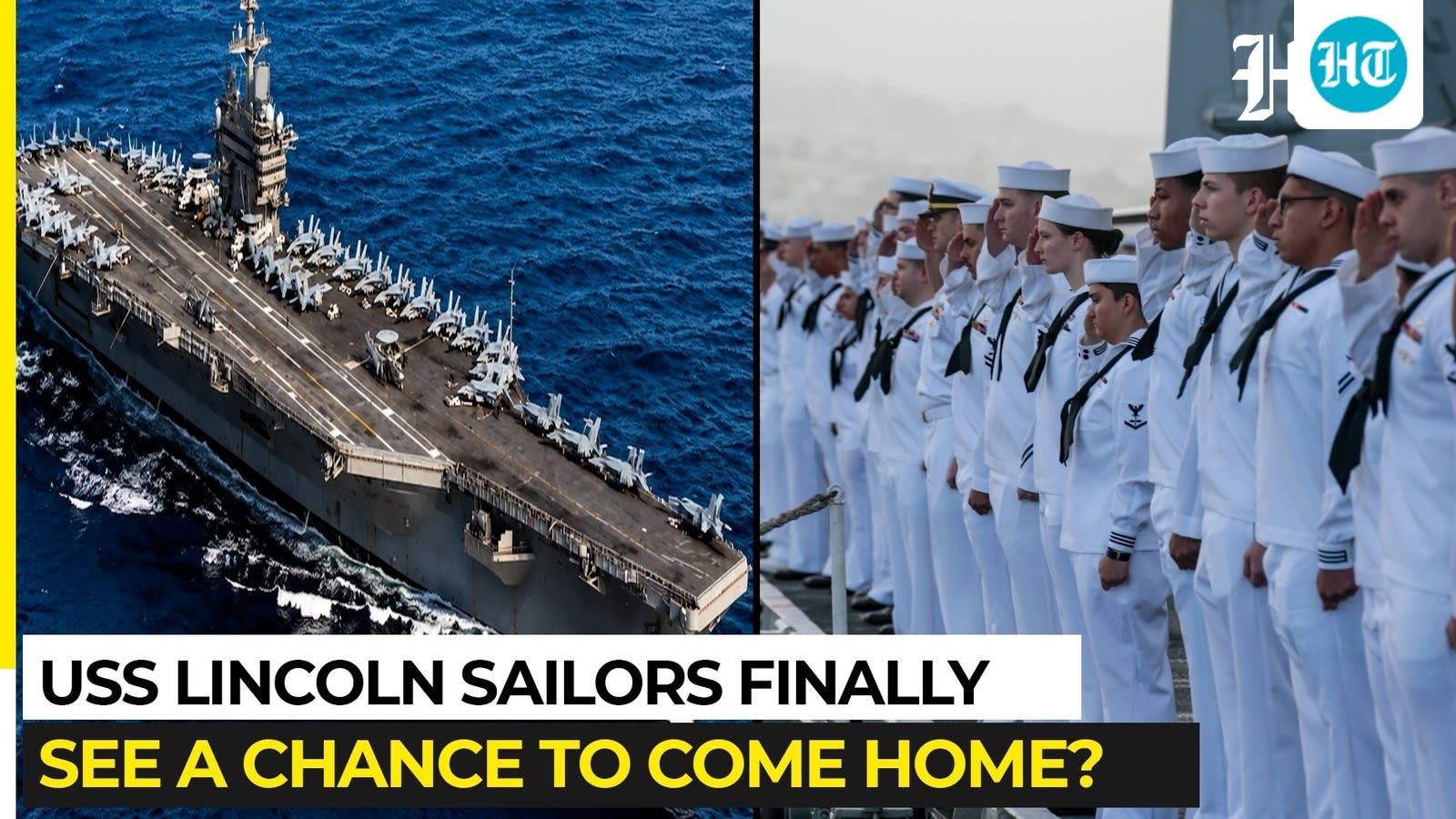
The U.S. Navy is rotating the USS George H.W. Bush into the Arabian Sea to replace the USS Abraham Lincoln. This move follows reports of sailor fatigue after a 250-day deployment, aiming to address crew welfare while maintaining regional military posture.
Strategic Naval Rotation in the Middle East
The U.S. Navy’s decision to deploy the USS George H.W. Bush to the Arabian Sea marks a critical shift in regional military operations. By replacing the USS Abraham Lincoln, the Department of Defense is addressing both the operational requirements of maintaining a carrier presence in a volatile region and the pressing need to alleviate the strain on naval personnel who have been at sea for an extended duration.
Addressing the Human Cost of Deployment
At the heart of this deployment rotation is the mounting concern regarding the welfare of the crew aboard the USS Abraham Lincoln. Having surpassed 250 days at sea, the sailors have faced significant physical and psychological fatigue. The decision to bring in a fresh carrier is a direct response to these pressures, acknowledging that the combat readiness of a crew is inextricably linked to their well-being and the duration of their time away from home port.
Operational Continuity and Deterrence
Despite the rotation, the U.S. military’s commitment to its strategic goals in the Middle East remains firm. U.S. Central Command has confirmed the presence of fighter jets operating from the Nimitz-class carrier in the region. This ensures that even during the transition period, the U.S. retains its ability to project power and maintain deterrence against potential threats, effectively managing the balance between logistical necessity and tactical readiness.
Presidential Oversight and Executive Action
President Donald Trump’s public confirmation of the carrier swap highlights the high-level attention currently being paid to naval logistics and regional security. By stating that the replacement was moving "right now or very shortly," the administration has signaled that the rotation is a priority. This executive involvement underscores the political sensitivity surrounding military deployments and the importance of managing public perception regarding the treatment of service members.
Future Trends in Carrier Operations
This event serves as a case study for the future of U.S. carrier strike group management. As global tensions fluctuate, the Navy must increasingly balance the wear and tear on its aging carrier fleet with the need for constant presence. Future trends will likely favor more efficient rotation schedules and increased focus on the maintenance of both the vessels and their crews to ensure that the U.S. can sustain long-term operations without compromising the health of its sailors.
Conclusion
The deployment of the USS George H.W. Bush is a pragmatic move that balances the exigencies of international security with the essential duty of care for naval personnel. By rotating the USS Abraham Lincoln out of active duty, the U.S. Navy is taking necessary steps to mitigate the risks associated with prolonged deployments, ensuring that its forces remain capable, alert, and supported in an increasingly complex geopolitical environment.
Verification Required?