Char Dham Helicopter Operators Threaten To Stop Services Over 2-Pilot Rule
Source Entity
NDTV News Search Records Found 1000
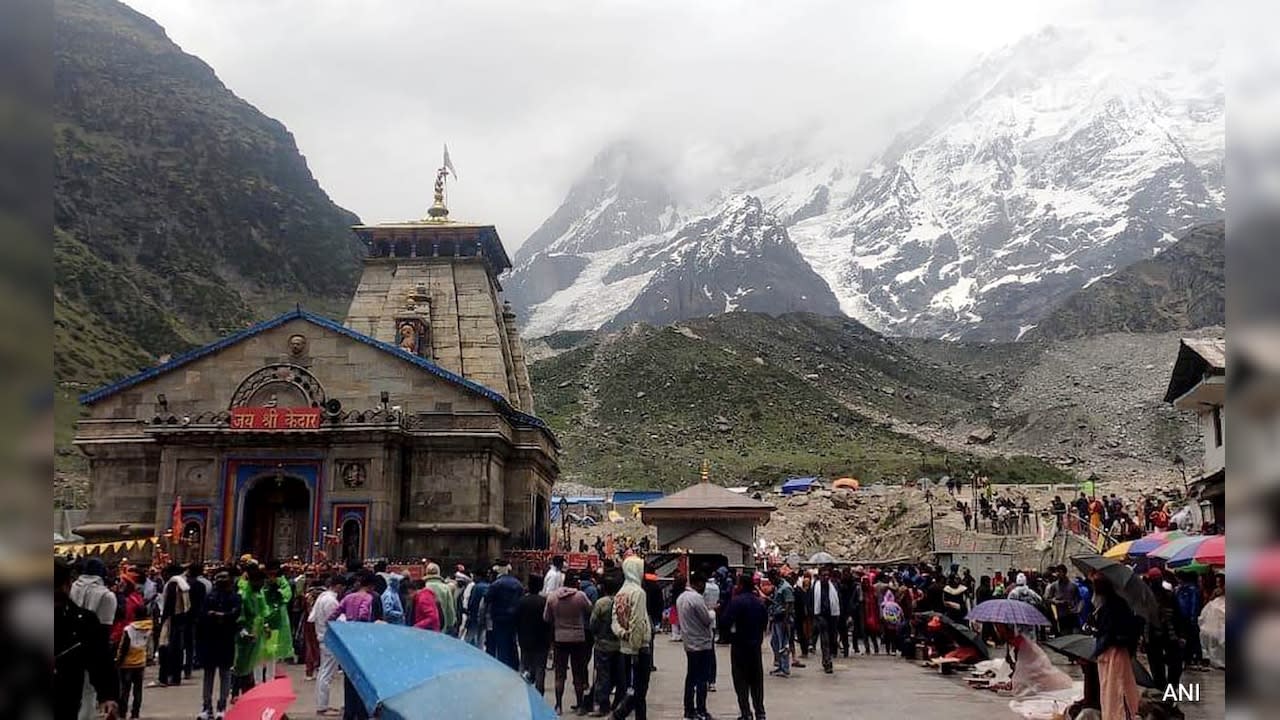
A fatal helicopter crash near Badrinath, which killed six people, has sparked a regulatory crackdown and industry backlash. Operators are threatening to suspend Char Dham flights over new mandatory twin-pilot rules, while search teams continue to struggle with recovery efforts due to treacherous terrain.
The Badrinath Tragedy: A Crisis in Aviation Safety
The recent helicopter crash near Badrinath, which claimed the lives of all six individuals on board, has cast a somber shadow over the Char Dham pilgrimage season. This incident, occurring on October 30, has triggered an immediate and intense investigation by aviation authorities. Preliminary reports suggest the tragedy was compounded by the decision to fly despite an active weather alert, raising urgent questions regarding the operational standards and safety culture prevalent among private aviation firms in the region.
Regulatory Intervention and Industry Backlash
In response to the fatal crash, the Directorate General of Civil Aviation (DGCA) has moved to mandate the presence of two pilots on all helicopters operating along the Char Dham routes, effective November 2. This policy shift is intended to mitigate human error and distribute the high workload associated with navigating complex, high-altitude Himalayan terrain. However, the industry has reacted with significant resistance. Operators argue that this mandate makes their business model economically unviable, leading to threats of a total suspension of flight services starting Monday.
The Challenge of Recovery in Treacherous Terrain
Beyond the regulatory fallout, the incident has highlighted the extreme logistical difficulties of emergency response in the Himalayas. Three days post-crash, search and recovery teams are still struggling to locate the victims' bodies. The wreckage site remains isolated, forcing teams to navigate treacherous, steep mountain paths starting from the direction of Pandukeshwar. This grueling process underscores the inherent risks involved in high-altitude aviation and the subsequent difficulty of conducting search operations in such unforgiving geography.
Allegations of Protocol Defiance
Central to the ongoing probe is whether Trans Bharat Aviation ignored explicit safety warnings issued by the Uttarakhand Civil Aviation Development Authority. Reports indicate that an 'orange alert' for bad weather was in effect at the time of the flight. If it is proven that commercial interests were prioritized over the explicit safety directives of the aviation authority, it would represent a catastrophic failure of operational oversight. This has intensified calls for stricter enforcement of flight protocols to prevent future incidents.
Broader Implications for Himalayan Aviation
This crisis reflects a long-standing tension between the demand for convenient, high-frequency air travel for pilgrims and the physical limitations imposed by the Himalayan climate. The current standoff between the DGCA and operators threatens to disrupt the connectivity of the Char Dham circuit, a vital link for thousands of pilgrims. Moving forward, authorities must balance the economic viability of these services with the non-negotiable requirement for passenger safety, likely necessitating a long-term overhaul of how commercial aviation is managed in mountainous regions.
Conclusion
The tragedy near Badrinath is a stark reminder of the volatile intersection of commercial pressure and extreme environmental conditions. As the investigation continues, the focus remains twofold: ensuring the dignified recovery of the victims and establishing a sustainable safety framework that prevents such a disaster from recurring. Whether the industry accepts the twin-pilot rule or negotiates a middle ground, the safety of pilgrims must remain the primary metric of success for aviation in Uttarakhand.
Multiple Citing Sources
Verification Required?