Valve says it might have to raise the price of supply-limited Steam Machines
Source Entity
Kyle Orland
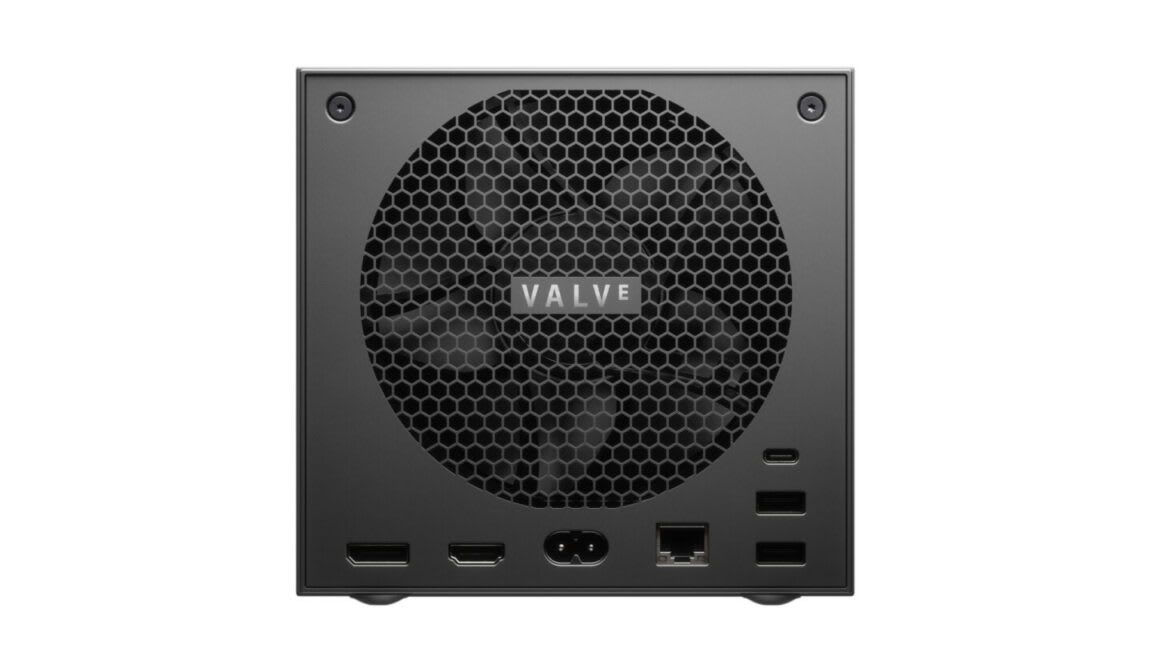
Valve has announced that persistent supply chain constraints for RAM and storage components may force price increases for upcoming Steam Machines. The company warned that production volume and costs remain uncertain, particularly for the 2TB model.
The Supply Chain Challenges Facing Valve's Steam Machines
Valve’s recent announcement regarding the future of its Steam Machine hardware marks a significant inflection point for the company’s ambitious foray into living-room gaming. After the initial batch of units began shipping in June, it became clear that Valve was struggling with a volatile component market. The company has officially acknowledged that it is producing fewer units than originally forecasted, citing a critical inability to secure essential RAM and storage components at sustainable price points.
The Impact of Component Scarcity
The semiconductor and memory industries have long been subject to cyclical supply shortages, but Valve’s situation highlights the precarious nature of hardware manufacturing for companies that do not rely on massive, pre-existing supply chains. By failing to secure these components at a reasonable cost, Valve is now forced to pass those inflationary pressures onto the consumer. This creates a difficult dilemma: maintain the original price point at the cost of profitability, or raise prices and risk alienating a consumer base that was initially drawn to the concept of an accessible PC-gaming console alternative.
Uncertainty for Future Production
Valve’s blog post explicitly stated that the supply and cost issues regarding memory and storage are expected to persist into the foreseeable future. This lack of visibility into the supply chain means the company cannot provide a concrete roadmap for production volume or retail pricing. For potential buyers, this creates a landscape of uncertainty where the availability of hardware is no longer a given, and the "value proposition" of the platform is effectively being recalibrated in real-time.
The 2TB Model and Market Constraints
Of particular concern is the high-capacity 2TB model, which Valve noted will be especially constrained. High-density storage solutions are often the first to be impacted during periods of component scarcity, as they require specialized NAND flash memory that is in high demand across the broader tech sector, including in the smartphone and enterprise server markets. This suggests that Valve is competing with much larger entities for limited inventory, putting them at a distinct disadvantage in terms of procurement leverage.
Broader Implications for Hardware Strategy
This ongoing struggle serves as a case study for software-centric companies attempting to pivot into hardware manufacturing. While Valve has excelled at digital distribution through Steam, hardware requires a level of supply chain resilience that is difficult to cultivate overnight. If Valve is forced to raise prices, it may dampen the adoption rate of Steam Machines, potentially impacting the ecosystem that the company hoped to cultivate in the living room.
Looking Ahead
As Valve continues to navigate these market pressures, the company’s ability to communicate transparently with its community will be vital. While the short-term outlook remains difficult due to rising memory costs, the long-term viability of the Steam Machine project hinges on whether they can eventually stabilize their supply chain or if they will be forced to adjust their business model entirely to account for these persistent, unprecedented component costs.