When the mantra of Vande Mataram lit the fire of freedom in Nizam’s territory
Source Entity
India Latest News: Top National Headlines Today & Breaking News | The Hindu
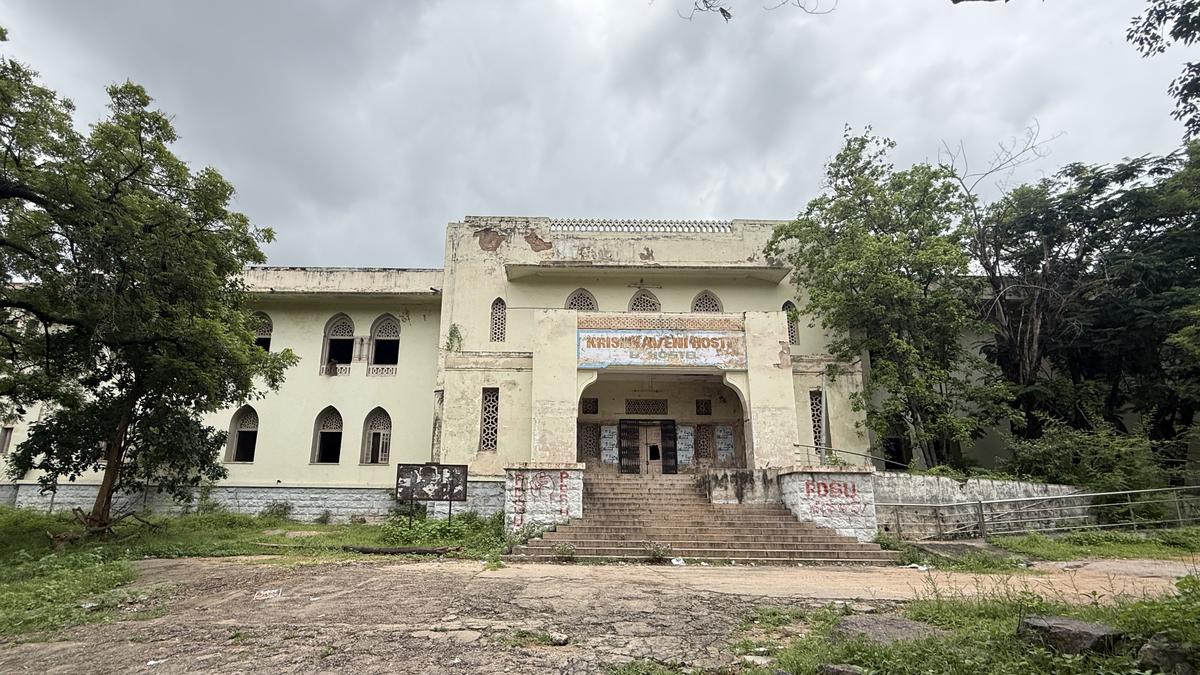
The Vande Mataram movement at Osmania University in 1938 represents a pivotal moment of resistance against the Nizam's administration. Students used the song as a tool for patriotic mobilization, sparking a conflict that remains a key part of the region's historical identity.
The Echoes of Resistance: Vande Mataram in Nizam’s Territory
The history of the freedom struggle in the Hyderabad State is often defined by the quiet yet resolute defiance of its youth. In the winter of 1938, the corridors of Osmania University—specifically the 'A' and 'B' hostels—became the epicenter of a cultural and political firestorm. While the architecture of these buildings was designed to foster academic growth, they quickly transformed into bastions of anti-colonial sentiment, where the singing of Vande Mataram became a defiant act against the restrictive policies of the Nizam’s government.
The Symbolic Power of a Song
For the students of the era, Vande Mataram was far more than a musical composition; it was a 'mantra' of liberation. While the Nizam’s administration attempted to categorize the act as a religious provocation, the students utilized it as a unifying force to fuel the fire of patriotism. By singing the song, the youth were essentially asserting their identity as Indians within a state that sought to suppress nationalist expression, effectively challenging the administrative hegemony of the time.
Architectural Decay and Historical Memory
Today, the physical state of the 'A' and 'B' hostels serves as a stark metaphor for the fading memory of this struggle. With doors boarded up and structures crumbling under the weight of time, these sites are now relegated to the periphery of modern consciousness. The presence of portraits of Indian Social Revolutionaries—such as Gautam Buddha, Jyotirao Phule, and Ambedkar—inside the 'B' Hostel highlights the ideological breadth of the students who once resided there, moving beyond simple nationalism into the realm of social reform.
The Conflict of Ideologies
Historically, the presence of religious imagery like portraits of Rama and Krishna in prayer halls contrasted sharply with the administration's crackdown on the Vande Mataram movement. This duality illustrates the tension between the students' desire to integrate their cultural heritage with the broader Indian national movement and the Nizam's government’s rigid attempts to maintain control over public displays of patriotism. The administration’s refusal to permit the song highlights how deeply threatened they were by the potential for organized, collective dissent.
Broader Implications and Legacy
The 1938 protest was not merely a localized event but a microcosm of the larger struggle for integration and liberty in Hyderabad. By identifying the song as a threat, the Nizam’s government inadvertently validated the students' conviction that they were part of a larger, nation-wide movement. As we look at the ruins of these historic hostels, we are reminded that the fight for freedom was built on the courage of individuals who risked their academic futures to assert their national identity against an entrenched and hostile power structure.
Verification Required?