Varanasi to get two elevated highway corridors as Cabinet clears projects worth Rs 25,446 crore to ease congestion
Source Entity
Dheeraj Mishra
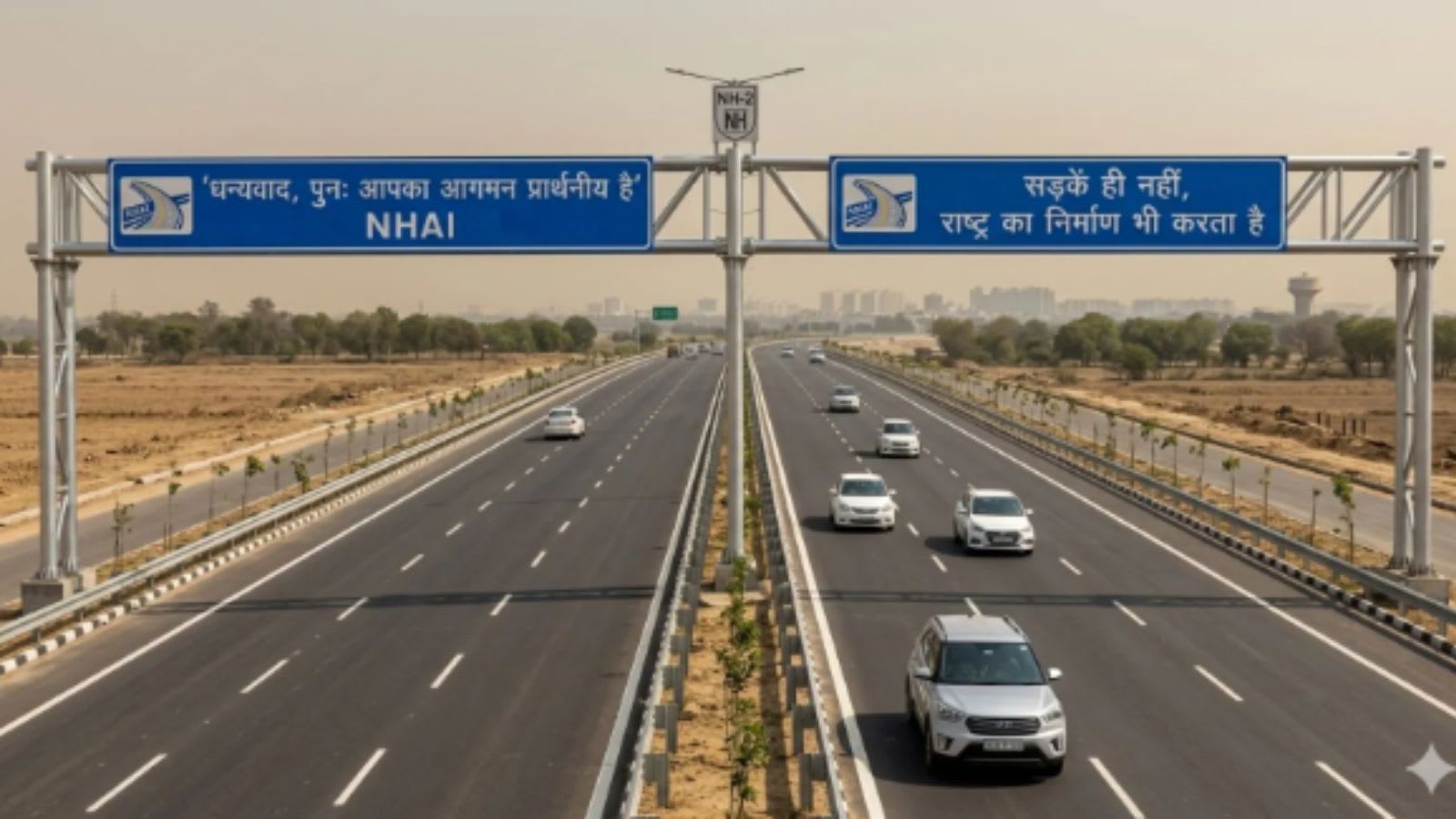
The Union Cabinet has approved the construction of two elevated highway corridors in Varanasi, valued at Rs 25,446 crore, aimed at reducing traffic congestion along the Varuna and Ganga rivers.
Transforming Varanasi's Urban Mobility: A Strategic Infrastructure Leap
In a significant move to modernize the infrastructure of one of the world's oldest inhabited cities, the Union Cabinet has officially sanctioned the development of two massive elevated highway corridors in Varanasi. With a staggering investment of Rs 25,446 crore, these projects are designed to address the chronic traffic congestion that has long plagued the city's narrow arteries. By constructing corridors along the Varuna and Ganga rivers, the government aims to decouple transit traffic from local city traffic, thereby streamlining movement for both residents and the millions of pilgrims who visit the holy city annually.
Addressing the Crisis of Urban Congestion
Varanasi's unique urban geography, characterized by dense settlements and ancient, narrow lanes, makes traditional road widening nearly impossible without large-scale demolition of heritage structures. The decision to opt for elevated corridors is a strategic engineering response to these constraints. By utilizing the river-adjacent areas of the Varuna and Ganga, the project minimizes the displacement of residents while creating high-speed transit channels. This approach is critical for a city that serves as a primary spiritual hub, where the influx of tourists often overwhelms the existing road network, leading to severe bottlenecks and economic inefficiency.
Economic Implications and Tourism Growth
The financial magnitude of this project—exceeding Rs 25,000 crore—signals a deep commitment to transforming Varanasi into a modern urban center without sacrificing its spiritual essence. From an economic perspective, improved connectivity is expected to catalyze local trade and boost the tourism sector. Reduced travel times will make the city more accessible, encouraging longer stays and higher spending by visitors. Furthermore, the construction phase itself will likely generate significant local employment and stimulate the regional economy through the demand for materials and skilled labor.
Environmental and Engineering Challenges
Building massive concrete structures along the banks of the Ganga and Varuna rivers presents complex environmental and engineering hurdles. The project must navigate the delicate balance between infrastructure development and the preservation of the river ecosystems. Expert planning will be required to ensure that the elevated pillars do not interfere with the natural flow of the rivers or exacerbate flood risks during the monsoon season. The integration of these corridors into the existing city fabric will require precise urban planning to ensure that the entry and exit points do not create new congestion zones at the ground level.
Alignment with National Infrastructure Goals
This initiative does not exist in isolation but is part of a broader national strategy to enhance connectivity through projects like the PM Gati Shakti National Master Plan. By prioritizing high-capacity corridors in high-density cities like Varanasi, the government is attempting to create a blueprint for 'smart' urban evolution in heritage cities. The focus on riverfront corridors suggests a trend toward utilizing underused geographical strips to create efficient transit loops, a model that could potentially be replicated in other river-based ancient cities across India.
Conclusion: A New Era for the Holy City
Ultimately, the approval of these elevated corridors represents a pivotal shift in Varanasi's urban trajectory. While the project is primarily a solution to traffic congestion, its broader impact will be felt in the improved quality of life for citizens and a more seamless experience for pilgrims. If executed with precision and environmental sensitivity, this Rs 25,446 crore investment will not only ease the daily commute but will also reinforce Varanasi's position as a globally accessible spiritual destination, blending ancient tradition with 21st-century infrastructure.