F1 in Singapore: There's a new fastest car now
Source Entity
Jonathan M. Gitlin
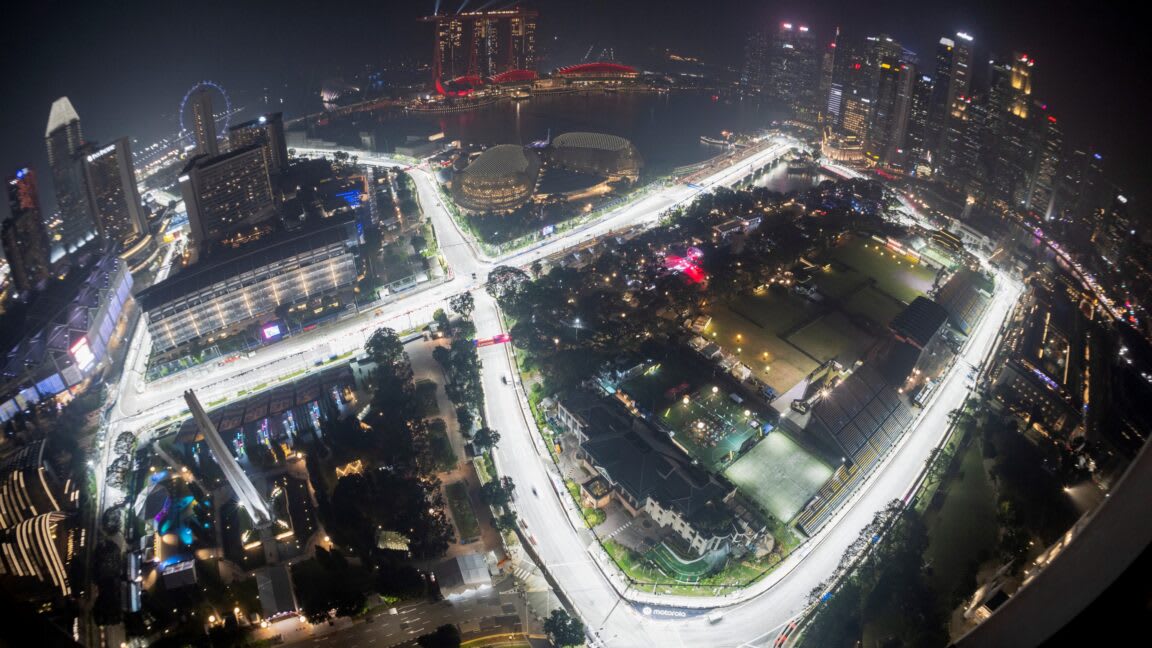
Max Verstappen has secured pole position at the Singapore Grand Prix following significant upgrades to his Red Bull vehicle. Despite the challenges of wet weather racing, Verstappen remains focused on securing a formal Grand Prix victory.
The Shift in Formula 1 Performance Dynamics
Recent developments at the Singapore Grand Prix have signaled a pivotal shift in the competitive landscape of Formula 1. Following a highly competitive sprint race that introduced the season's first significant wet-weather conditions, the narrative surrounding the grid's hierarchy has evolved. Max Verstappen, piloting his newly upgraded Red Bull, has emerged as a dominant force, setting a pace that suggests his vehicle may now be the fastest on the circuit.
The Engineering Edge
The technical evolution of the Red Bull car is central to this performance spike. While the team’s hybrid system has historically been a point of debate, the power unit currently boasts the strongest V6 engine in the field. When paired with recent aerodynamic and chassis updates, the car has achieved a new level of equilibrium. This technical synergy allows Verstappen to exploit the car's potential more effectively than his rivals, effectively bridging the gap between raw power and tactical precision.
Qualifying Dominance and Strategy
Verstappen's performance in the qualifying session serves as a testament to his adaptability. Despite his public insistence on focusing on the race outcome rather than the sprint results, he successfully secured pole position. By positioning himself ahead of the Ferrari duo of Charles Leclerc and the Mercedes of Lewis Hamilton, he has established a strategic buffer that will be vital for the upcoming race. This achievement underscores the importance of qualifying in the tight, technical streets of Singapore, where overtaking opportunities are notoriously scarce.
The Challenge of Wet-Weather Racing
The introduction of wet conditions during the sprint race acted as a stress test for both the drivers and their upgraded machinery. Wet racing inherently neutralizes some of the mechanical advantages by placing a higher premium on driver intuition and tire management. That Verstappen navigated these conditions successfully before transitioning to a dry-track qualifying dominance speaks volumes about the maturity of both his driving style and the Red Bull development program.
Broader Implications and Future Outlook
As the season progresses, the performance gap between Red Bull and its closest competitors, Ferrari and Mercedes, appears to be widening. If the current trend holds, the remaining races will likely be defined by whether other teams can find compensatory gains in their own power units or aerodynamic packages. The upcoming Grand Prix will be a crucial indicator of whether Red Bull’s current lead is a temporary advantage or a sustained shift in the sport's competitive hierarchy.
Conclusion
Max Verstappen’s recent performance in Singapore confirms his status as the driver to beat, supported by a vehicle that is increasingly difficult to match. With pole position secured and a potent V6 power unit at his disposal, the pressure is now on his rivals to innovate rapidly. As the championship fight intensifies, the combination of technical refinement and elite driving skill remains the deciding factor in modern Formula 1.