Viral video appears to show 'pterodactyl' flying over Mexico, palaeontologist debunks claim
Source Entity
Latest News: Todays Latest News Headlines from India & World | Hindustan Times
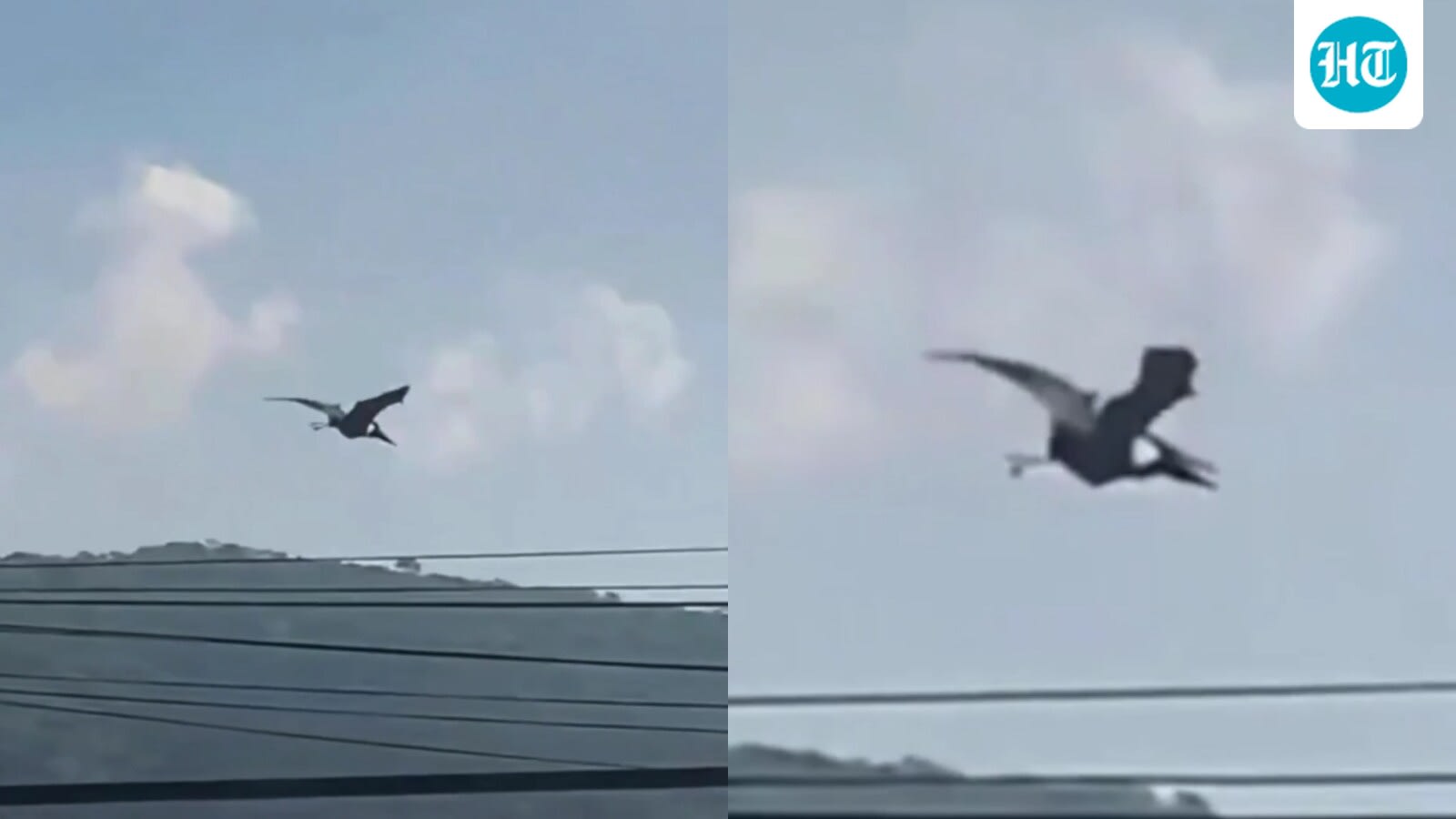
A viral video claiming to show a pterodactyl in Mexico has been debunked by experts as a digital fabrication. The footage highlights how modern visual effects can easily fuel online misinformation regarding prehistoric creatures.
The Viral Mirage: Analyzing the 'Mexican Pterodactyl' Hoax
The Anatomy of a Digital Fabrication
Recently, social media platforms were flooded with footage purportedly captured near Ciudad Juárez in Mexico’s Chihuahua state, showcasing a massive, dark-winged creature soaring through the clouds. The video, which gained significant traction on platforms like X, drew immediate comparisons to the pterosaurs popularized by the Jurassic Park film franchise. However, the scientific community has moved quickly to label the footage as a digital fabrication, citing clear inconsistencies in the creature’s movement and physical rendering that do not align with known biological constraints.
Scientific Dissection of the Claims
Expert palaeontologists have systematically dismantled the authenticity of the video, pointing to the biomechanical impossibilities presented in the footage. Real pterosaurs—the prehistoric flying reptiles that dominated the skies during the Mesozoic Era—did not possess the flight dynamics or anatomical fluidity seen in the viral clip. By analyzing the wing structure and the creature's interaction with the environment, experts concluded that the video is a product of modern CGI rather than a genuine biological discovery, effectively ending the speculation that a prehistoric species had survived into the modern era.
The Intersection of Pop Culture and Misinformation
This event serves as a classic example of how pop culture influences public perception of paleontology. The fascination with dinosaurs and prehistoric life, heavily curated by Hollywood, often leads to a blurring of lines between cinematic entertainment and scientific reality. When viral videos leverage the visual language of blockbuster films, they tap into a collective desire for the extraordinary, making it easier for misinformation to spread rapidly before experts can provide a grounded analysis.
Broader Implications for Digital Literacy
In an age where high-quality video editing software is accessible to the general public, the threshold for creating convincing hoaxes has lowered significantly. The 'Mexican Pterodactyl' incident is not merely a niche internet curiosity; it is a case study in the necessity of media literacy. As users consume content, the rapid spread of such videos underscores the importance of cross-referencing viral claims with peer-reviewed scientific consensus or expert commentary from the relevant fields.
Market Value vs. Scientific Reality
Interestingly, the viral nature of this hoax coincided with record-breaking interest in genuine paleontology, highlighted by the recent $47.3 million sale of a Nanotyrannus skeleton in New York. While the market for rare fossils continues to reach unprecedented heights, the distinction between authentic scientific discovery and digital trickery remains vital. The public's appetite for prehistoric wonders is clearly voracious, but as this incident proves, that enthusiasm must be tempered by rigorous scientific scrutiny to ensure that our understanding of natural history remains rooted in fact rather than digital fantasy.
Verification Required?