Virat Kohli’s intensity has a ripple effect on India teammates, reveals ex-India coach
Source Entity
Latest News: Todays Latest News Headlines from India & World | Hindustan Times | Hindustan Times
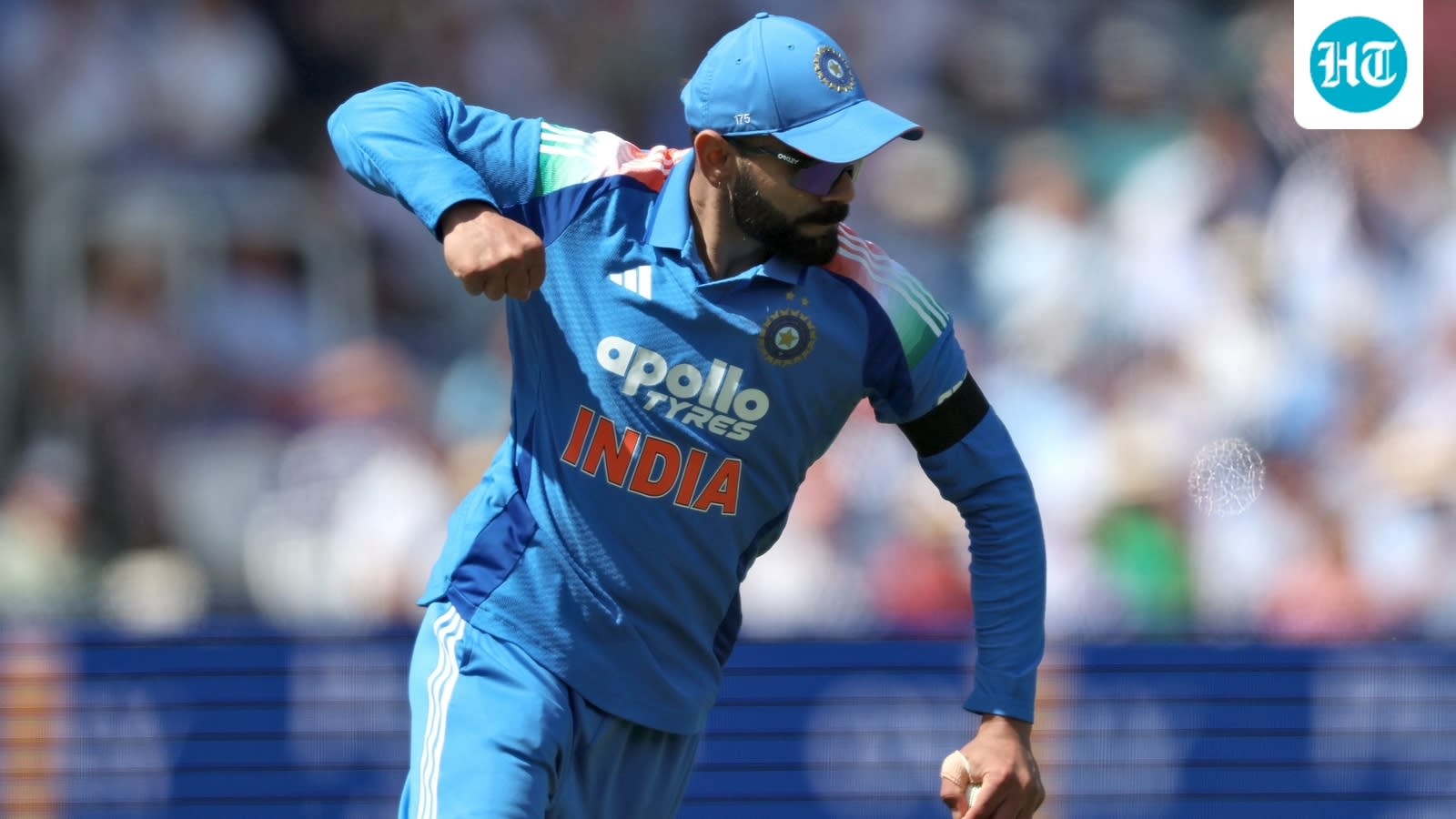
Former fielding coach T Dilip has praised Virat Kohli's relentless intensity and fitness standards, citing them as a benchmark for his teammates. Amid a growing injury crisis within the Indian cricket team, experts are calling for a return to the rigorous fitness protocols established during the Kohli-Shastri era.
The Gold Standard: Virat Kohli’s Enduring Impact on Indian Cricket
A Legacy of Non-Negotiable Intensity
Former India fielding coach T Dilip has recently shed light on what makes Virat Kohli a unique entity in international cricket: his uncompromising intensity. According to Dilip, Kohli’s commitment is not merely reactive—triggered only when the ball comes his way—but proactive. Whether it is backing up throws at the non-striker’s end or maintaining sharp reflexes in the powerplay, Kohli’s work ethic remains a constant. For the 37-year-old veteran, intensity is described as "non-negotiable," a philosophy that has defined his illustrious career and continues to set the bar for every player who shares the field with him.
The Ripple Effect on Teammates
Beyond his individual statistics, Kohli’s influence on the Indian setup is systemic. His relentless approach to fitness and fielding serves as a blueprint for younger players transitioning into the international arena. By consistently demonstrating high standards, Kohli creates a culture of accountability. His presence forces teammates to elevate their own game, effectively acting as an on-field mentor whose energy acts as a catalyst for the squad’s collective performance. This "ripple effect" is widely regarded as one of his most significant contributions to Indian cricket over the last decade.
Confronting the Current Injury Crisis
Currently, the Indian cricket team is grappling with a significant injury crisis that has sidelined several key players. From stars like Jasprit Bumrah, managing knee swelling, to younger talents like Sai Sudharsan, Harshit Rana, and Nitish Kumar Reddy, the depth of the squad is being severely tested. With additional concerns surrounding long-term absentees like Akash Deep and white-ball specialists such as Hardik Pandya and Varun Chakravarthy, the current state of player health has become a focal point of national discussion.
A Call for Structural Reform
In response to these recurring fitness challenges, there is a growing chorus of voices, including former players like Wasim Jaffer, calling for a return to the rigorous standards of the Virat Kohli-Ravi Shastri era. During that period, the team prioritized physical conditioning as a fundamental requirement for selection. The current situation suggests that those high-intensity protocols may need to be strictly reinstated to ensure that players are physically resilient enough to withstand the grueling demands of the international calendar.
Future Trends and Outlook
The reliance on the Centre of Excellence to manage rehabilitation for various hamstring, quadriceps, and stress-related injuries highlights the physical toll of modern cricket. Moving forward, the BCCI is expected to place an even greater emphasis on workload management and strict fitness testing. Kohli’s continued dedication serves as the ultimate proof-of-concept for this approach; as he continues to thrive, his example will likely remain the gold standard against which the fitness of the next generation of Indian cricketers is measured.
Verification Required?