Wall Street's fear gauge is surging again and this time it's not just about AI jitters
Source Entity
US Top News and Analysis
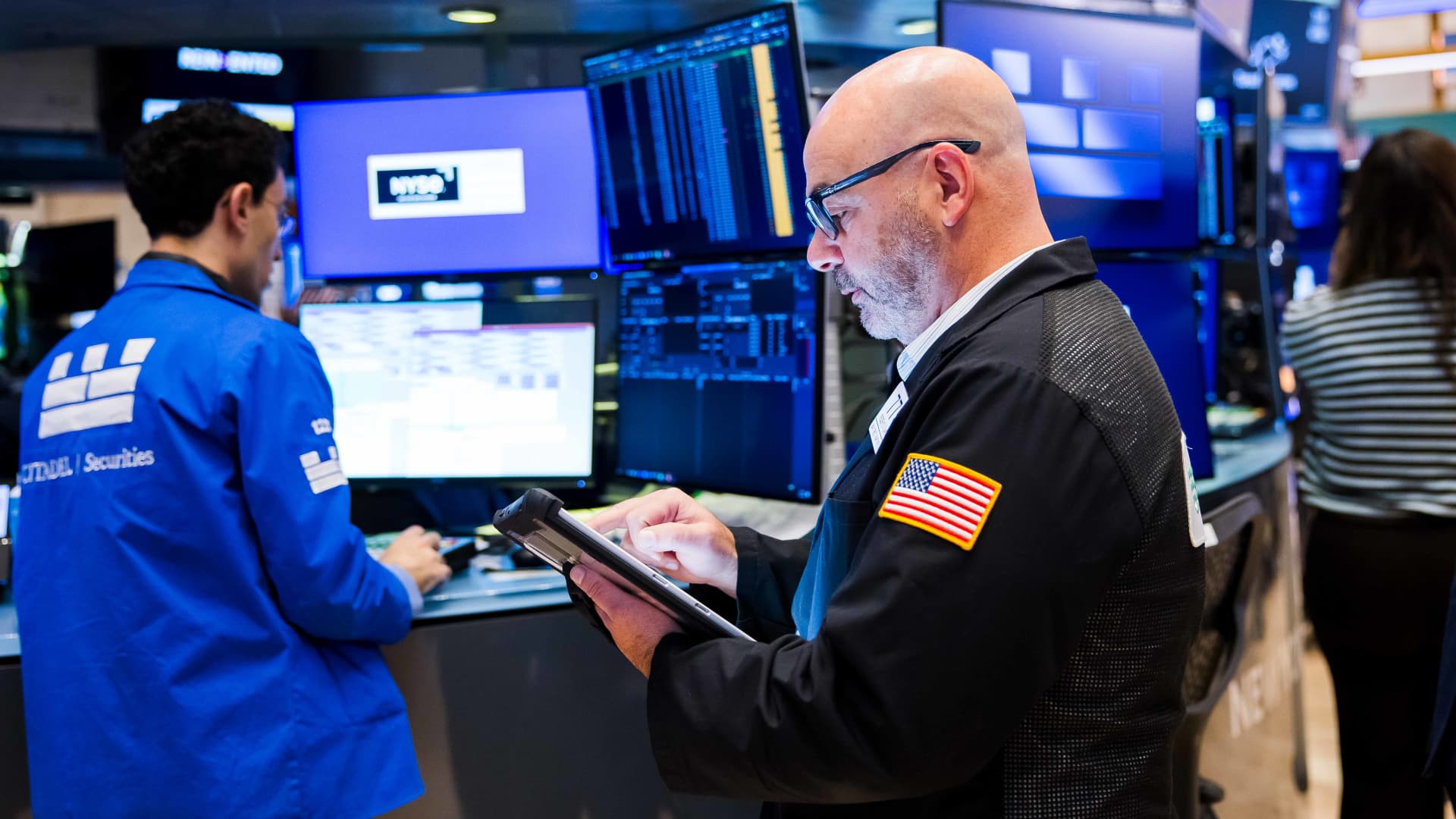
The Cboe Volatility Index (VIX) has surged to levels unseen since April as investors aggressively hedge against broader market instability. This shift reflects growing anxiety beyond AI sector concerns, signaled by a significant spike in protective put option volumes.
Market Volatility Reaches New Heights
The financial landscape is currently undergoing a period of intense turbulence as the Cboe Volatility Index (VIX), often referred to as Wall Street's 'fear gauge,' has experienced a sustained four-day climb. Reaching a high of 27.7 during Tuesday’s trading session, the index has effectively signaled that investor sentiment has shifted from cautious optimism to active hedging. This elevation in volatility marks the most significant sustained period of market anxiety observed since April, indicating that the current selling pressure is not merely a localized event but a broader systemic reaction.
Beyond AI: A Multi-Faceted Sell-Off
While recent market narratives have been dominated by the meteoric rise and subsequent jitters surrounding Artificial Intelligence, the current market behavior suggests a diversification of risk. Traders are moving beyond concerns regarding Nvidia’s earnings or the IPO of Anthropic. Instead, the market is grappling with a confluence of pressures, including nationwide tech outages that have disrupted daily operations and broader macroeconomic uncertainty. The shift indicates that participants are no longer just hedging against a sector-specific AI correction, but are preparing for a more comprehensive market downturn.
The Mechanics of Market Fear
Evidence of this heightened caution is clearly visible in the derivatives market. According to Barchart data, the ratio of put to call volumes on the SPDR S&P 500 ETF (SPY) reached 1.5—the highest level recorded since the first week of April. A put-to-call ratio at this level is a definitive indicator of bearish sentiment, as institutional investors and traders alike rush to purchase protective put options to limit potential losses on their equity holdings. This defensive positioning is a direct response to the S&P 500 slipping below key technical support levels, currently trading under 7,300.
Sustained Volatility and Technical Breakdowns
Perhaps the most concerning aspect for market analysts is the persistence of this volatility. The VIX has not traded under 16 since October 16, and its current trajectory shows a clear trend upward. When a volatility index remains elevated for multiple consecutive days, it suggests that the market is struggling to find a new equilibrium. As the S&P 500 tests new lows for the month, the inability of the index to stabilize suggests that the 'buy-the-dip' mentality that defined much of the previous year is currently being replaced by a 'sell-the-rally' approach.
Implications for Future Market Stability
Looking ahead, the combination of technical breakdowns and heightened option hedging suggests a difficult path forward for equity benchmarks. The current surge in the VIX indicates that market participants are expecting continued, if not increased, price swings in the near term. Unless macroeconomic indicators or corporate earnings reports provide a catalyst for renewed confidence, the current trend of protective hedging is likely to persist, keeping the S&P 500 under significant downward pressure. Investors are now forced to navigate a market environment that is increasingly sensitive to both systemic shocks and idiosyncratic risks.