The Waltons Are Moving Billions to the Next Generation Through a Trust Named After Jackie Kennedy’s Will. It Pays Charity First, the Heirs Second, and the IRS Close to Nothing
Source Entity
Yahoo Finance
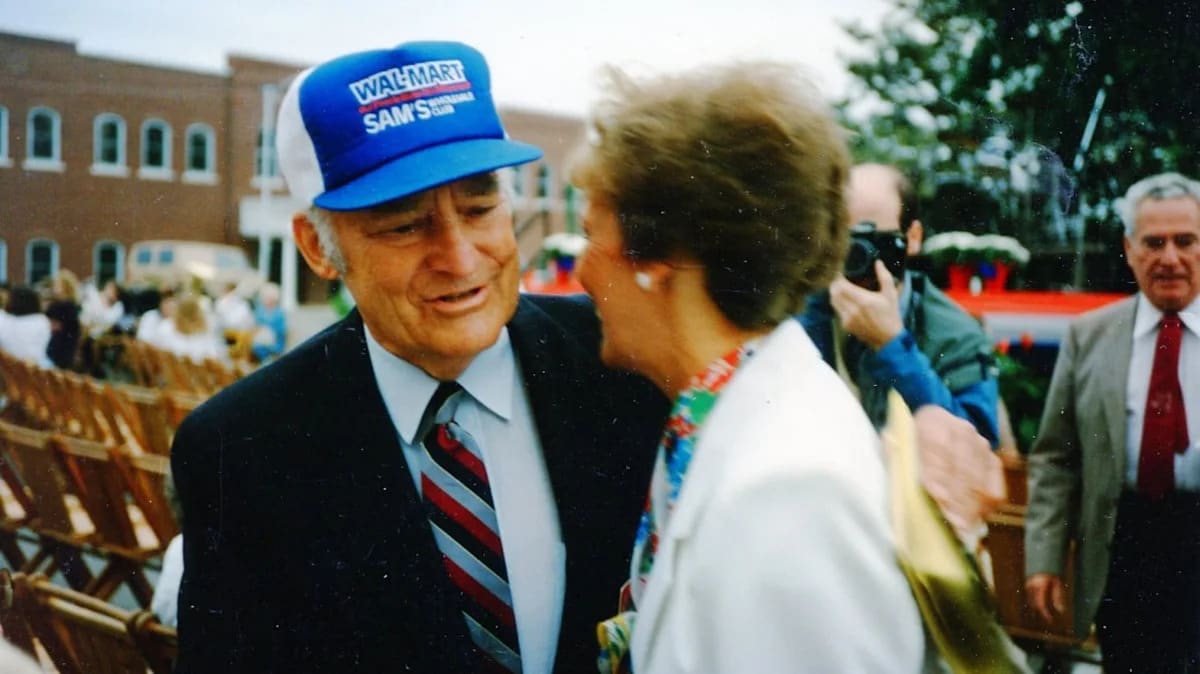
The Walton family is utilizing a specialized trust strategy to transfer wealth to heirs while minimizing estate taxes. By leveraging the IRS section 7520 rate, the trust allows asset growth beyond a set benchmark to pass tax-free to the next generation.
The Walton Wealth Transfer Strategy: A Masterclass in Estate Planning
The Walton family, founders of Walmart, are utilizing sophisticated financial instruments to manage the generational transfer of their massive fortune. Central to this strategy is the use of a trust structure, often associated with historical precedents like the Jackie Kennedy will, which prioritizes charitable contributions before distributing assets to heirs. This mechanism is designed to satisfy the complexities of the U.S. tax code while ensuring that the bulk of the family wealth remains intact for future generations.
Mechanics of the Section 7520 Rate
At the core of this strategy lies the application of the IRS section 7520 rate. When the trust is funded, the assets are valued at a specific point in time based on this government-mandated rate. This valuation is critical because it creates a benchmark for the trust's performance. The genius of this financial maneuver is that any growth the assets generate above this assumed rate is effectively shielded from further gift or estate taxes.
Betting on Market Performance
Essentially, the strategy functions as a high-stakes bet against the IRS. By placing assets into a trust, the grantor is betting that their investments will outperform the government’s conservative assumptions. If the assets grow significantly faster than the section 7520 rate, that excess appreciation passes to the heirs entirely untaxed. It is a powerful tool for wealth preservation that turns federal interest rate benchmarks into a strategic advantage for the ultra-wealthy.
Balancing Charity and Inheritance
These trusts are structured to serve dual purposes: philanthropy and legacy preservation. By paying out to charity first, the trust structure aligns with high-net-worth philanthropic goals while simultaneously lowering the taxable burden of the estate. This structure is a hallmark of sophisticated wealth management, where charitable giving is not merely an altruistic act but a core component of a broader, tax-efficient financial architecture.
Broad Implications for Wealth Management
While strategies like these are commonly associated with billionaire families, they highlight the broader trend of how the wealthy navigate retirement and estate planning. The focus is increasingly on generating lasting income that survives the grantor while minimizing the "leakage" of capital to federal authorities. For those with significant assets, such as the $1,000,000 threshold often cited by financial institutions, these mechanisms represent the pinnacle of long-term financial security.
Conclusion
The Walton family’s approach serves as a case study in the intersection of tax law, investment strategy, and generational wealth planning. By leveraging the specific mechanics of IRS valuation, they ensure that the family legacy is not eroded by estate taxes. As financial regulations continue to evolve, the use of such trusts remains a primary method for maintaining economic influence across decades, proving that in the world of high finance, the structure of an asset is often as important as the asset itself.