How will stocks perform when the Fed chair speaks at Jackson Hole? Here’s what history tells us.
Source Entity
Joy Wiltermuth
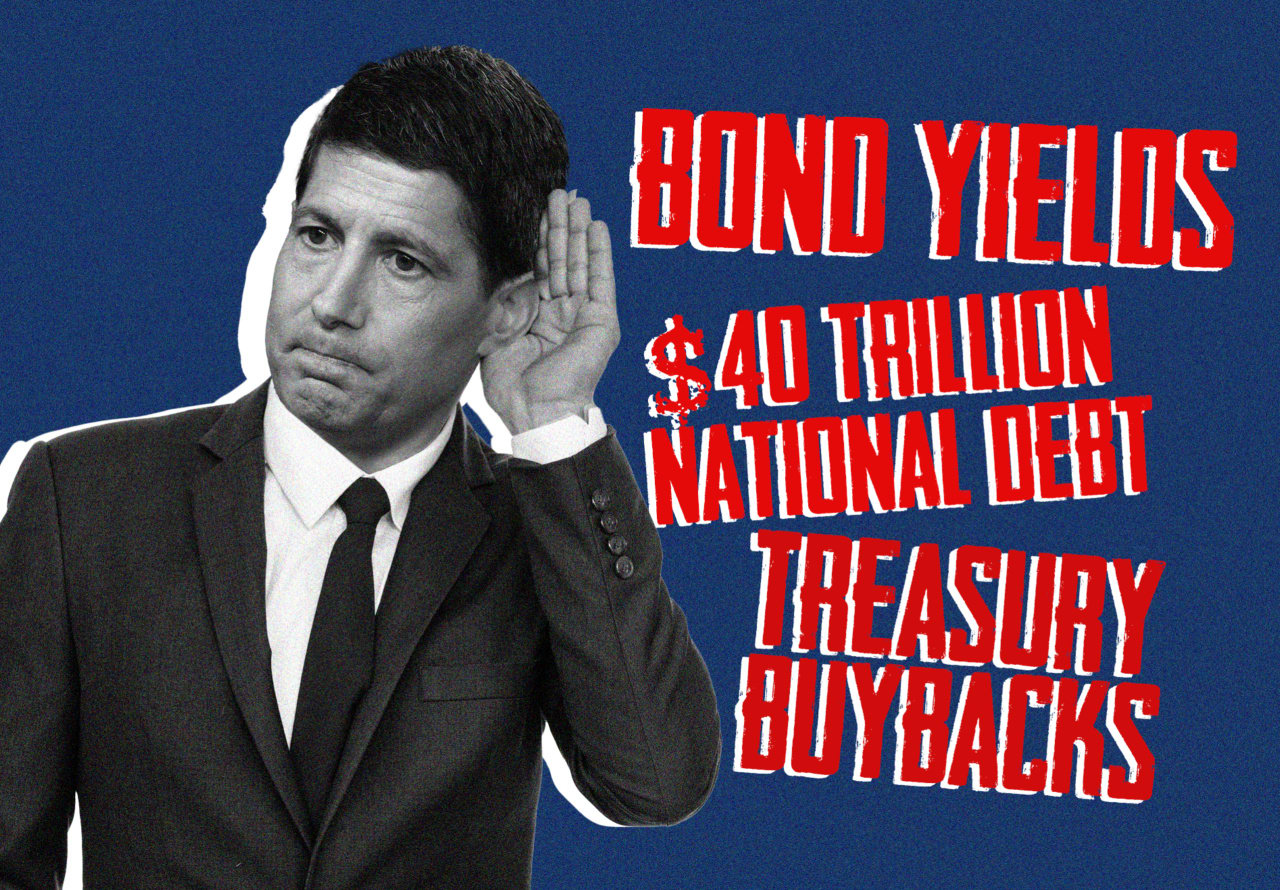
Federal Reserve Chair Kevin Warsh faces a pivotal moment at the Jackson Hole symposium as he seeks to gain credibility with investors and colleagues. His approach contrasts with Treasury Secretary Scott Bessent, highlighting a significant divide in U.S. financial policy.
The Jackson Hole Moment: Kevin Warsh’s Credibility Test
As the financial world turns its attention to the annual Jackson Hole symposium, all eyes are on the Federal Reserve Chair, Kevin Warsh. The event serves as a critical juncture for Warsh, who is currently navigating a period of skepticism from both his fellow central bankers and the broader financial markets. The primary tension stems from concerns regarding his specific strategy for curbing inflation and the perceived influence of his ties to the White House on central bank independence.
A Divergence in Financial Philosophy
At the core of the current policy debate is a fundamental disagreement between Warsh and U.S. Treasury Secretary Scott Bessent regarding the 'price of money.' While the Federal Reserve traditionally seeks to maintain a level of distance from market volatility, Warsh has proposed a departure from established communication protocols. He advocates for a more hands-off approach, suggesting that financial markets should be allowed to perform more of the 'heavy lifting' in setting interest rate expectations, rather than relying solely on explicit forward guidance from the Fed.
The Treasury’s Interventionist Stance
Conversely, Secretary Bessent has adopted a more interventionist strategy. By deploying unusual tools—such as the decision to double the size of quarterly repurchases of longer-dated bonds—the Treasury is attempting to mitigate the rise in borrowing costs directly. This strategy highlights a clash of ideologies: the Fed’s preference for market-led discipline versus the Treasury’s proactive efforts to stabilize market functions amidst high borrowing costs.
Fiscal Realities and Market Skepticism
Analysts and portfolio managers remain highly skeptical of the current administration's ability to contain long-term borrowing costs through these mechanisms alone. The consensus among market participants is that these measures are unlikely to succeed without a concrete, structural plan to address the sprawling U.S. fiscal deficit. Without addressing the underlying fiscal imbalance, the tug-of-war between the Treasury’s interventions and the Fed’s monetary stance may exacerbate market uncertainty.
Implications for Future Policy
The upcoming speech at Jackson Hole is not merely a routine update; it is a test of whether Warsh can assert his independence and set a clear, coherent path for the Federal Reserve. Investors are specifically looking for clues on how the Fed intends to leverage higher Treasury yields to assist in tightening financial conditions. Should Warsh fail to provide clarity or appear too aligned with White House objectives, it could lead to increased volatility in the dollar and bond markets.
Conclusion: A Balancing Act
The friction between Warsh’s communication style and Bessent’s fiscal maneuvers represents a significant inflection point for U.S. economic policy. As the dollar remains sensitive to these shifting signals, the Jackson Hole symposium will likely serve as the definitive stage where these opposing strategies are either reconciled or further polarized. Ultimately, the success of the U.S. economic outlook remains tethered to the Fed’s ability to navigate these divergent pressures while maintaining market trust.
Multiple Citing Sources
Verification Required?