Team India ‘got carried away with media hype’ around Vaibhav Sooryavanshi: ‘They rushed his inclusion’
Source Entity
Latest News: Today's Latest News Headlines from India & World | Hindustan Times | Hindustan Times
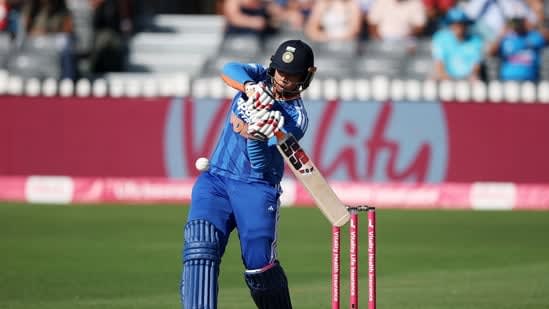
Wasim Jaffer believes the Indian management erred in judgment when it came to picking Vaibhav Sooryavanshi in the playing XI.
The Perils of Prodigy: Analyzing the Rushed Inclusion of Vaibhav Sooryavanshi
The discourse surrounding Indian cricket has recently been ignited by comments from former opener Wasim Jaffer, who has voiced strong concerns regarding the selection of Vaibhav Sooryavanshi. Jaffer’s critique centers on a recurring theme in modern sports: the tension between raw talent and developmental readiness. By suggesting that the Indian management "got carried away with media hype," Jaffer highlights a precarious trend where the narrative surrounding a player's potential begins to outweigh their actual readiness for the pressures of high-level competitive cricket.
The Hype Cycle and Selection Pressure
At the core of this controversy is the concept of the 'wonderkid.' In an era of viral clips and social media stardom, young players like Sooryavanshi often gain massive visibility before they have navigated the grueling grind of domestic or age-group cricket. Jaffer's observation suggests that the management may have succumbed to this external noise, rushing Sooryavanshi into the playing XI to capitalize on the momentum or satisfy public curiosity. This approach is inherently risky; when a player is thrust into the spotlight prematurely, any failure is magnified, potentially damaging their confidence and long-term psychological well-being.
Historical Context of Early Debuts
Historically, Indian cricket has a mixed record with early debuts. While legends like Sachin Tendulkar proved that extraordinary talent can thrive under immense early pressure, many other 'prodigies' have struggled when the gap between their skill level and the professional standard was too wide. The transition from youth cricket to the national setup requires not just technical proficiency, but mental fortitude and tactical maturity. By rushing the process, the management risks bypassing the critical 'hardening' phase that occurs in lower-tier competitive matches, where players learn to fail and recover away from the relentless gaze of a billion people.
The Role of Media in Modern Talent Scouting
This incident underscores the evolving role of media in athlete selection. Traditionally, selectors relied on scouting reports and consistent performance across multiple seasons. However, the current landscape allows for a 'hype-driven' selection process where a few standout innings or a viral reputation can create a sense of urgency. Jaffer’s critique serves as a warning that the selection committee must remain insulated from the noise of sports journalism and social media trends to ensure that players are picked based on objective readiness rather than perceived marketability or public excitement.
Implications for Youth Development
If the trend of rushing young talents continues, it could lead to a systemic issue of 'burnout' or premature disillusionment. The pressure to perform immediately upon entry into the playing XI can stifle a player's natural growth, forcing them to play conservatively to avoid failure rather than playing instinctively to develop their game. For a player like Sooryavanshi, the goal should be sustainable growth. A structured pathway—where milestones are met before promotion—is far more beneficial than a sudden leap into the deep end of international or representative cricket.
Future Trends and Conclusion
Moving forward, it is likely that the BCCI and national selectors will face increased scrutiny over their youth integration strategies. We may see a shift toward more stringent 'readiness benchmarks' to prevent the very scenario Jaffer is criticizing. In conclusion, while Vaibhav Sooryavanshi undoubtedly possesses the talent to be a future star, the critique provided by Wasim Jaffer serves as a necessary reminder: talent is the starting point, but timing is everything. For the sake of the player's career and the team's stability, the management must prioritize developmental maturity over the fleeting allure of media hype.
Verification Required?