Waymo is offering transit discounts again, this time with Visa
Source Entity
Andrew J. Hawkins
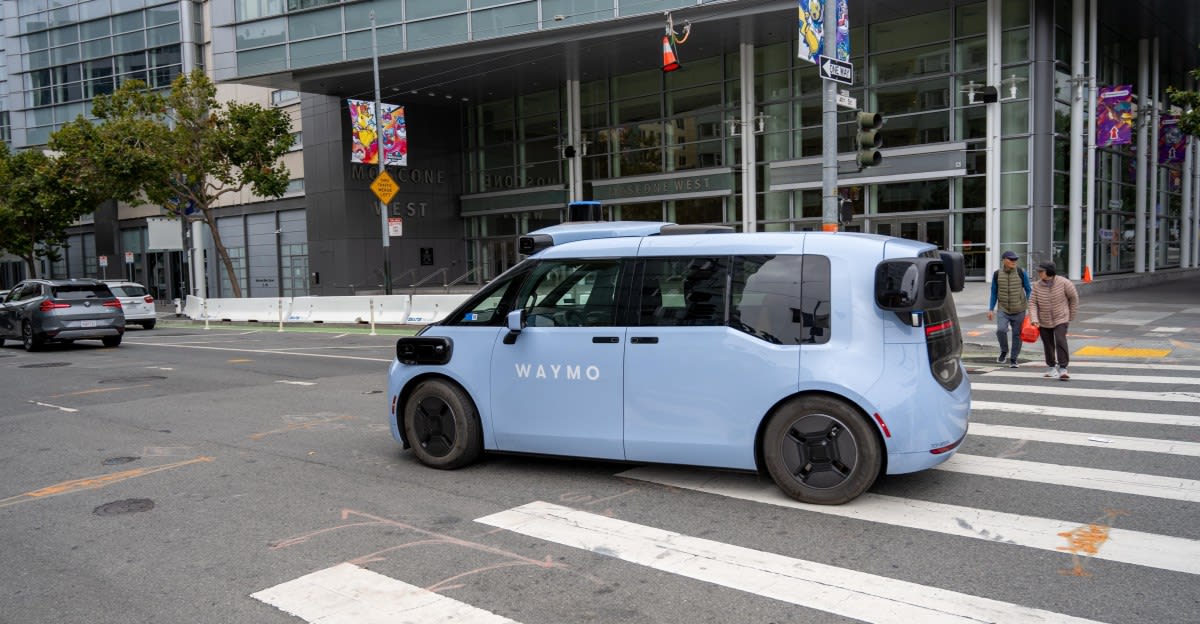
Waymo is actively scaling its robotaxi operations by introducing transit-linked discounts via Visa in San Francisco and expanding teen-accessible accounts to Nashville. These dual strategies aim to integrate autonomous vehicles into public transit networks while capturing a younger demographic in mature markets.
Waymo’s Dual-Pronged Strategy for Autonomous Scaling
Waymo, the Alphabet-owned autonomous vehicle leader, is currently navigating a significant phase of operational expansion. By simultaneously incentivizing public transit integration and lowering the age barrier for riders, the company is attempting to transition from a niche luxury service to a foundational component of urban mobility. These initiatives reflect a calculated effort to increase trip frequency and normalize robotaxi usage across diverse demographics.
Integrating with Public Transit
The company’s latest partnership with Visa, specifically targeting the San Francisco-Bay Area, highlights a persistent strategic goal: solving the 'last-mile' problem. Waymo has long experimented with transit-linked discounts to encourage users to view robotaxis as a complement to, rather than a replacement for, trains and buses. By lowering the cost of connecting to transit hubs, Waymo aims to reduce urban congestion and position its fleet as a reliable utility for daily commuters.
Capturing the Teenage Demographic
Beyond transit integration, Waymo is aggressively targeting younger riders by expanding its teen account program to Nashville. Following an initial launch in Phoenix, this move signals that Waymo is confident in the safety and operational maturity of its driverless technology. By allowing teenagers aged 13 to 17 to utilize the service, Waymo is tapping into a demographic that requires safe, reliable transportation to school and extracurricular activities, thereby creating a new, loyal user base.
Strategic Market Growth
Nashville represents a critical test case for Waymo’s national expansion. While the company has faced historical skepticism regarding the safety and viability of autonomous vehicles, the support from local leaders in Nashville suggests a shifting regulatory landscape. Waymo’s commitment to launching teen accounts in cities with mature operations indicates that the company is prioritizing safety and regulatory compliance as it scales its footprint across the United States.
Future Implications and Trends
The success of these programs could set a precedent for how autonomous vehicles interact with city infrastructure. If Waymo can successfully prove that its fleet reduces the reliance on private vehicle ownership through transit connectivity, it may secure more favorable partnerships with municipal governments. Furthermore, the standardization of teen accounts suggests that robotaxis could eventually become a primary mode of transport for minors, fundamentally altering parental expectations of childhood independence and suburban transportation logistics.
Conclusion
Waymo’s current maneuvers are indicative of a company moving from the 'experimental' phase into a 'growth and integration' phase. By addressing the economic barriers to transit usage and the demographic barriers to access, Waymo is positioning itself as a central player in the future of urban transport. As the company continues to roll out these features, the industry will be watching to see if these incentives can drive the necessary scale to make autonomous transit a profitable and ubiquitous reality.