Waymo conquered city streets — why does it keep stumbling on freeways?
Source Entity
Andrew J. Hawkins
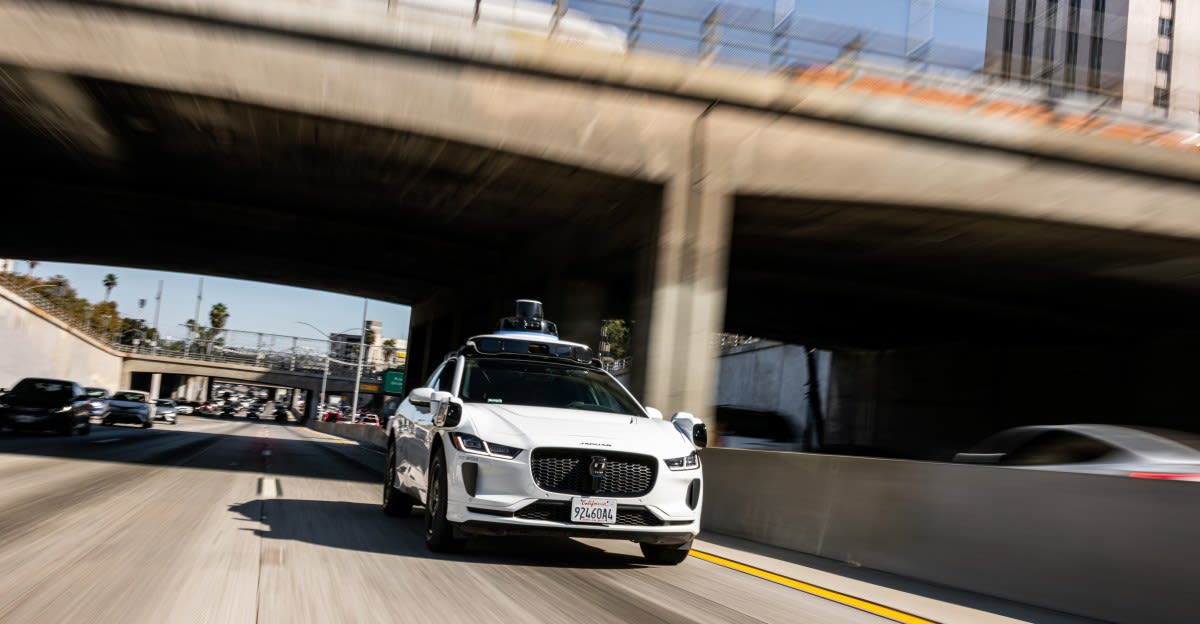
Waymo's autonomous vehicles face increased scrutiny after a recent incident on Interstate 280 involving a traffic break violation. This event prompted the California DMV to ban Waymo from operating on state freeways.
The Challenges of Autonomous Freeway Navigation
On November 6th, a Waymo autonomous vehicle was recorded on Interstate 280 attempting to overtake two California Highway Patrol (CHP) cruisers during an active traffic break. This maneuver, which would result in a license suspension for a human driver, highlights a significant gap in the decision-making logic of current robotaxi systems when faced with complex, non-standard traffic enforcement scenarios.
Analyzing the Failure Point
The incident on I-280 serves as a critical case study in the limitations of artificial intelligence in high-speed, high-stakes environments. While Waymo has demonstrated proficiency in navigating dense urban grids with predictable traffic signals and lower speed limits, freeways introduce dynamic variables—such as emergency vehicle maneuvers and erratic human behavior—that remain difficult for current sensor suites and predictive algorithms to interpret in real-time.
Regulatory Consequences
This specific violation was not an isolated event but rather the catalyst for decisive regulatory action. Citing a series of recurring blunders on freeways, the California Department of Motor Vehicles (DMV) issued a directive banning Waymo vehicles from all state interstates. This move represents a significant shift in the regulatory landscape, moving from a collaborative testing phase to a more restrictive oversight model aimed at public safety.
The Human-Machine Interaction Gap
Human drivers rely on non-verbal cues and an intuitive understanding of law enforcement protocols during traffic breaks. The Waymo vehicle's inability to recognize the authority and intent behind the CHP's maneuver indicates that the software lacks the contextual awareness required for complex highway interactions. Until these systems can reliably interpret law enforcement signaling, their integration into high-speed transit remains a significant liability.
Future Implications for Autonomous Transit
The restriction of Waymo from California freeways signals a broader cooling period for autonomous vehicle expansion. Industry leaders must now reconcile the gap between urban performance and highway competency. Future development will likely require more robust edge-case training and potentially a redesign of communication protocols between municipal authorities and autonomous fleet management systems to ensure that robotaxis can safely yield during emergency interventions.
Conclusion
The Waymo incident on I-280 is a cautionary tale regarding the rapid deployment of autonomous technology. While the industry has made monumental strides in urban mapping and obstacle avoidance, the transition to freeway operations requires a higher standard of situational awareness. The DMV's ban serves as an essential check on the pace of innovation, prioritizing public safety while forcing developers to address critical failures in machine logic.