Nine pitches in Chennai: how Roston Chase’s West Indies prepared for Bangladesh
Source Entity
Venkata Krishna B
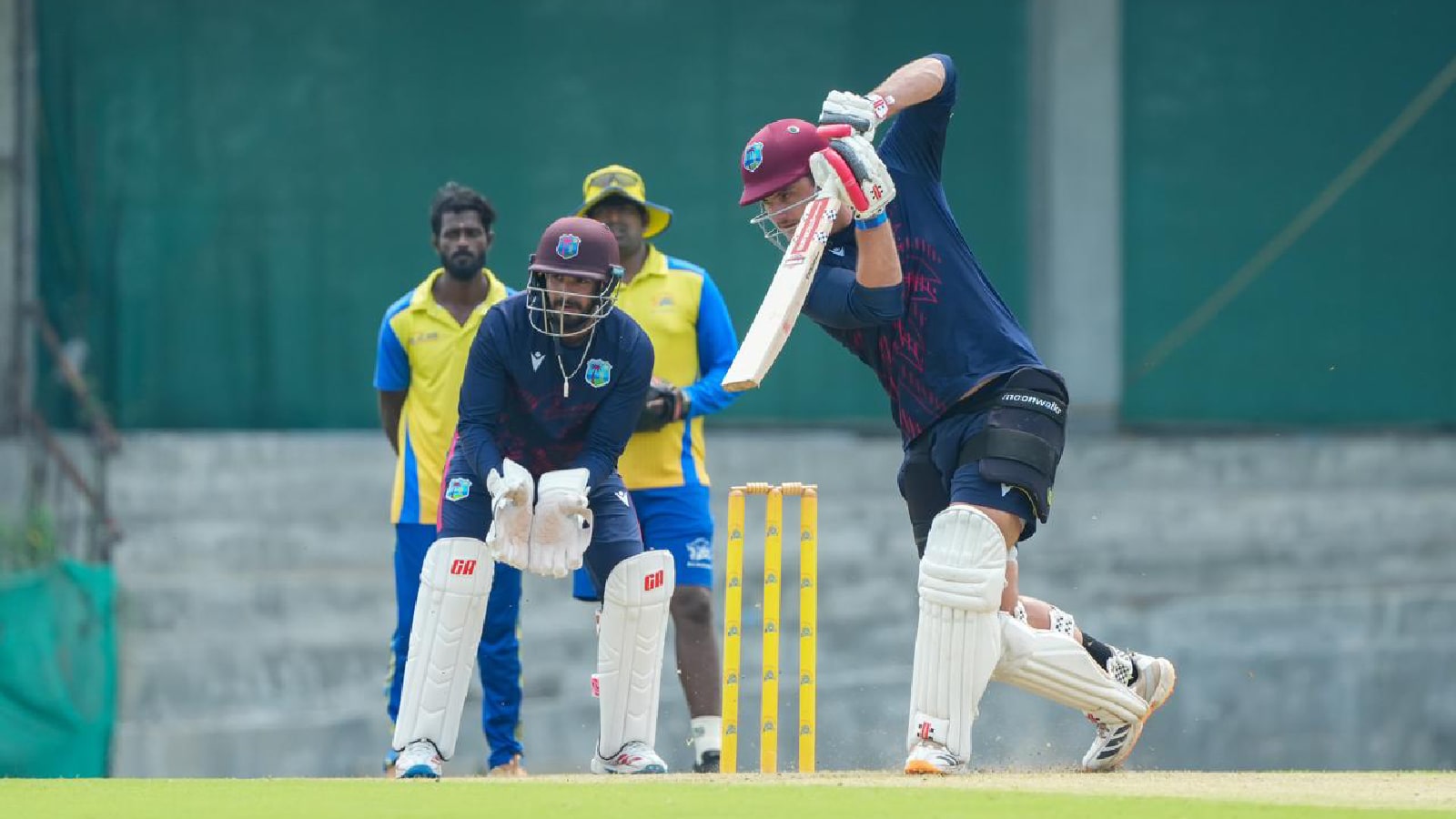
The West Indies cricket team secured a 1-0 Test series victory over Bangladesh after an intensive two-week training camp in Chennai. By simulating subcontinental conditions at the CSK High Performance Centre, the team successfully neutralized the traditional spin advantage held by their opponents.
Strategic Preparation: The Chennai Blueprint
The West Indies cricket team’s recent 1-0 Test series victory over Bangladesh stands as a masterclass in targeted preparation. Faced with the historical challenge of playing in subcontinental conditions—where spin bowling often dominates visiting teams—the Caribbean side opted for a rigorous two-week training block at the CSK High Performance Centre in Chennai. This proactive approach was not merely about net practice; it was a scientifically designed simulation of the environmental and pitch variables they expected to encounter in Bangladesh.
Simulating Complexity
The training regimen was defined by extreme attention to detail. The squad utilized nine distinct pitches, incorporating black soil, red soil, and hybrid surfaces to replicate the unpredictable nature of tracks in the subcontinent. By leaving these pitches to wear for varying durations—ranging from one to five days—the team forced their batters to adapt to deteriorating conditions, which is crucial for surviving the spin-heavy spells common in the fourth innings of a Test match.
Tactical Mimicry and Coaching Oversight
Beyond surface preparation, the team focused on personnel simulation. The net bowlers were specifically instructed to mimic the bowling actions and trajectories of subcontinental spinners, while designated batters were tasked with playing in a style consistent with local conditions. This high-intensity environment was monitored by twelve coaches, ensuring that every session provided actionable feedback. This level of oversight suggests a shift toward data-driven, hyper-localized preparation that minimizes the 'acclimatization gap' often faced by touring sides.
Breaking the Spin Dominance
The tangible results of this preparation were evident in the series outcome. Roston Chase, a central figure in this success, noted that while spinners traditionally 'eat us for dinner' in Bangladesh, the team’s preparation allowed them to counter this threat effectively. Chase’s own performance, including a match-winning 5-36 in the first Test at Mirpur, highlights how the team’s focus on spin-readiness translated directly into match-winning contributions.
Broader Implications for Test Cricket
This victory underscores a growing trend in international cricket: the reliance on high-performance centers to bridge the gap between home and away records. For the West Indies, winning the first Test by eight wickets and holding out for a draw in the second—where they defended a target of 369—proves that modern teams can overcome geographical disadvantages through rigorous, specialized simulations. As teams continue to invest in such facilities, the traditional 'home advantage' associated with spin-friendly pitches may begin to diminish, leading to more competitive and balanced Test series globally.