Will Defence Ministry part with land for Western Railways mega Mumbai terminus?
Source Entity
Ishika Gupta
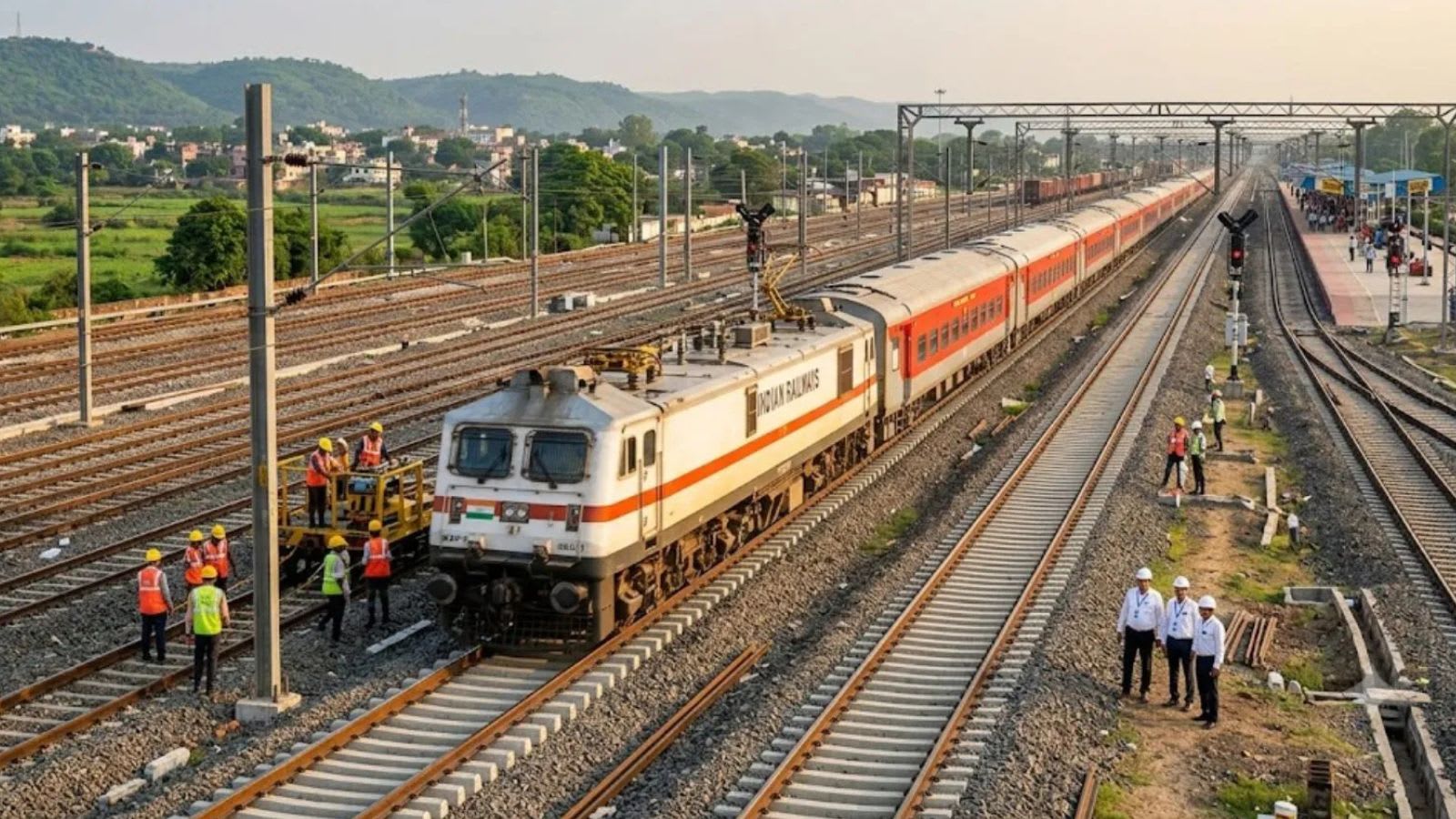
Western Railway has approached the Defence Ministry to acquire land for the construction of a mega terminus in Mumbai, aiming to alleviate severe train congestion in the city.
Strategic Infrastructure: The Push for a Mumbai Mega Terminus
Western Railway has officially initiated a request to the Central Government, specifically targeting the Ministry of Defence, to acquire land for the development of a mega terminus in Mumbai. This move is a direct response to the escalating pressure on the city's existing rail infrastructure, which currently struggles to manage the sheer volume of both long-distance and suburban commuters. The proposal highlights a critical need for expanded capacity to prevent the total saturation of existing terminals and to streamline the flow of traffic across the metropolitan region.
The Crisis of Urban Congestion
Mumbai's railway network is often described as the city's lifeline, but it is currently operating far beyond its designed capacity. With primary terminals like Churchgate and Mumbai Central facing immense strain, the addition of a mega terminus is not merely an upgrade but a necessity for urban survival. The current congestion leads to significant delays, safety concerns during peak hours, and an overall degradation of the passenger experience. By creating a centralized, high-capacity hub, Western Railway aims to redistribute the load, allowing for more efficient scheduling and a reduction in the bottleneck effect that currently plagues the city's transit points.
The Defence Land Dilemma
One of the most significant hurdles in this project is the ownership of the required land. In a densely packed city like Mumbai, available land is scarce, and much of the prime real estate is held by the Ministry of Defence for strategic and military purposes. The transfer of such land is rarely straightforward, involving complex security audits and inter-ministerial negotiations. The Defence Ministry must balance the national security implications of relinquishing strategic plots against the pressing civilian need for infrastructure. This bureaucratic tug-of-war is a common theme in Indian urban planning, where the necessity of modernization often clashes with the rigidity of military land tenure.
Broader Implications for Urban Mobility
The successful acquisition of this land would signify a major shift in Mumbai's urban mobility strategy. A mega terminus would likely act as a catalyst for integrated transport, potentially linking with the burgeoning Metro network and other multimodal transit options. Such a hub would not only ease the burden on the railways but also stimulate economic growth in the surrounding areas, transforming the local landscape into a commercial and transit-oriented development zone. This aligns with the broader global trend of creating 'Transit-Oriented Developments' (TODs) to reduce car dependency and enhance city livability.
Potential Challenges and Bureaucratic Hurdles
Despite the clear need, the path to implementation is fraught with challenges. Beyond the initial land transfer, the project will require massive capital investment and a meticulously planned execution phase to avoid disrupting existing services. There is also the risk of prolonged litigation or administrative delays, which have historically hampered large-scale infrastructure projects in Maharashtra. The coordination between the Ministry of Railways, the Ministry of Defence, and state-level urban bodies will be the deciding factor in whether this project moves from a proposal to a physical reality.
Future Outlook and Precedents
If the Defence Ministry agrees to part with the land, it could set a significant precedent for other infrastructure projects across India's major cities, where military land often occupies central urban spaces. We can expect a trend toward more aggressive inter-ministerial collaborations to solve urban crises. In the long term, the establishment of a mega terminus would likely lead to the decommissioning or repurposing of older, smaller stations, paving the way for a more streamlined and modernized railway architecture in Mumbai.
Summary
In conclusion, the request by Western Railway for Defence land is a high-stakes attempt to solve Mumbai's chronic rail congestion. While the strategic importance of the land may pose a challenge, the economic and social cost of inaction is far higher. The outcome of this request will determine the future of commuting for millions of residents and serve as a litmus test for the government's ability to prioritize urban infrastructure over legacy land holdings.