This is what happens to protein when you overcook it
Source Entity
The Indian Express
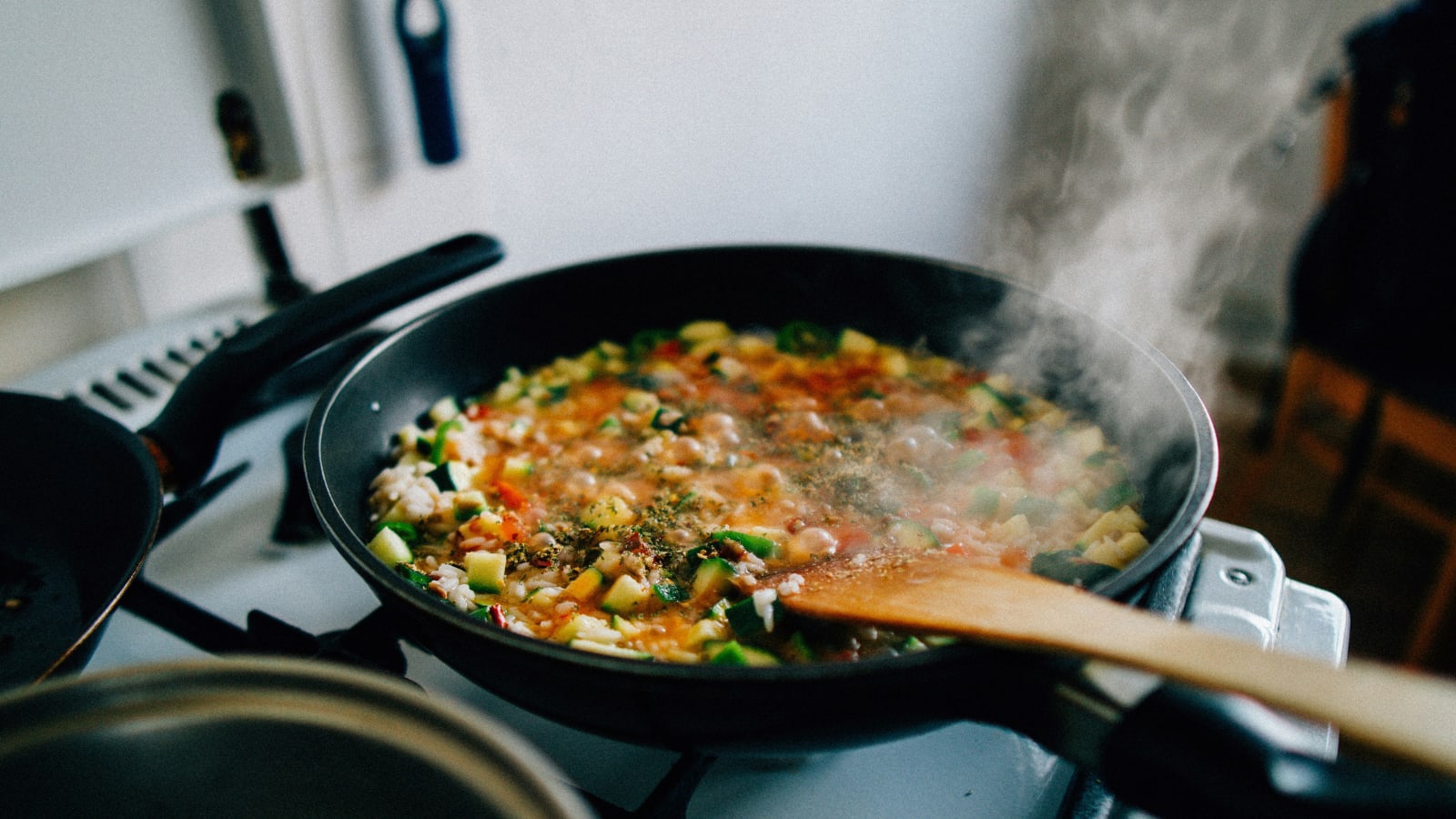
Overcooking protein at high temperatures triggers chemical reactions that produce harmful carcinogenic compounds. These processes not only destroy nutritional value but also pose potential long-term safety risks to human health.
The Hidden Dangers of Overcooking Protein
While the primary objective of cooking food is to ensure safety through the elimination of harmful pathogens, there is a critical threshold where the process transitions from beneficial to detrimental. Prolonged exposure to high heat does more than just alter the texture or flavor of a meal; it fundamentally changes the molecular structure of the proteins involved. As food undergoes excessive thermal processing, the chemical integrity of nutrients begins to degrade, leading to a loss of nutritional value that is often overlooked in modern culinary practices.
The Chemistry of Thermal Degradation
At a fundamental level, heat acts as a catalyst for chemical reactions within food. While moderate heat is necessary for starch gelatinization and protein denaturation, excessive heat pushes these reactions toward destructive pathways. A poignant example of this is the transformation of starches; while controlled cooking converts starches into digestible sugars, extreme overcooking leads to carbonization. When a food item turns to charcoal, its biological utility is effectively erased, leaving behind a substance devoid of nutritional merit.
Formation of Carcinogenic Compounds
According to Deepa Mishra, a dietician at Narayana RN Tagore Hospital, the risks associated with high-heat cooking of proteins are significant. When meat and other protein-rich foods are subjected to extreme temperatures, they can form heterocyclic amines (HCAs) and polycyclic aromatic hydrocarbons (PAHs). These compounds are widely recognized by health experts as potentially carcinogenic. The formation of these substances occurs specifically when proteins are charred or burnt, marking a clear danger zone for home cooks and chefs alike.
Nutritional Erosion and Safety
Beyond the formation of toxins, the overcooking of protein leads to a severe reduction in the bioavailability of essential amino acids. The structural breakdown of these complex molecules means that the body may struggle to absorb the nutrients the food was intended to provide. Consequently, a meal that begins as a healthy source of nutrition can be rendered nutritionally hollow or, worse, potentially hazardous due to the chemical byproducts of the cooking process.
Future Trends in Culinary Health
As public awareness regarding the relationship between cooking methods and long-term health outcomes grows, we can expect a shift toward lower-temperature cooking techniques, such as sous-vide or slow cooking. These methods allow for the safe elimination of pathogens without pushing proteins past their chemical breaking point. By prioritizing controlled thermal application over high-heat searing, consumers can mitigate the risks of chemical degradation while preserving the essential integrity of their food.
Conclusion
In summary, the science of cooking requires a delicate balance between food safety and chemical preservation. By understanding that excessive heat triggers the creation of harmful substances like HCAs and PAHs, individuals can make more informed decisions in the kitchen. Moving forward, the focus should remain on adequate, rather than excessive, heat application to ensure that the food we consume remains both safe and nutritionally potent.