What is Pitru Paksha? The spiritual meaning behind honoring your ancestors for 15 days
Source Entity
Latest News: Todays Latest News Headlines from India & World | Hindustan Times | Hindustan Times
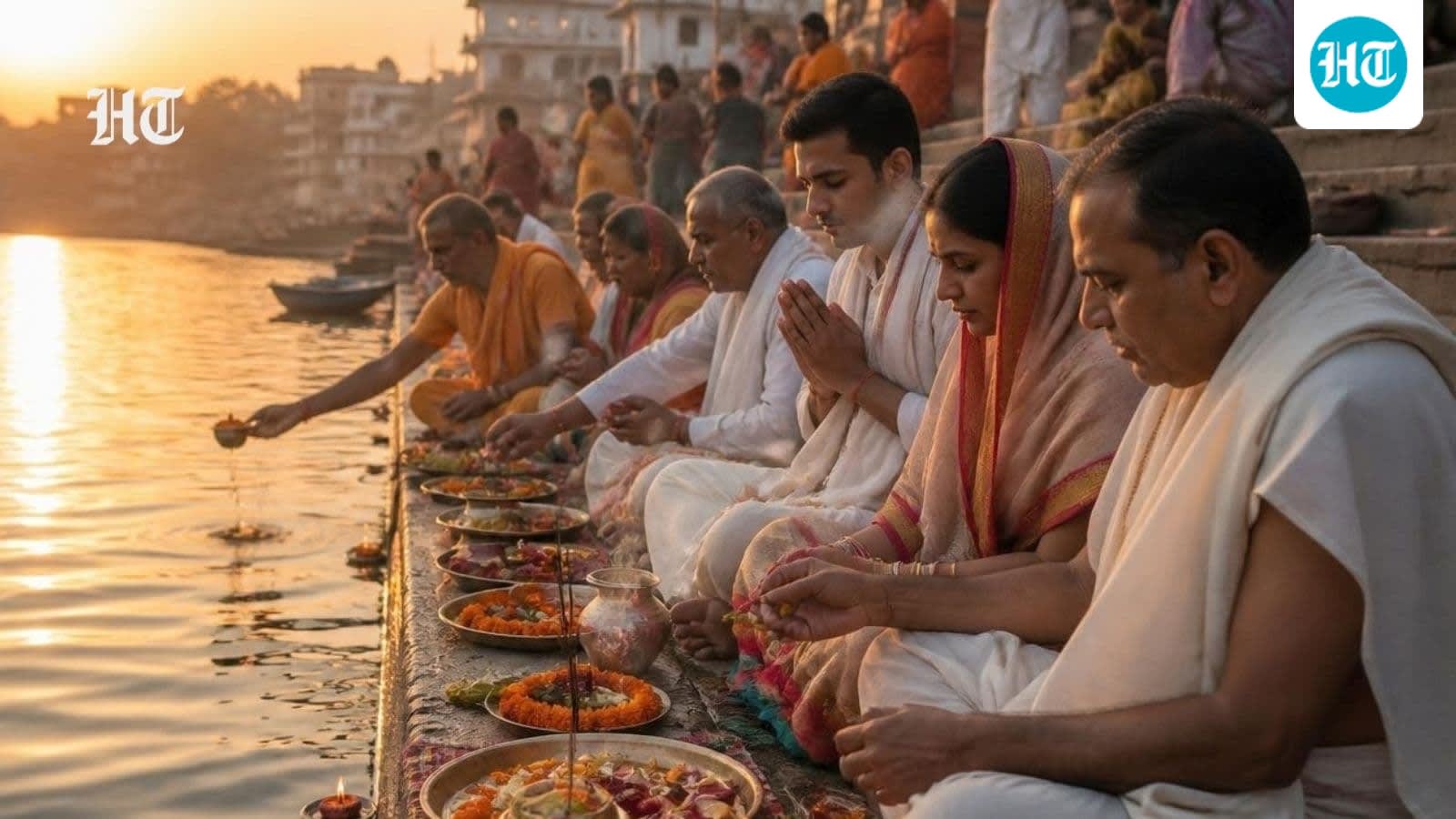
Pitru Paksha is a 15-day lunar period dedicated to honoring ancestors through traditional rituals like Shraddha and Tarpan. Beyond spiritual observance, it emphasizes family heritage and encourages ecological practices like planting sacred trees for health benefits.
Understanding the Spiritual Significance of Pitru Paksha
Pitru Paksha represents a profound 15-lunar-day period within the Hindu calendar, serving as a dedicated time for individuals to honor and remember their departed ancestors. Far from being merely a sequence of rituals, this period acts as a spiritual bridge between the past and the present, encouraging families to reflect upon their ancestral roots and the legacy inherited from those who came before them. By engaging in practices such as Shraddha and Tarpan—where food and water are offered as tokens of gratitude—practitioners fulfill a perceived moral and spiritual duty toward their lineage.
The 2026 Observance Timeline
For the year 2026, the observance is structured around specific lunar dates, or tithis. According to Drik Panchang, the period commences on September 27, 2026, with the Pratipada Shraddha, and concludes on October 10, 2026, with Sarva Pitru Amavasya. This calendar provides a structured framework for families to organize their commemorations, ensuring that each day is utilized for reflection and the performance of traditional rites meant to honor the spirits of the deceased.
Integrating Nature and Ancestral Legacy
Modern interpretations of Pitru Paksha have expanded to include an ecological dimension, emphasizing the connection between human health and the natural world. A significant practice during this time involves the planting of specific, sacred trees. This act serves a dual purpose: it acts as a living memorial to ancestors while simultaneously promoting environmental well-being. By nurturing these trees, participants bridge the gap between their spiritual heritage and the physical necessity of maintaining a healthy ecosystem.
Broader Implications and Cultural Continuity
Beyond the individual act of remembrance, Pitru Paksha serves as a vital tool for maintaining family cohesion. In an increasingly globalized world, the 15-day period compels families to gather, share stories, and contemplate the values passed down through generations. This collective reflection reinforces the identity of the family unit, reminding younger generations of the sacrifices made by their predecessors and the importance of maintaining an unbroken connection to their origins.
Future Trends in Traditional Observance
Looking ahead, the evolution of Pitru Paksha suggests an increasing trend toward holistic wellness. As awareness grows regarding the therapeutic benefits of planting sacred flora, the observance is likely to attract participants interested in both spiritual fulfillment and sustainable living. This synthesis of ancient ritual and environmental stewardship ensures that the tradition remains relevant, providing a meaningful, grounded experience for those looking to honor their history while nurturing the life that surrounds them today.
Verification Required?