Why GTA VI’s version of Florida feels so real
Source Entity
Andrew Webster
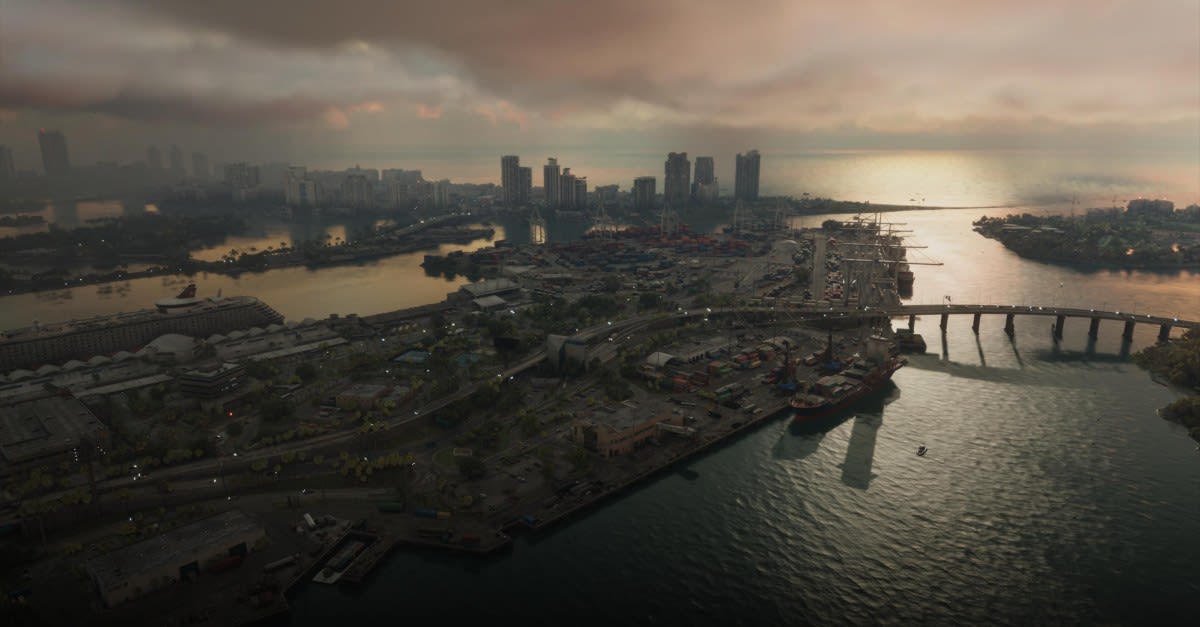
Grand Theft Auto VI is gaining widespread attention for its unprecedented level of environmental realism in its fictionalized Florida setting. Experts attribute this immersive experience to the game's deep interactivity, ranging from urban infrastructure to diverse wildlife ecosystems.
The Art of Virtual Realism in GTA VI
Grand Theft Auto VI has emerged as a cultural phenomenon, driven not only by the massive 13-year anticipation period following its predecessor but by a technical achievement in world-building that pushes the boundaries of open-world gaming. The game’s depiction of a fictionalized Florida stands as a masterclass in digital environment design, capturing the distinct atmosphere of the region with a level of fidelity previously unseen in the series. This success is rooted in the studio's commitment to creating a 'sense of place' that feels lived-in rather than merely decorative.
Infrastructure and Urban Depth
A primary driver of this realism is the functional complexity of the game's urban centers. Unlike traditional open-world games that often rely on static backdrops, GTA VI introduces a dynamic infrastructure that includes functioning public transit systems like buses and trains. This transit network mimics real-world urban mobility, grounding the player in a city that operates according to its own internal logic. Furthermore, the ability for players to enter and explore a wide array of buildings adds a layer of depth that transforms the map from a collection of textures into a navigable, tangible geography.
Beyond the City Limits: Ecological Interactivity
While the Miami-inspired Vice City serves as the dense, neon-lit core of the experience, the game distinguishes itself by offering vast, interactive natural landscapes. By populating these remote areas with complex wildlife systems, the developers have successfully replicated the unique ecological diversity of Florida. This interaction between the player and the environment—far removed from the high-density urban settings—creates a balanced world that feels complete, offering a respite from the frantic pace of city life while maintaining a consistent visual and mechanical language.
The Human Element and Social Simulation
The game also excels in its social simulation, utilizing non-player characters (NPCs) that enhance the feeling of a 'bustling' city. Players are able to engage in conversations with residents, a feature that provides the illusion of a reactive, breathing population. When combined with the relatable lead characters and a central romantic storyline, these social interactions elevate the game beyond simple action, positioning it as a sophisticated digital narrative experience that centers human experience within a hyper-realistic setting.
Scholarly Perspectives on Virtual Urbanism
Experts such as Emma Fraser, an assistant professor at UC Berkeley who specializes in the study of urban ruins and virtual cities, have taken note of this development. The unique sensation of realism experienced by players is not an accident; it is the result of meticulous design choices that prioritize architectural and cultural authenticity. By studying how players perceive these virtual spaces, researchers are gaining new insights into the future of digital environments and how they might reflect or distort our understanding of real-world urban centers.
Conclusion: The Future of Immersion
Ultimately, Grand Theft Auto VI represents a significant milestone in gaming history. By synthesizing complex infrastructure, deep social mechanics, and expansive natural settings, the developers have set a new benchmark for environmental storytelling. As technology continues to evolve, the lessons learned from this project regarding player immersion and environmental interactivity will likely influence the next generation of interactive media, ensuring that the lines between virtual and physical realities continue to blur.