Why I Left Google DeepMind
Source Entity
Hacker News
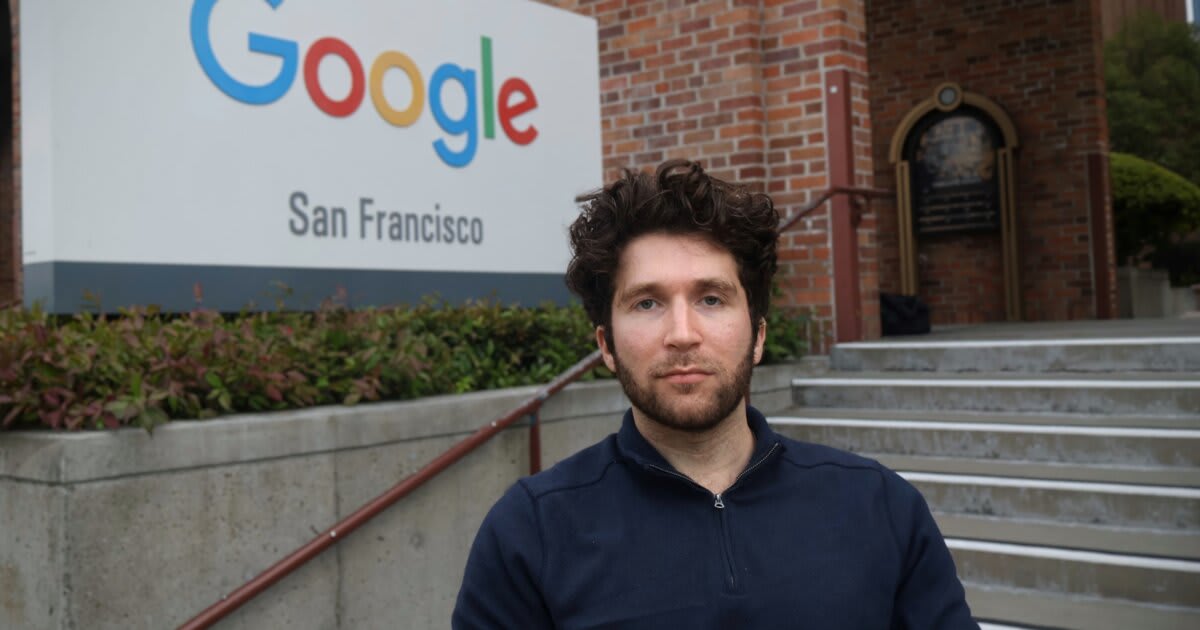
A former employee of Google DeepMind has shared their reasons for leaving the prestigious AI lab, sparking a wider discussion on Hacker News about the internal culture and professional trajectory of AI researchers.
Analysis of Departure from Google DeepMind
The provided context centers on a first-person account titled "Why I Left Google DeepMind," which has gained traction on Hacker News. While the specific motivations of the author are not detailed within the provided snippet, the act of publicly documenting a departure from one of the world's most influential artificial intelligence research organizations is a noteworthy event in the technology sector.
The Context of AI Talent Migration
Google DeepMind operates at the intersection of academic research and corporate productization. In the current AI arms race, the movement of high-level talent is a key indicator of industry health and strategic shifts. When researchers leave an entity with virtually unlimited compute and financial resources, it often points to systemic issues such as institutional bureaucracy, a shift in focus from pure research to commercial application, or the lure of founding independent ventures where they have more autonomy.
Broader Implications for the AI Field
This event reflects a broader trend where the 'brain drain' from large labs to smaller, more agile startups is accelerating. As AI becomes more integrated into Google's core business (e.g., Gemini), the original mission of DeepMind—solving intelligence to solve everything else—may clash with the immediate needs of a public-facing product cycle. This tension often leads to the departure of scientists who prioritize long-term theoretical breakthroughs over short-term product iterations.
Conclusion
The discussion surrounding this departure underscores the ongoing struggle to balance the academic rigor of AI research with the commercial demands of Big Tech. It highlights the importance of individual agency and intellectual freedom for the scientists driving the next generation of artificial intelligence.