Insurer denies claim calling husband ‘drunk’ in accident, widow wins Rs 4 lakh
Source Entity
Vineet Upadhyay
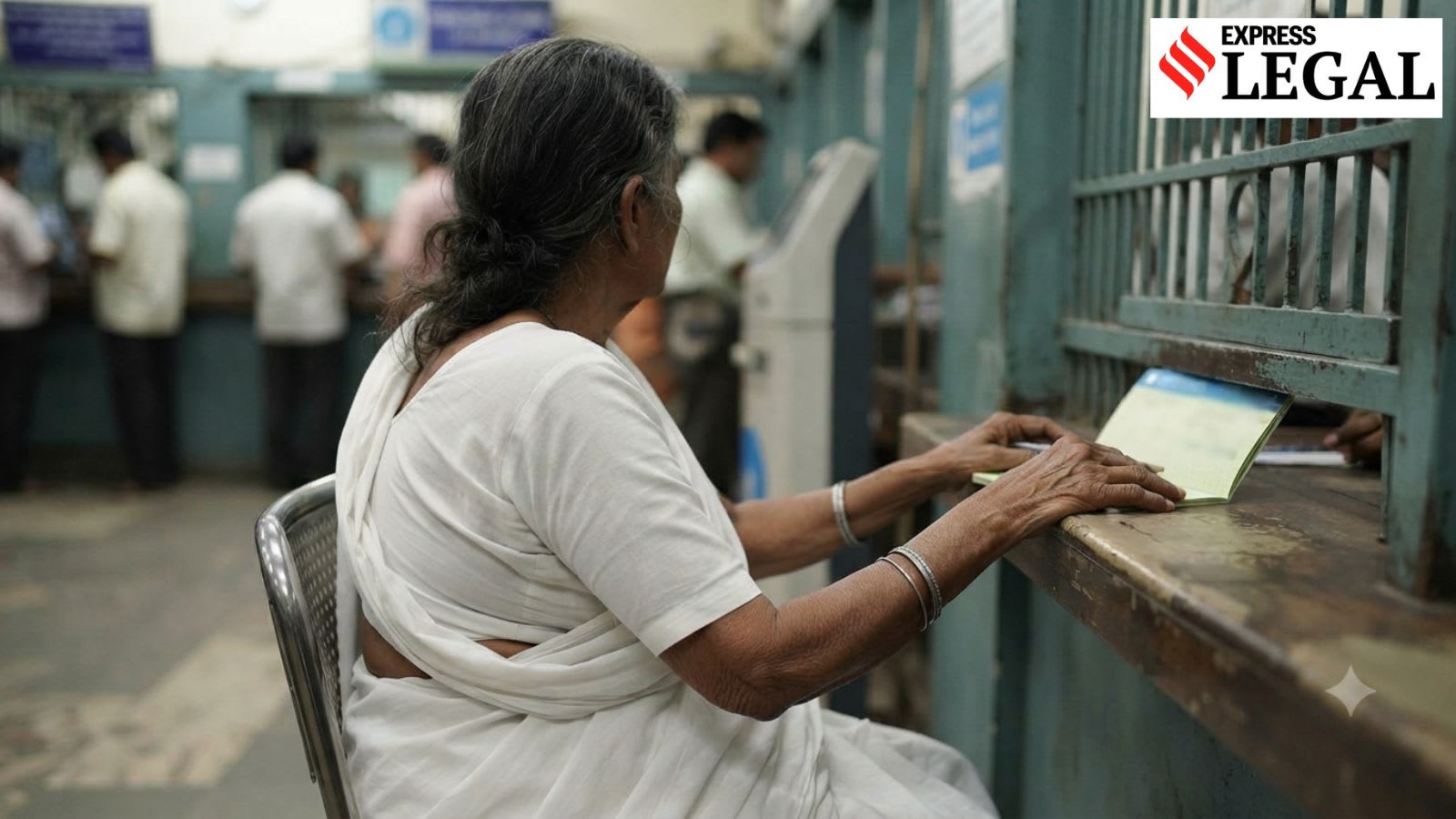
A consumer court has ordered SBI General Insurance Company to pay Rs 4 lakh to a widow after a 13-year legal battle. The insurer had previously denied the claim, alleging the husband was driving under the influence of alcohol at the time of the fatal accident, a claim the court ultimately found unsubstantiated.
Justice Delayed, But Delivered: Analyzing the 13-Year Insurance Battle
In a significant victory for consumer rights, a consumer court has directed SBI General Insurance Company to pay a sum of Rs 4 lakh to a widow whose claim had been unjustly denied for over a decade. The case highlights a distressing pattern in the insurance industry where companies often employ aggressive tactics to avoid payouts, frequently citing 'drunk driving' or other policy exclusions without sufficient forensic evidence. This specific ruling serves as a critical reminder of the judicial system's role in protecting vulnerable policyholders from corporate negligence and arbitrary claim rejections.
The Tactic of Arbitrary Denial
The core of this dispute rested on the insurer's allegation that the deceased husband was intoxicated during the road accident. In the insurance sector, 'driving under the influence' is a standard exclusion clause that allows companies to void a claim entirely. However, the legal burden of proof lies heavily on the insurer to provide medical reports or police forensics proving blood alcohol levels exceeded legal limits. In this instance, the insurer's failure to substantiate the 'drunk' label suggests a systemic attempt to minimize liability, a practice that often leaves grieving families in financial distress while the company avoids its contractual obligations.
The Psychological and Financial Toll of a 13-Year Wait
One of the most harrowing aspects of this case is the timeline: a 13-year struggle for justice. For the widow, this period represents more than just a legal delay; it is a decade of emotional turmoil and financial instability. The prolonged nature of consumer court proceedings in India often acts as a deterrent, discouraging policyholders from fighting large corporations. This case underscores the necessity for expedited judicial processes in consumer disputes, as the value of the payout is diminished over time due to inflation, and the emotional cost of the struggle is immeasurable.
Legal Precedents and the Burden of Proof
From a legal standpoint, the court's decision reinforces the principle that insurance claims cannot be rejected based on mere suspicion or hearsay. By ruling in favor of the widow, the court has reiterated that the insurer must provide concrete, admissible evidence to trigger an exclusion clause. This ruling sets a strong precedent for other claimants facing similar accusations. It sends a clear message to insurance providers that the judiciary will not tolerate the use of unsubstantiated allegations to evade the payment of legitimate claims, thereby forcing companies to be more transparent and evidence-based in their investigations.
Broader Implications for the Insurance Industry
This verdict is likely to prompt a review of how insurance companies handle accident claims across the board. When a major entity like SBI General Insurance is held accountable, it encourages other firms to refine their claim-settlement processes to avoid costly litigation and reputational damage. We can expect a trend toward more rigorous, standardized reporting from first responders and hospitals to ensure that 'drunk driving' claims are backed by scientific data rather than conjecture. This shift would benefit both the industry—by reducing frivolous lawsuits—and the consumer—by ensuring fair treatment.
Conclusion: A Victory for Consumer Sovereignty
Ultimately, the awarding of Rs 4 lakh to the widow is a victory for consumer sovereignty over corporate hegemony. While the monetary compensation may not fully erase the pain of the loss or the frustration of a 13-year wait, the legal validation of her struggle is invaluable. This case serves as a beacon of hope for others trapped in bureaucratic loops, proving that persistence in the face of corporate denial can eventually lead to justice. It highlights the indispensable role of consumer courts in balancing the power dynamic between the individual and the corporation.