World stocks dip as oil rises after Trump's Hormuz levy threat
Source Entity
Yahoo Finance
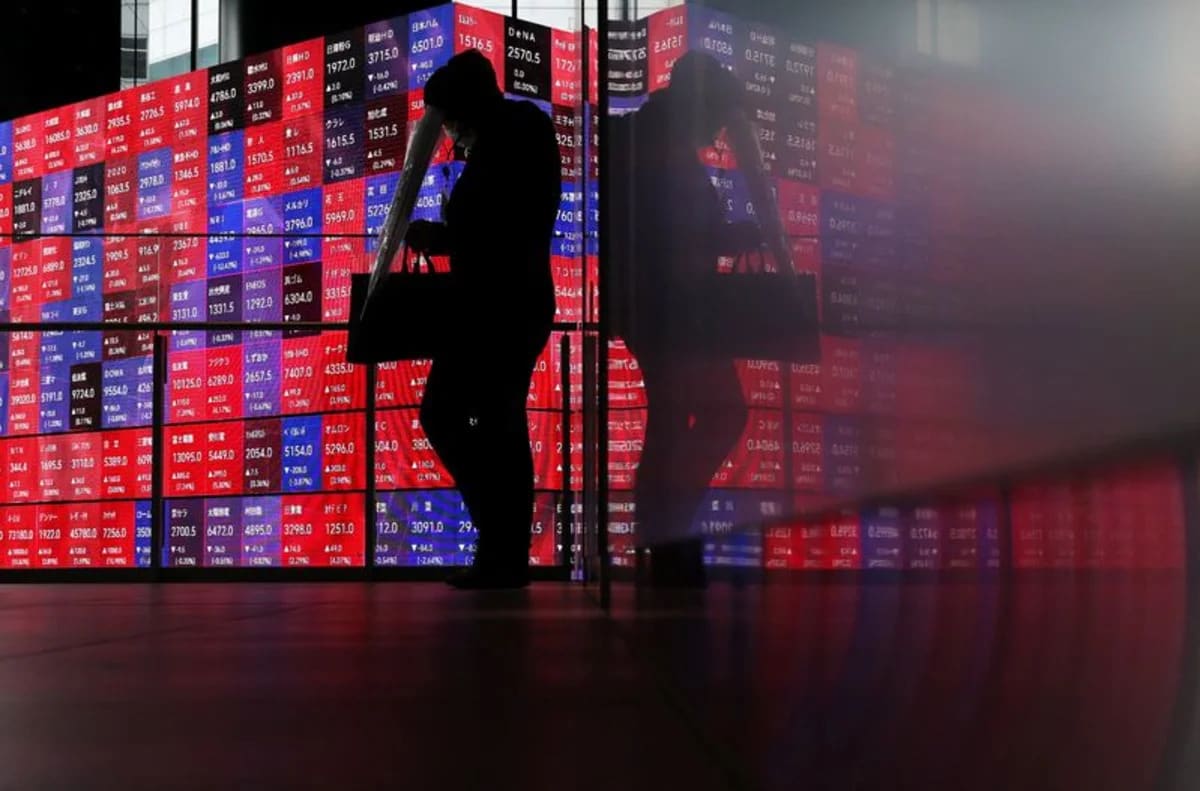
By Nell Mackenzie and Gregor Stuart Hunter LONDON/SINGAPORE, July 14 (Reuters) - Stocks moved back into negative territory after yo-yoing between gains and losses as oil hit one-month highs on Tuesda...
Global Markets React to Geopolitical Volatility
The global financial landscape experienced a sharp shift in sentiment as international stock markets dipped and crude oil prices surged to one-month highs. This volatility was triggered by statements from Donald Trump regarding a potential levy on the Strait of Hormuz, a critical maritime artery for the global energy supply. The immediate reaction across trading hubs in London and Singapore underscores the extreme sensitivity of modern markets to geopolitical rhetoric, particularly when it involves the stability of energy corridors.
The Strategic Importance of the Strait of Hormuz
To understand the severity of the market reaction, one must consider the role of the Strait of Hormuz. As the world's most important oil chokepoint, a significant portion of the globe's total oil consumption passes through this narrow waterway. Any threat of a 'levy' or disruption in this region essentially introduces a geopolitical risk premium into the price of every barrel of oil. By threatening a financial or regulatory burden on this passage, Trump is targeting a vulnerability that can instantaneously affect the cost of transport and production for energy exporters and importers alike.
The Inverse Correlation: Oil Prices vs. Equities
The current market movement demonstrates a classic inverse correlation between energy costs and equity performance. As oil prices hit one-month highs, investors grew concerned about the inflationary pressure that rising energy costs exert on the global economy. Increased fuel and raw material costs typically lead to higher operating expenses for corporations and higher prices for consumers, which can dampen overall economic growth. Consequently, stocks moved into negative territory as traders priced in the risk of reduced corporate earnings and potential central bank reactions to inflation.
Historical Context of 'Maximum Pressure' Tactics
This development aligns with a broader historical pattern of using economic leverage and strategic threats to achieve political objectives, reminiscent of the 'Maximum Pressure' campaign previously employed against Iran. By leveraging the threat of financial penalties or levies in the Persian Gulf, the strategy seeks to force concessions or shift the regional power balance. However, the unpredictability of such tactics often creates a 'yo-yo' effect in the markets, where gains are quickly erased by sudden shifts in political rhetoric, leading to the instability observed in the current trading session.
Broad Economic Implications and Risk Premiums
The broader implication of this event is the reinforcement of the 'geopolitical risk premium.' Markets are no longer trading solely on supply-and-demand fundamentals—such as OPEC+ production quotas or US shale output—but are increasingly driven by the perceived stability of transit routes. If the threat of a levy becomes a tangible policy, it could lead to a permanent structural increase in energy costs, forcing global industries to accelerate their transition to alternative energy sources to mitigate the risks associated with volatile chokepoints.
Future Trends and Market Outlook
Looking forward, market participants are likely to remain on edge, closely monitoring for any official policy implementation or a softening of the rhetoric. The volatility observed on Tuesday suggests that the market is in a state of 'wait-and-see,' where any further escalation could lead to a more sustained bear market in equities and a rally in commodities. The interaction between US political strategy and global energy security will likely remain a primary driver of market volatility in the coming quarters, especially as election cycles and international diplomatic tensions evolve.
Conclusion
In summary, the dip in world stocks and the rise in oil prices are direct consequences of the perceived instability in the Strait of Hormuz following Donald Trump's levy threats. This event highlights the fragile intersection of global politics and international finance, where a single statement regarding a strategic waterway can disrupt billions of dollars in market capitalization and shift the trajectory of global energy pricing.