Allegro Microsystems (ALGM) Advanced from Sharp Demand Growth
Source Entity
Yahoo Finance
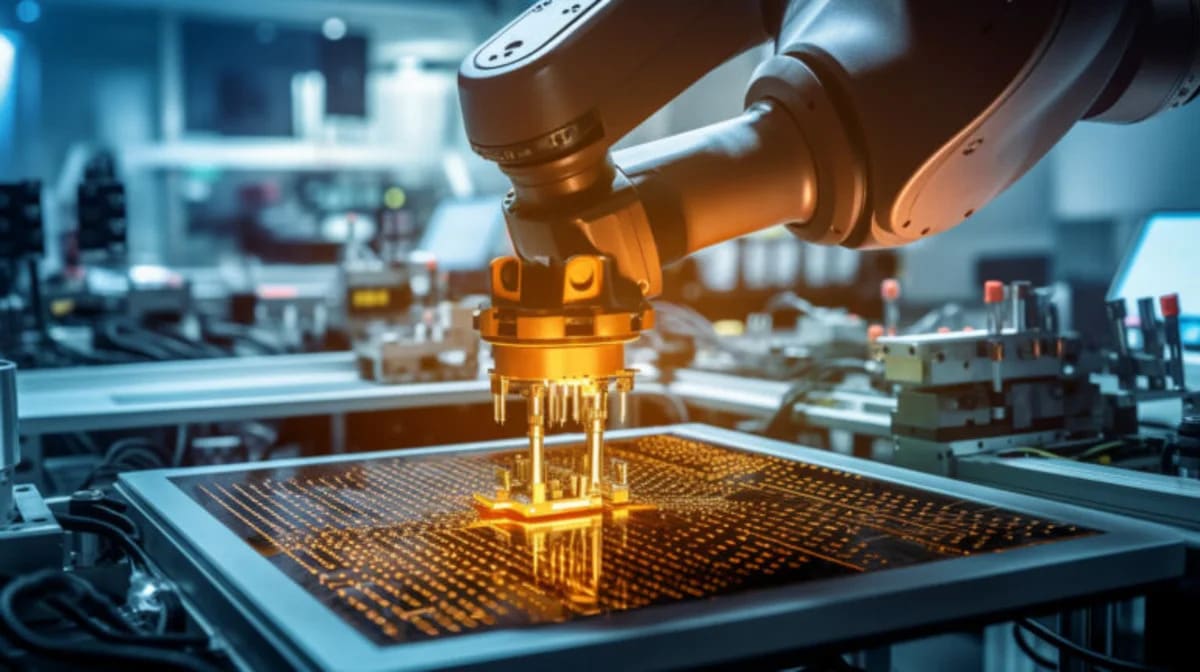
The WS Amati Global Innovation Fund reported strong Q2 2026 performance driven by investments in AI-related semiconductor and equipment suppliers like Allegro Microsystems and MKS. While hardware sectors thrived amid AI demand, software and IT services experienced skepticism due to automation concerns.
Q2 2026 Market Analysis: The Semiconductor Surge
The second quarter of 2026 has proven to be a pivotal period for global equity markets, characterized by a dual-narrative of geopolitical tension and an unrelenting drive toward artificial intelligence integration. According to the latest investor letter from the WS Amati Global Innovation Fund, managed by Amati Global Investors, the financial landscape was defined by massive capital deployment into the physical infrastructure required to power AI, rather than just the consumer-facing software applications.
Hardware Dominance in the AI Ecosystem
As the fund outperformed the MSCI ACWI benchmark, a clear trend emerged: the 'picks and shovels' of the AI revolution—specifically chip producers and data center equipment manufacturers—are capturing the lion's share of value. Companies like Allegro Microsystems (ALGM) and MKS (MKSI) have become central to this narrative, benefiting from the skyrocketing demand for high-performance components and High Bandwidth Memory (HBM). This shift underscores a broader market realization that the physical constraints of computing power are the primary bottleneck for AI scalability.
Diversification Beyond the 'Magnificent Seven'
One of the most notable aspects of Amati’s strategy was its ability to outperform by looking beyond the standard 'headline' AI firms. By maintaining a diversified portfolio of semiconductor and equipment suppliers, the fund successfully captured the secondary and tertiary growth phases of the AI supply chain. This approach highlights the importance of institutional investors identifying critical, yet often overlooked, players that provide the essential hardware architecture supporting modern data centers.
The Software Paradox
Conversely, the report sheds light on a growing investor skepticism regarding software and IT services. Despite the long-term potential for productivity gains, the market is currently grappling with deep-seated fears regarding the impact of automation. This divergence in sentiment suggests that while investors are confident in the 'hardware' layer of the AI stack, the 'application' layer is facing a period of scrutiny as the market attempts to price in the risks and labor-market disruptions associated with widespread AI adoption.
Future Trends and Market Outlook
Looking forward, the performance of companies like MKS and Allegro Microsystems serves as a bellwether for the industrial side of the tech sector. As geopolitical conflicts continue to influence global supply chains, the ability of hardware firms to maintain stable, high-demand production will remain a critical variable for investors. The fund’s success suggests that the next phase of the AI market will likely be defined by a continued emphasis on hardware efficiency and the strategic resilience of the semiconductor manufacturing base.
Conclusion
In summary, the second quarter of 2026 has reinforced the dominance of physical infrastructure in the digital age. By focusing on the hardware that enables AI, firms like Amati have navigated a complex macroeconomic environment characterized by both fear and opportunity. As the industry matures, the ongoing tension between automation-related skepticism in software and the robust demand for semiconductor equipment will likely continue to reshape global investment strategies.
Multiple Citing Sources