World News Today Live Updates: Houthis seize an island, opening a new front in the Iran war, as Saudi shuts down a pipeline
Source Entity
Mashkoora Khan
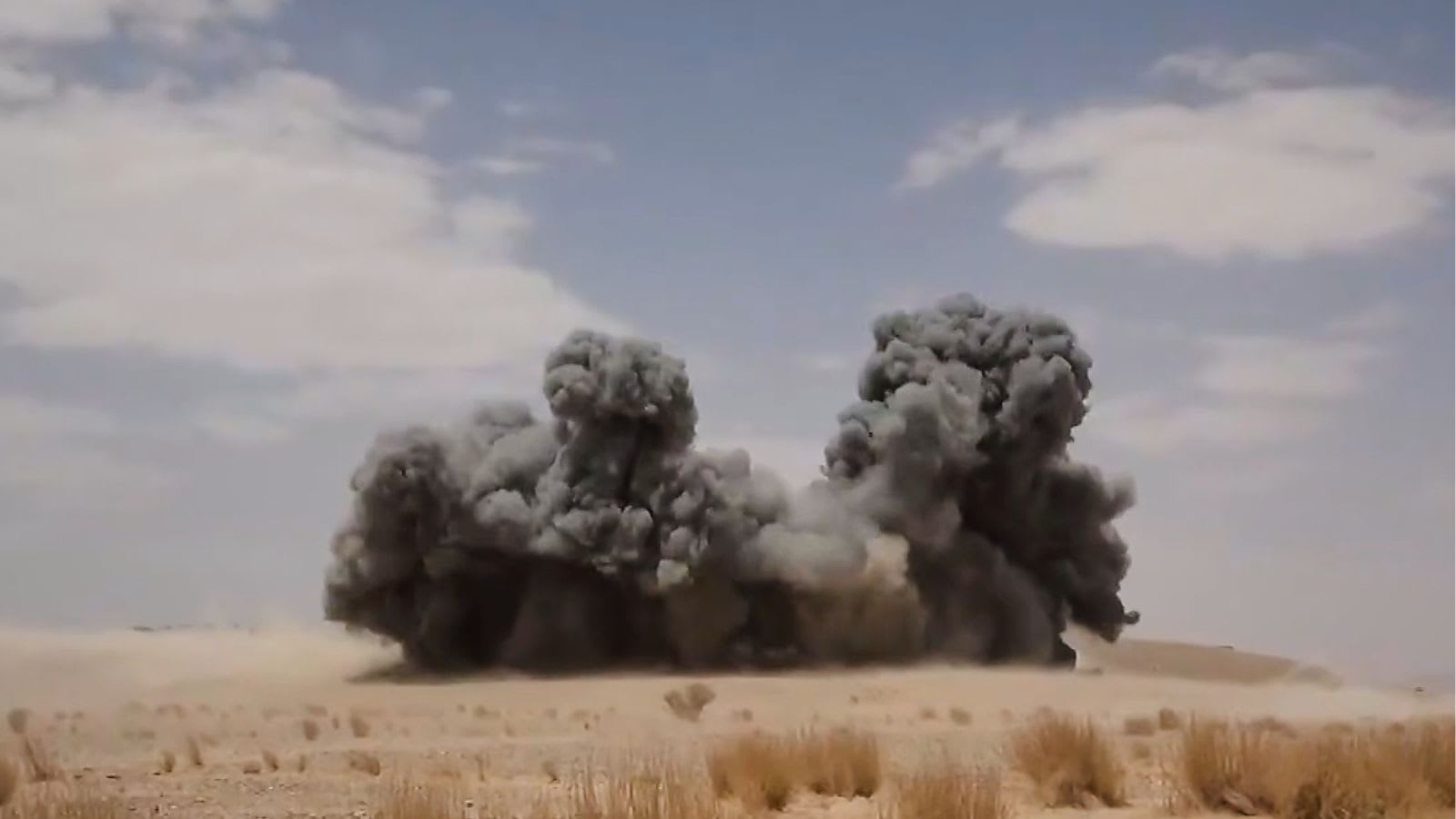
The Yemeni Army has reported significant territorial gains against Houthi forces amid escalating regional instability. These developments coincide with intensified cross-border attacks and concerns over Houthi control of critical maritime chokepoints like the Bab al-Mandab Strait.
Shifting Frontlines in the Yemeni Conflict
The ongoing conflict in Yemen has reached a new phase of volatility, characterized by the Yemeni Army’s recent claim of capturing “vast areas” from Houthi forces. This development, supported by footage from the Yemeni Armed Forces Media Centre, signals a potential recalibration of the territorial stalemate that has defined the nation’s decade-long civil war. The battle for strategic geography remains the primary driver of this violence, as both the government-aligned forces and the Houthi movement vie for control over critical regions that dictate supply lines and military leverage.
The Strategic Importance of the Red Sea
The tactical significance of these movements is underscored by reports regarding the Red Sea port of Mokha. Control of this port is not merely a local victory; it holds profound implications for global maritime security. By threatening to seize or influence the Bab al-Mandab Strait, Houthi forces aim to disrupt a vital global shipping corridor. The intersection of local territorial gains and maritime embargo threats highlights how the Yemeni conflict has transcended its domestic origins to become a focal point of geopolitical tension.
Regional Proxy Dynamics
The conflict is deeply influenced by the involvement of regional powers, specifically the Iranian-backed support for the Houthi movement. Regional officials have indicated that this backing extends to the coordination of drone and missile attacks targeting Saudi Arabian infrastructure, including oil facilities. These cross-border strikes, often presented as retaliation for coalition air campaigns, demonstrate a sophisticated level of coordination that suggests a broader regional strategy involving allied militias in neighboring countries.
Escalation and Human Cost
The intensity of the fighting is reflected in the high human and economic cost. Recent escalations, including attacks on civilian populations and critical energy infrastructure, have led to significant injuries and temporary halts in industrial operations. The collapse of an informal four-year ceasefire in July has essentially returned the region to an active state of total war, where the distinction between military targets and civilian infrastructure is increasingly blurred by the use of long-range drones and missiles.
Future Trends and Outlook
Looking ahead, the battlefield dynamics are likely to remain fluid. If the Yemeni Army’s reported territorial gains are sustained, it could place unprecedented pressure on the Houthi leadership, potentially forcing a change in their military strategy. However, given the reliance on external support and the deployment of advanced missile technology, a swift resolution remains unlikely. The international community continues to monitor these developments closely, as the threat to Red Sea navigation and the stability of Gulf oil supplies poses a persistent risk to global economic security.
Multiple Citing Sources