Houthi advances puts India and global trade closer to the edge
Source Entity
CHIDANAND RAJGHATTA
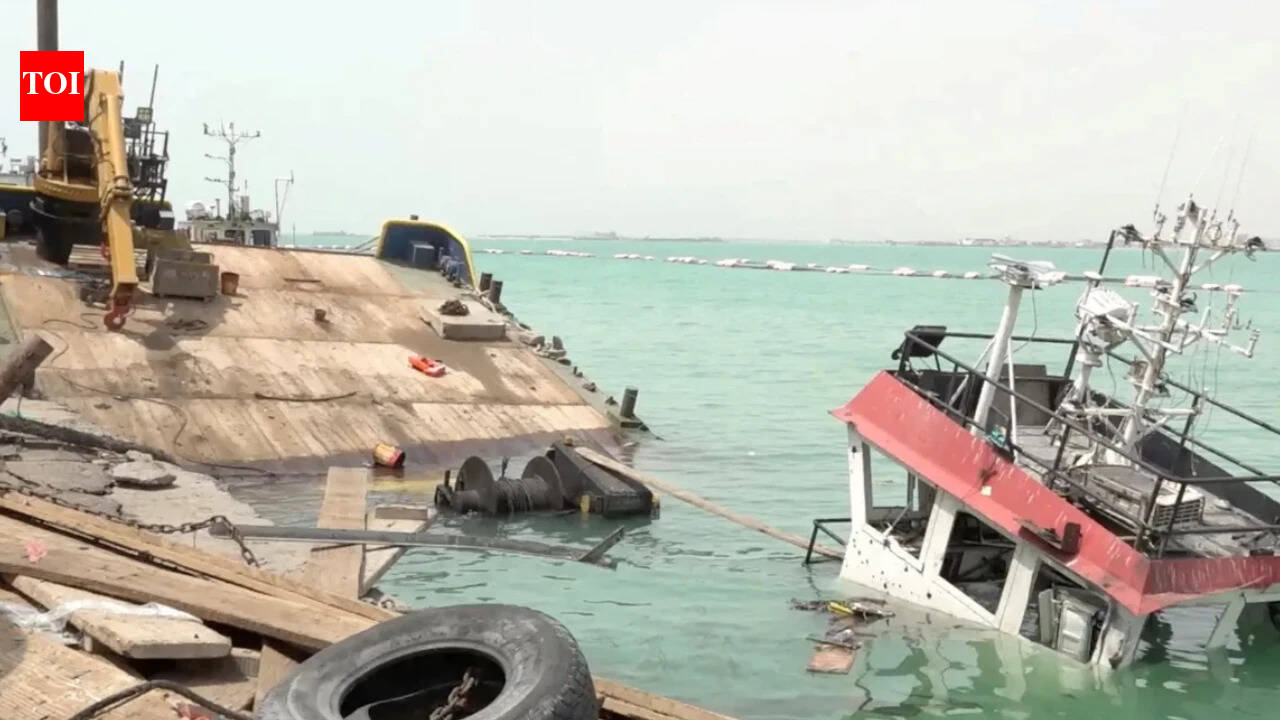
The Yemeni Army reports significant territorial gains against Houthi forces amid ongoing civil conflict. These developments occur alongside escalating regional tensions, including Houthi attacks on Saudi infrastructure and strategic concerns over the Bab al-Mandab Strait.
Shifting Frontlines in the Yemeni Conflict
The ongoing civil war in Yemen has reached a new juncture as the Yemeni Army reports the successful capture of "vast areas" from Houthi forces. This development, supported by footage released by the Yemeni Armed Forces Media Centre, suggests a tactical shift in a conflict that has persisted for over a decade. The battle for strategic territory remains the primary driver of these operations, as both sides seek to consolidate control over key regions of a nation fractured by years of warfare.
The Strategic Importance of Red Sea Access
The conflict has profound implications for global maritime security, particularly regarding the Red Sea. Reports indicating Houthi activity near the strategic port of Mokha highlight the group's intent to influence the Bab al-Mandab Strait, a vital artery for international shipping. Control over this waterway serves as a powerful lever for the Houthi movement, as it threatens the flow of goods and energy resources, thereby escalating the stakes for regional powers and international observers alike.
Escalation and Retaliation Cycles
The current military activity is inextricably linked to a cycle of retaliatory violence. The Houthis have utilized drone and missile strikes against southern Saudi Arabia, targeting oil infrastructure and causing civilian casualties. These actions are framed by the Houthis as responses to Saudi-led coalition air strikes. The unraveling of an informal four-year ceasefire, which began in July, has accelerated this volatility, leading to a "maritime embargo" and renewed kinetic operations that have destabilized the region further.
Regional Proxy Dynamics and External Influence
Experts and regional officials suggest that the conflict is increasingly defined by Iran’s reliance on the Houthis and allied militias in Iraq to exert pressure on Saudi Arabia and U.S. allies. Evidence of Houthi representatives coordinating with Iraqi militias to plan operations against Saudi oil facilities points to a highly synchronized regional strategy. While Iraqi groups have denied such involvement, the geopolitical consensus emphasizes a deepening integration of these proxy forces in pursuit of broader regional influence.
Future Trends and Humanitarian Implications
As the Yemeni government forces push to reclaim territory, the risk of prolonged, high-intensity conflict remains acute. The destruction of infrastructure, such as the reported damage to oil facilities and the tragic loss of civilian life in airstrikes like those in Jawf province, underscores the devastating human cost of this war. Future trends suggest that unless a diplomatic breakthrough occurs, the interplay between territorial military gains and cross-border drone warfare will continue to dictate the pace of the conflict, keeping the Red Sea corridor in a state of perpetual high alert.
Multiple Citing Sources