No power can harm India as long as it reveres Sikh Gurus, says U.P. CM Adityanath
Source Entity
India Latest News: Top National Headlines Today & Breaking News | The Hindu
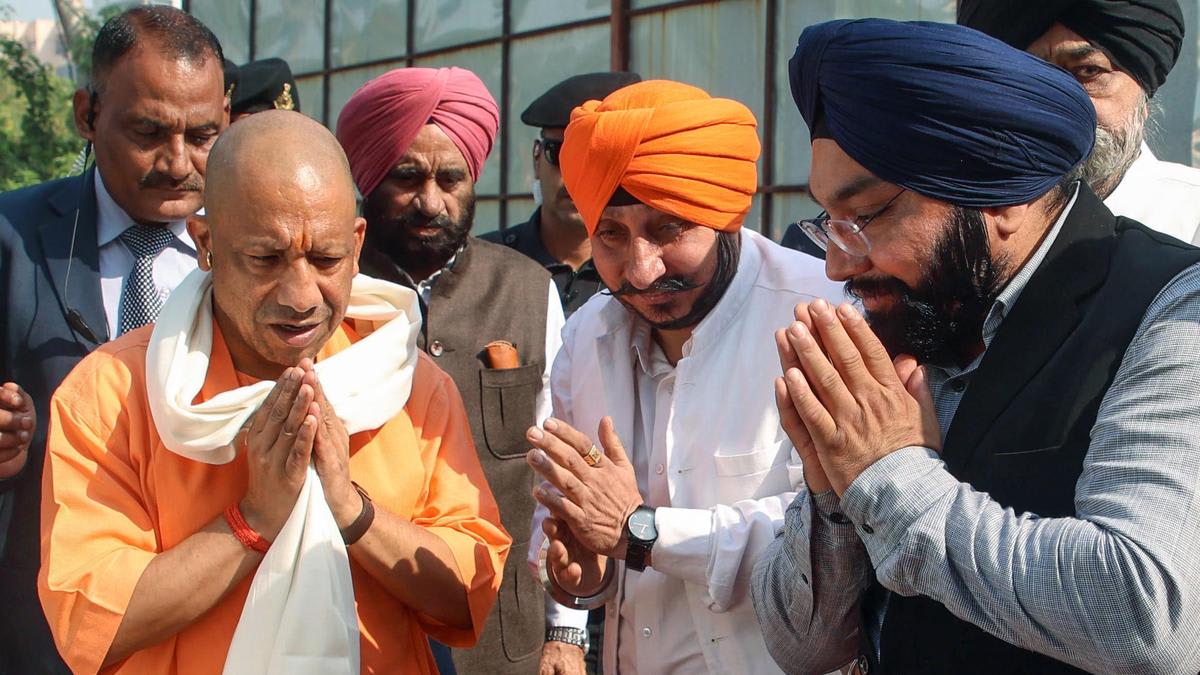
Uttar Pradesh CM Yogi Adityanath honored the 557th Prakash Parv of Guru Nanak Dev Ji in Lucknow. He emphasized that the Sikh Gurus' legacy of sacrifice and unity remains essential to India's national strength.
Honoring the Legacy of Guru Nanak Dev Ji
On November 24, 2026, Uttar Pradesh Chief Minister Yogi Adityanath addressed a gathering in Lucknow to commemorate the 557th Prakash Parv of Sahib Shri Guru Nanak Dev Ji. The event served as a platform to reflect on the profound influence of the Sikh Gurus, whose lives and teachings have historically anchored the socio-cultural identity of India. By emphasizing the significance of this milestone, the Chief Minister underscored the government's commitment to acknowledging the spiritual contributions of Sikhism to the national fabric.
The Pillars of National Unity
During his address, CM Adityanath articulated that the sacrifice, penance, and martyrdom of the Sikh Gurus represent an 'invaluable treasure' for the nation. This perspective positions the Sikh tradition not merely as a religious institution, but as a foundational pillar of India’s national unity and social harmony. By framing these values as essential to the country's collective pride, the Chief Minister highlighted how the historical resilience of the Sikh community continues to serve as a moral compass for modern Indian society.
The Timeless Relevance of 'Ek Onkar'
Central to the discussion was the philosophy of 'Ek Onkar,' the foundational concept of oneness propagated by Guru Nanak Dev Ji. Adityanath noted that this message of universal humanity is as relevant today as it was during the 15th century. In a world often polarized by identity politics and social fragmentation, the teachings of equality and service inherent in Sikh philosophy are presented as necessary antidotes to contemporary challenges, promoting a vision of a unified nation that transcends sectarian divides.
Beyond Ceremonial Observance
One of the most critical takeaways from the Chief Minister's speech was the call to move beyond ritualistic celebrations. Adityanath urged citizens to transition from merely observing events to actively imbibing the teachings of the Gurus in their daily lives. This call to action emphasizes a pedagogical approach to cultural heritage, where the values of selfless service (Seva) and truth are integrated into the character development of the younger generation, ensuring that the legacy remains a living practice rather than a static historical memory.
A Shield Against External Threats
Perhaps the most striking aspect of the Chief Minister's statement was the assertion that India remains protected from harm as long as it maintains reverence for its spiritual roots, specifically the Sikh Gurus. This rhetoric connects cultural integrity with national security, suggesting that internal social cohesion—rooted in the respect for diverse spiritual traditions—acts as a primary defense against external destabilization. By linking spiritual consciousness to national sovereignty, the address reinforces the idea that cultural pride is an inextricable component of a secure state.
Future Implications for Social Cohesion
Looking forward, the emphasis on integrating these teachings into the lives of the youth suggests a broader trend in Indian policy where historical and spiritual figures are leveraged to foster a shared national identity. As India continues to navigate the complexities of a globalized era, the state appears to be doubling down on the promotion of indigenous philosophical frameworks to maintain social stability. The continued reverence for the Sikh Gurus, as advocated by leadership, reflects a strategic effort to harmonize modern governance with the deep-seated spiritual heritage of the Indian subcontinent.
Verification Required?