Yogi invokes Masuriyadin, hits out at Congress over freedom struggle legacy
Source Entity
Latest News: Todays Latest News Headlines from India & World | Hindustan Times | Hindustan Times
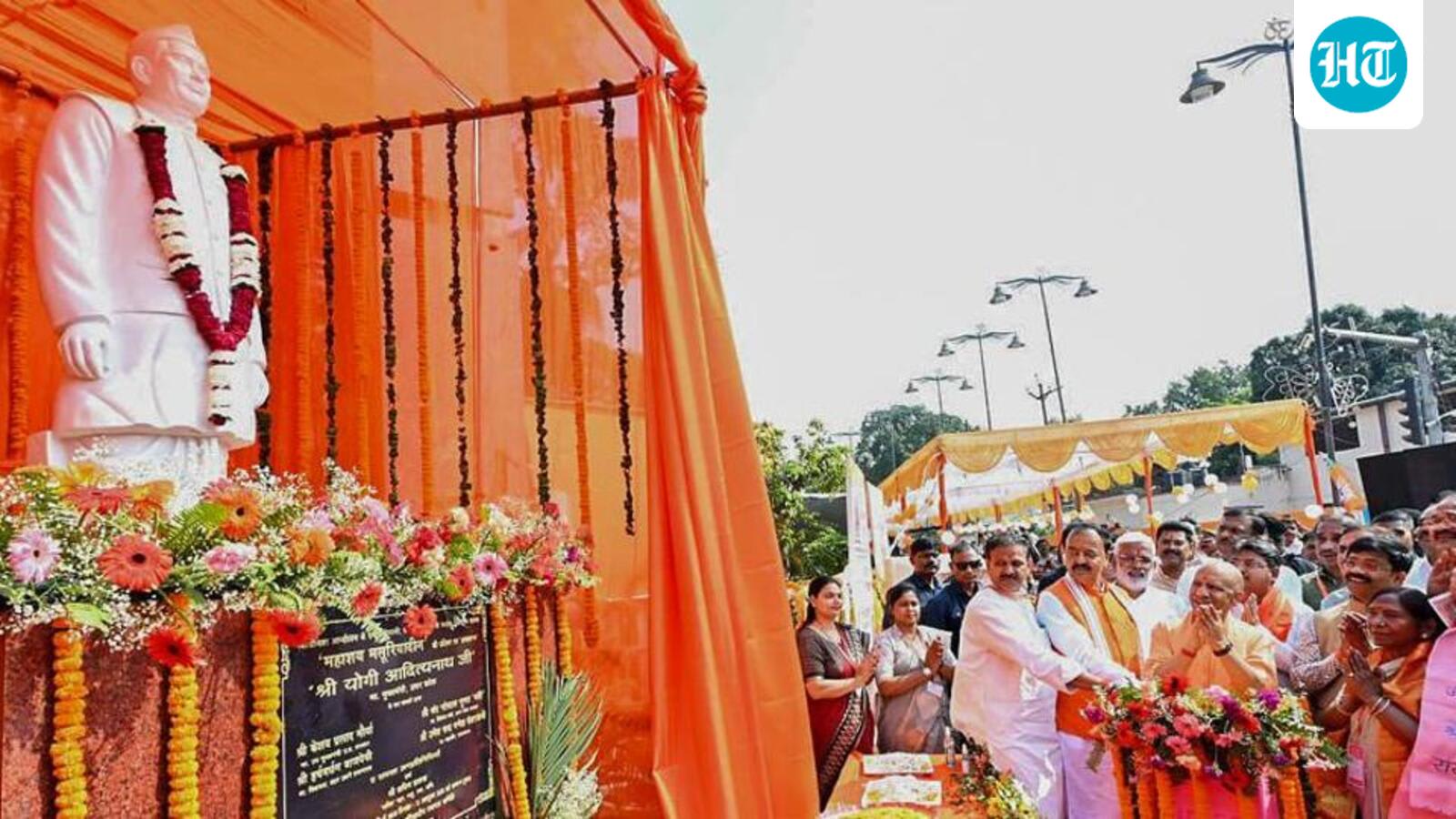
UP CM Yogi Adityanath invoked Dalit freedom fighter Masuriyadin Pasi in a critique of Rahul Gandhi's narrative on the freedom struggle. The event in Prayagraj signals a strategic attempt to reclaim Dalit historical figures ahead of the 2027 UP assembly elections.
Rethinking History: The Political Significance of Masuriyadin Pasi
In a pointed critique directed at Leader of Opposition Rahul Gandhi, Uttar Pradesh Chief Minister Yogi Adityanath recently challenged the Congress party’s narrative regarding the Indian freedom struggle. Speaking in Prayagraj, Adityanath asserted that historical honor is not the exclusive property of the Nehru-Gandhi family, citing the sacrifices of Masuriyadin Pasi, a Dalit freedom fighter from the Pasi community, as evidence that the fight for independence involved a broader, more diverse spectrum of leaders.
Historical Context and Forgotten Contributions
Masuriyadin Pasi, who served as a four-time Congress MP and was co-elected from Phulpur alongside Jawaharlal Nehru in 1952 and 1957, spent nine years of his life incarcerated for the cause of independence. By highlighting that Masuriyadin dedicated his life to both the freedom struggle and the education of scheduled castes, the Chief Minister is attempting to reposition a historical figure who has largely faded from mainstream national discourse. This act of unveiling a statue in Teliarganj serves to underscore that the contribution of the Dalit community to India's sovereignty was significant and distinct.
The Strategy of Dalit Outreach
Political analysts view the elevation of Masuriyadin’s legacy as a strategic maneuver by the BJP ahead of the 2027 Uttar Pradesh assembly elections. By championing a leader who was historically aligned with the Congress but has been overlooked by the party’s current leadership, Adityanath seeks to dismantle the Congress’s claim to being the sole custodian of the freedom movement. This narrative shift aims to appeal to the Dalit vote bank, specifically the Pasi community, by framing the BJP as the party that restores dignity to 'forgotten' icons.
Challenging the Congress Narrative
Adityanath’s comments directly target Rahul Gandhi’s frequent references to his ancestors' sacrifices. By juxtaposing Nehru’s imprisonment with that of Masuriyadin’s, the Chief Minister is attempting to broaden the historical lens to include the 'deprived sections' of society. This strategy is designed to create a dichotomy between the perceived elitism of the Congress leadership and the grassroots activism of leaders like Masuriyadin.
Broader Implications and Future Trends
This event is indicative of a broader trend in Indian politics where historical iconography is increasingly weaponized for electoral gains. As the 2027 UP assembly elections approach, we can expect to see an intensification of this 'statue politics' and a continued effort by the ruling party to reclaim historical figures who resonate with specific caste identities. The focus on Masuriyadin is likely just the beginning of a larger campaign to reshape the historical memory of Uttar Pradesh voters, effectively linking the current administration's development agenda with the legacy of community-specific freedom fighters.
Conclusion
Ultimately, the unveiling of Masuriyadin Pasi’s statue in Prayagraj is more than a mere commemoration; it is a calculated political statement. By shifting the focus of the freedom struggle toward a Dalit leader, Chief Minister Adityanath is attempting to reshape the political landscape, challenging the Congress party’s historical legitimacy while simultaneously courting a vital voting demographic in one of India's most politically significant states.
Multiple Citing Sources
Verification Required?