No Trilateral Peace Talks Before Elections In Russia: Zelensky
Source Entity
NDTV News Search Records Found 1000
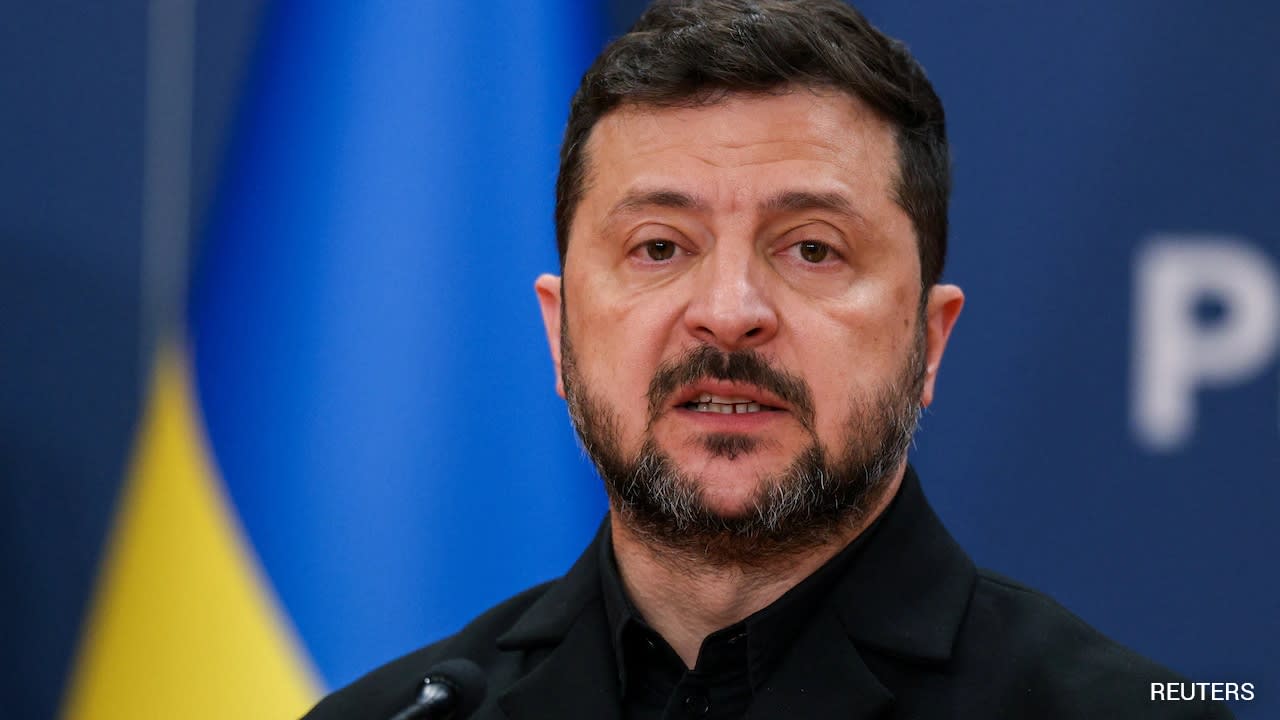
President Volodymyr Zelensky has officially ruled out trilateral peace talks regarding the war in Ukraine until after the upcoming Russian elections. This decision signals a continued stalemate in diplomatic efforts as both nations remain entrenched in their respective positions.
Stalled Diplomacy: Zelensky Rejects Pre-Election Peace Talks
Ukrainian President Volodymyr Zelensky has firmly declared that no trilateral meetings aimed at resolving the ongoing conflict will take place before Russia’s upcoming elections. This announcement underscores the current diplomatic impasse between Kyiv and Moscow, as both sides appear to be waiting for shifts in political landscapes before engaging in high-level negotiations.
The Strategic Rationale
By explicitly linking the timeline of potential peace talks to the Russian electoral cycle, Zelensky is signaling that the current environment is not conducive to meaningful dialogue. Historically, wartime diplomacy often stalls during sensitive domestic political periods in participating nations. For Ukraine, engaging in trilateral talks—which would likely involve international intermediaries—during the fervor of a Russian election cycle presents a risk of being used for political theater rather than substantive conflict resolution.
Impact on International Mediation
Trilateral peace frameworks often rely on the participation of neutral third parties or international organizations to bridge the divide between belligerents. However, Zelensky’s stance indicates that Kyiv perceives current diplomatic channels as ineffective under the present Russian leadership. This rejection suggests that Ukraine is prioritizing its current military and strategic objectives over premature diplomatic concessions that may not yield long-term security guarantees.
Historical Context and Expectations
The war in Ukraine has been defined by a lack of sustained, productive diplomatic engagement since the early stages of the conflict. Previous attempts at negotiations have often failed due to fundamental disagreements over territorial integrity and security architecture. By setting this boundary, Zelensky is managing international expectations, essentially informing global partners that the path to peace remains blocked until a new political reality emerges in the Kremlin.
Future Trends and Outlook
Looking ahead, the international community should expect a continued focus on battlefield developments rather than diplomatic breakthroughs in the immediate term. The decision to postpone talks until after the Russian elections suggests that Kyiv is preparing for a protracted conflict. Future peace initiatives will likely remain dormant until the post-election period, at which point the strategic calculus for both Moscow and Kyiv may shift, potentially creating a new opening for dialogue.
Conclusion
In summary, President Zelensky's announcement acts as a clear indicator that the diplomatic status quo will persist for the foreseeable future. While the international community continues to push for a peaceful resolution, the Ukrainian leadership remains cautious, refusing to engage in processes that they believe lack the necessary conditions for a fair and lasting peace.
Verification Required?