Zohran Mamdani’s Amazon regulation loses support as NYC councilman fears job losses
Source Entity
TOI TECH DESK
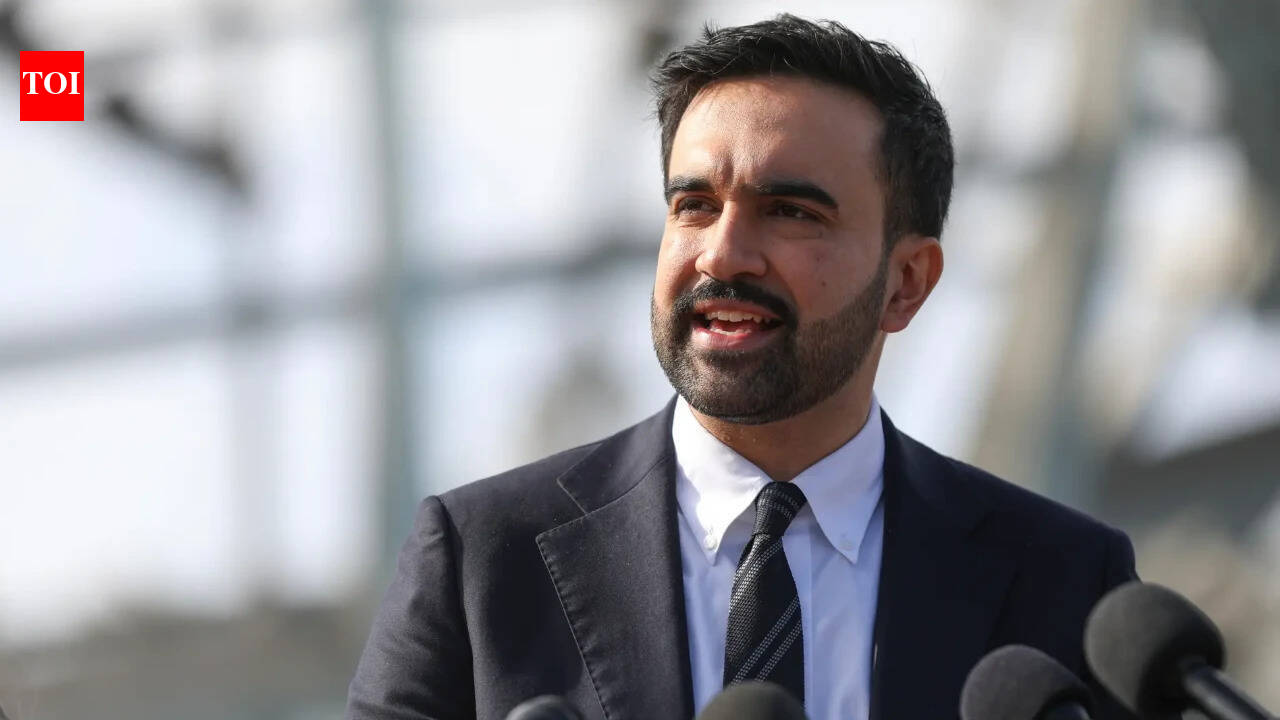
Councilman Phil Wong has withdrawn his support for the Delivery Protection Act, citing potential economic risks. The bill, championed by Zohran Mamdani, faces scrutiny over fears that mandated full-time employment could lead to job losses and business closures.
The Shifting Landscape of NYC Labor Regulation
The recent decision by New York City Councilman Phil Wong to withdraw his endorsement of the Delivery Protection Act marks a significant pivot in the ongoing debate over labor practices within the city’s gig economy. The legislation, promoted by Zohran Mamdani as a 'common sense regulation,' seeks to fundamentally alter how major delivery platforms operate by requiring companies to transition from a subcontractor-based model to one of full-time employment. However, this policy shift has encountered resistance as local representatives weigh the benefits of worker security against the potential for economic disruption.
The Economic Argument Against Mandated Employment
Councilman Wong’s primary concern centers on the potential for retaliatory business moves, specifically referencing the possibility of Amazon scaling back operations or shuttering local facilities. The fear is that by imposing rigid employment mandates on companies that rely heavily on the flexibility of independent contractors, the city may inadvertently trigger a wave of job losses. This reflects a broader tension in urban policy: the desire to protect workers’ rights versus the risk of driving major logistics players out of a high-cost market like New York City.
Labor Rights vs. Operational Flexibility
The Delivery Protection Act represents an attempt to provide stability to a workforce that has historically lacked the benefits associated with traditional full-time employment, such as healthcare and retirement contributions. Proponents argue that the current subcontractor model exploits workers, while opponents, now including figures like Councilman Wong, argue that the legislative approach is too blunt. By forcing a specific employment structure, the bill risks ignoring the operational realities that allow platforms to maintain rapid delivery speeds and low costs for consumers.
Broader Implications for NYC Logistics
The implications of this legislative struggle extend far beyond a single bill. If the Delivery Protection Act were to pass, it could serve as a national bellwether for how cities regulate the 'gig economy.' Conversely, if the bill fails or is significantly diluted due to political pressure, it signals that the economic influence of major delivery firms remains a formidable barrier to progressive labor reform in New York City. The withdrawal of support from a key council member suggests that the political consensus required to regulate entities like Amazon is becoming increasingly fragile.
Future Trends in Urban Labor Policy
Looking forward, the discourse surrounding this act highlights a growing divide in local politics regarding the future of work. Future trends will likely involve more nuanced legislative attempts that seek to find a middle ground—perhaps through portable benefit models or updated definitions of worker classifications—rather than the binary choice of contractor versus employee. As the city continues to grapple with the economic impact of e-commerce, the balance between protecting delivery workers and maintaining a business-friendly environment will remain a central, contentious issue in municipal governance.