Swiggy-Zomato deliveries ‘for anyone who needs’, medicine stalls at Jantar Mantar as CJP support swells after crackdown
Source Entity
Latest News: Today's Latest News Headlines from India & World | Hindustan Times | Hindustan Times
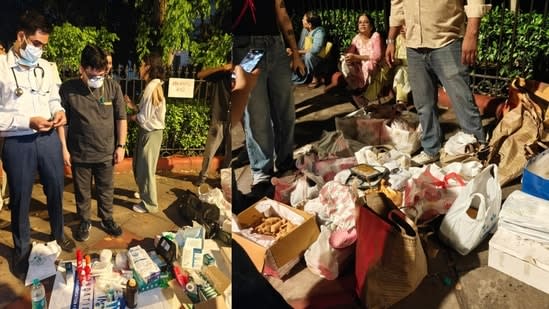
Protestors at Jantar Mantar demanding the resignation of Education Minister Dharmendra Pradhan over NEET-UG 2026 irregularities are receiving widespread support. Internet strangers are using delivery platforms like Zomato and Swiggy to send meals, while local volunteers maintain cleanliness at the site.
The Digital Mobilization of Protest Support
The ongoing agitation at Jantar Mantar, led by the Cockroach Janta Party (CJP), has evolved into a significant display of decentralized digital activism. Protesting against alleged irregularities in the NEET-UG 2026 examination, demonstrators are demanding the resignation of Education Minister Dharmendra Pradhan. What began as a localized sit-in has gained national attention, characterized by a unique phenomenon where internet users from across India are utilizing food delivery platforms such as Zomato and Swiggy to provide sustenance to those on the front lines.
The Logistics of Solidarity
This movement is defined by its logistical ingenuity. Viral videos have captured delivery partners navigating adverse weather conditions, including heavy rain, to deliver pre-paid meals to the protest site. In one notable instance, a delivery driver confirmed that a customer based in Mumbai had placed an order specifically for students demonstrating in Delhi. This cross-geographical support underscores a shift in how modern protests are sustained, moving beyond local community funding to a model where digital connectivity bridges the gap between sympathetic observers and active participants.
Sustaining the Dharna: Beyond Food
Beyond the influx of food, the protest site has become a hub of community-driven maintenance. Volunteers like Suhail Khan and Pramod Pal have taken it upon themselves to ensure the hygiene of the Jantar Mantar area, performing manual labor such as clearing clogged drains. This commitment to 'seva'—or selfless service—reflects a deep sense of civic responsibility among the participants, who view the protest space as a shared national site that deserves respect and cleanliness regardless of the political friction occurring within its borders.
Contextualizing the NEET-UG 2026 Conflict
The intensity of the protest, now entering its second month, centers on the integrity of the NEET-UG 2026 examination. The demand for Minister Dharmendra Pradhan’s resignation highlights the gravity of the allegations surrounding the paper leak. The swelling support from actors, community leaders, and the general public indicates that the issue has transcended academic circles and has become a broader symbol of accountability within the Indian education system.
Implications and Future Trends
This event sets a precedent for how future public demonstrations might be organized. The integration of commercial delivery infrastructure into protest logistics provides a blueprint for sustaining long-term occupations. As long as the CJP remains at Jantar Mantar, the reliance on digital strangers for food and the emphasis on volunteer-led site maintenance suggest a resilient, self-organized movement that is difficult to disrupt through traditional means. The continued visibility of these deliveries on social media serves as a powerful tool for maintaining public interest in the cause.
Conclusion
The convergence of digital-age convenience and traditional grassroots activism at Jantar Mantar paints a compelling picture of modern Indian political expression. By leveraging globalized delivery platforms to support local demands for educational reform, the CJP protestors have created a sustainable model of resistance. As the protest continues, the intersection of technological support and manual volunteerism will likely remain the backbone of their efforts to hold government officials accountable.
Multiple Citing Sources
Verification Required?