Amazon-owned Zoox’s 100-robotaxi limit in Nevada is about to disappear
Source Entity
Kirsten Korosec
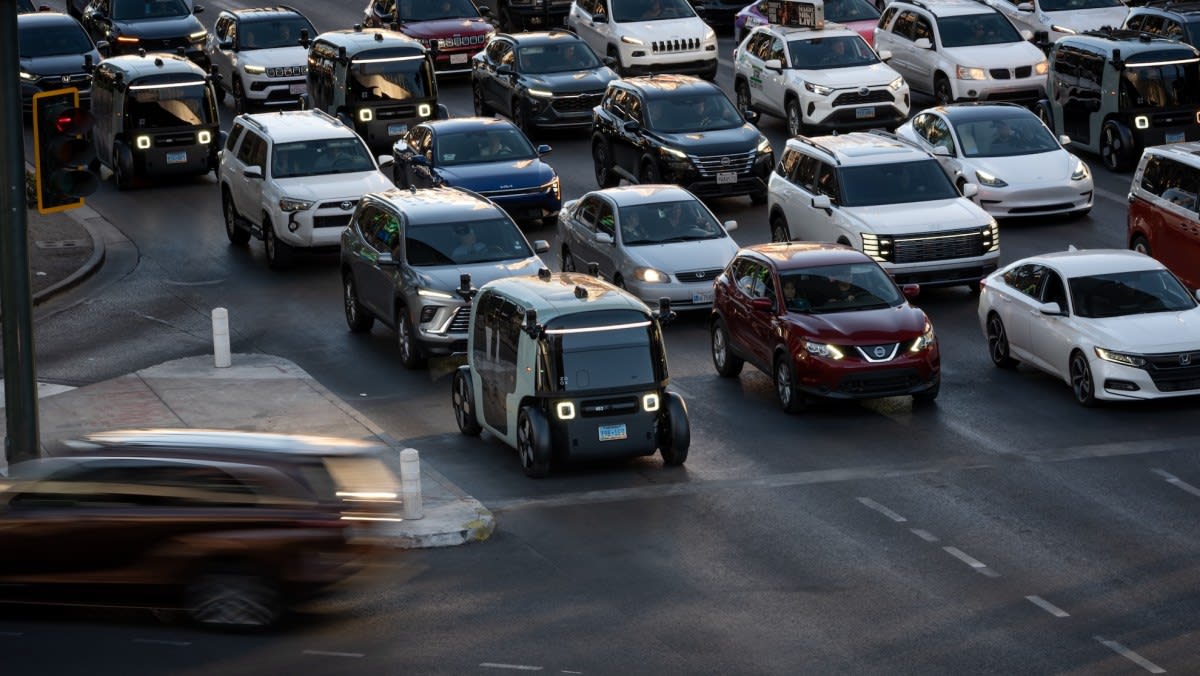
Amazon's Zoox is set to remove its 100-vehicle cap for robotaxis in Las Vegas as its Nevada permit expires this September. This regulatory shift allows for fleet expansion amid intensifying competition from rivals like Waymo, Tesla, and Uber.
The Evolution of Autonomous Transport in Las Vegas
The landscape of autonomous ride-hailing in Nevada is undergoing a pivotal shift as the Nevada Transportation Authority (NTA) prepares to let the 100-vehicle cap on Amazon-owned Zoox’s robotaxi fleet expire on September 25. This regulatory milestone marks a departure from the cautious, incremental testing phase that has defined the early years of autonomous vehicle (AV) deployment, signaling a transition toward broader commercial scalability.
Strategic Implications of Regulatory Flexibility
For Zoox, the removal of the vehicle cap is not merely a bureaucratic update; it provides the operational agility required to compete in one of the most aggressive testing grounds for autonomous technology. While the company will not immediately flood the streets of Las Vegas with hundreds of vehicles, the elimination of this ceiling removes a significant barrier to entry for scaling operations based on demand, fleet maintenance cycles, and infrastructure readiness.
The Competitive Landscape
This regulatory easing arrives at a critical juncture for the industry. Las Vegas has rapidly become the primary battleground for AV companies, with Waymo recently launching its commercial robotaxi service in the city. The presence of established players, combined with the entry of ride-hailing giants like Uber and the autonomous ambitions of Tesla, necessitates that Zoox remains nimble. The ability to scale its custom-built fleet independently of a specific numerical constraint is a vital strategic advantage in maintaining market share.
Custom-Built Engineering vs. Retrofitted Fleets
Unlike many competitors who utilize retrofitted consumer vehicles, Zoox distinguishes itself through its custom-built robotaxi design, which lacks traditional driver controls. This unique engineering approach requires a different regulatory and operational framework. As the NTA permits evolve, Zoox’s ability to deploy its specific vehicle architecture without the burden of a numerical cap allows them to prove the safety and efficiency of their purpose-built model at a larger scale.
Future Trends and Urban Mobility
Looking ahead, the expiration of this permit is a bellwether for how urban centers will regulate the future of transit. As cities become more comfortable with the presence of AVs, we can expect a shift from rigid numerical caps toward performance-based regulation. The outcome of Zoox’s expansion in Las Vegas will likely serve as a case study for other municipalities, demonstrating whether a higher density of autonomous vehicles can successfully coexist with traditional traffic and public transit systems.
Conclusion
The removal of the 100-vehicle constraint on Zoox is a testament to the maturing relationship between technology developers and state regulators. As the company moves into this next phase of growth, the real-world performance of its fleet in the competitive Nevada market will be essential in determining the long-term viability of the autonomous ride-hailing business model in a post-pilot, commercial environment.