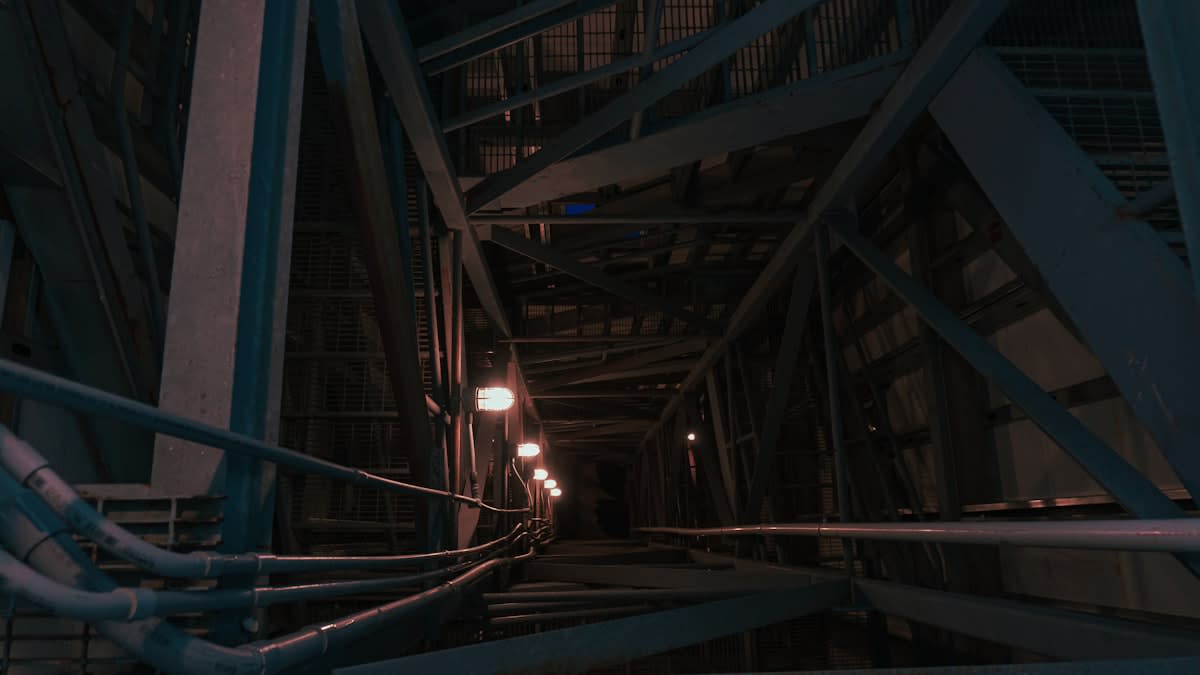
Robots freeze. Thermal stress destroys standard electronics. Locus Robotics had to deploy specific hardware modifications for HelloFresh to keep the Locus Origin platform running in chilled zones. This move pushed chilled SKU capacity from 100 to 500.
Hardware Prerequisites
- Thermal-hardened chassis for cold-chain automation
- Domestic manufacturing hubs to minimize transit lag (e.g., Texas-to-Kentucky loops)
- Industrial zoning for massive footprints exceeding 400,000 square meters
- Human procurement agents capable of risk-based judgment over AI-generated cost lists
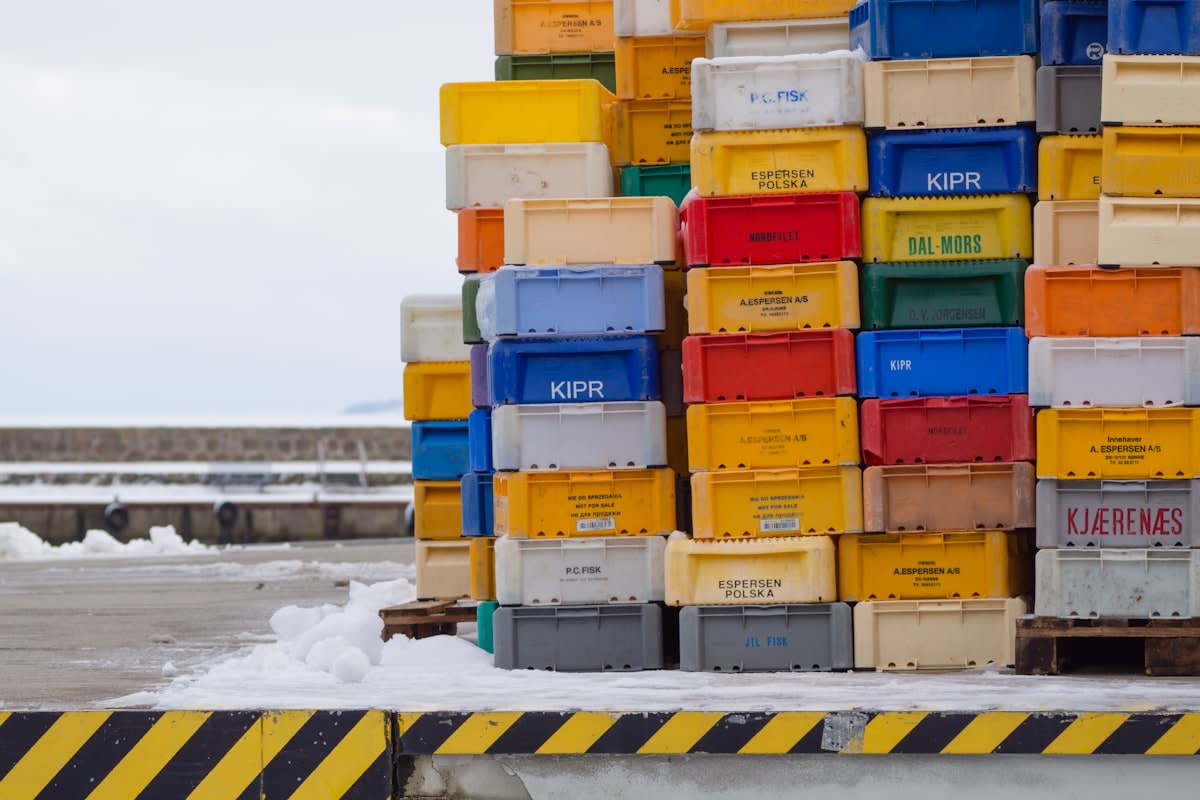
Texas heat mirrors the cold in its intensity. Waaree Solar Americas is pumping 236.22 MW of modules from Brookshire for a Kentucky project. Local manufacturing cuts the distance between the factory floor and the utility grid.
Scaling the gear is useless if you cannot build it locally.
Field-Tested Implementation Steps
- Modify hardware for environmental extremes. Locus Robotics proved that standard AMR platforms fail in chilled storage without specific mods to expand SKU variety.
- Secure domestic supply lines. Waaree Solar's use of a Texas facility for Kentucky projects avoids the volatility of overseas shipping.
- Expand the physical footprint incrementally. Sigenergy's Phase II in Nantong targets a total base of 400,000 square meters to meet global energy storage demands.
- Overlay AI with human judgment. Use agentic AI to flag supply chain gaps, then employ human procurement experts to translate those flags into risk mitigation investments for finance teams.
- Implement Managed Aquifer Recharge (MAR). Divert high flows for infiltration to buffer hydrologic extremes in irrigated lands.
HelloFresh SKU Capacity Growth via Automation
Executive Insight
+18.4%
YTD Growth
Physical assets require a brain that understands more than just a spreadsheet. Procurement teams often deploy AI but fail to wield it. True operational success happens when a human frames a higher-cost supplier as a risk hedge rather than a budget leak.
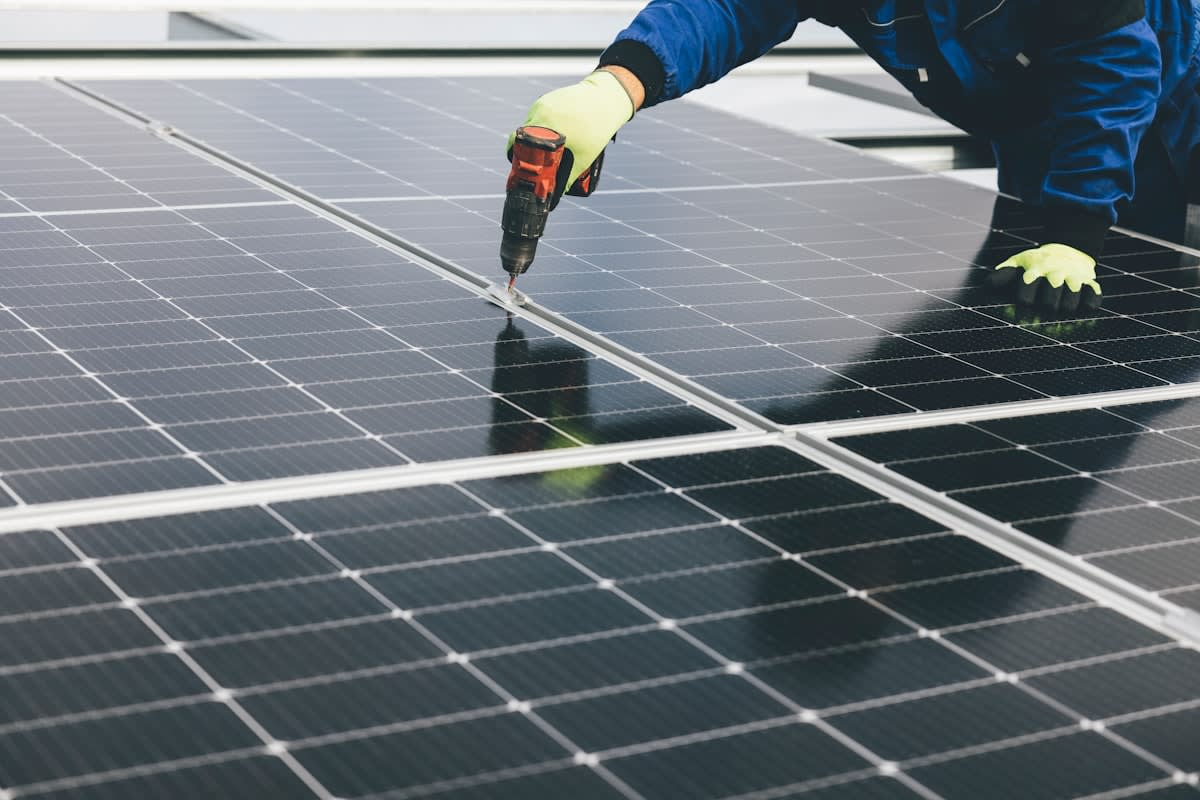
Resource scarcity eventually breaks even the smartest supply chain.
Water Resource Realities
Water vanishes. Managed Aquifer Recharge (MAR) tries to put it back. Europe and Southeast Asia can offset over 50% of unsustainable irrigation. Contrast that with the Ganges basin where the potential drops to 3-7%.
| Region | MAR Irrigation Offset Potential |
|---|---|
| Europe / Southeast Asia | >50% |
| Global Average | 4-6% |
| Ganges / Central Valley | 3-7% |
The Human Factor
AI in procurement is a tool for narrative, not a replacement for judgment. If you cannot explain to a CFO why a more expensive supplier is safer, the AI's insight is worthless.
Common Pitfalls
Operational friction usually stems from ignoring local physics. Assuming a robot that works in a dry warehouse will work in a chilled one is a recipe for downtime. Similarly, expecting uniform water recharge rates across different basins ignores the geological reality of the Ganges versus Europe.
"HelloFresh is scaling one of the most demanding fulfillment models in the market: high volume, high variety, and temperature-controlled from start to finish."— Jasmine Lombardi, Locus Robotics