The New Era of Benthic Intelligence
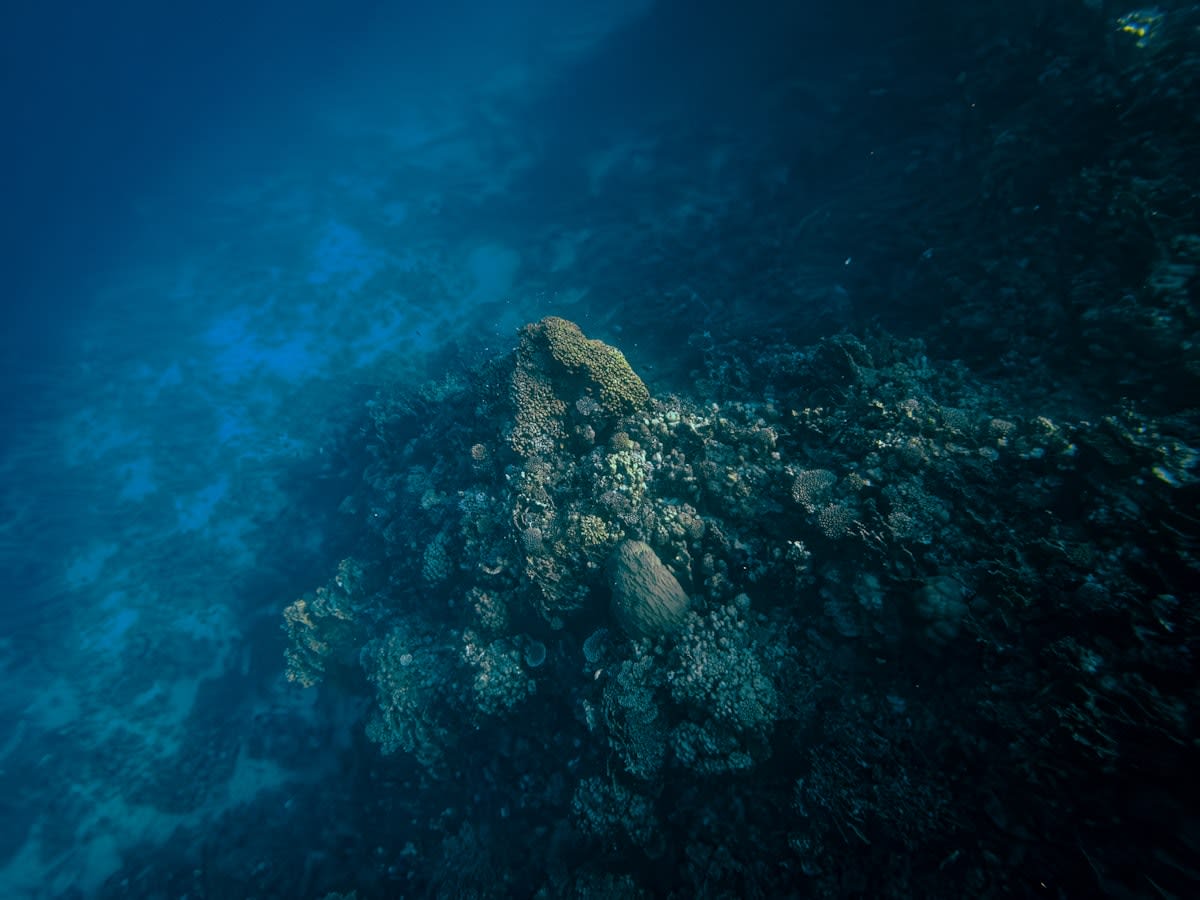
The deep ocean has long been treated as a silent, static void, a place of crushing pressure and eternal darkness where life was thought to be sparse and sluggish. That narrative is dead. In the last twelve months, the pace of discovery has shifted from a trickle to a flood, as a new generation of exploration technology strips away the veil of the abyss. We are no longer just guessing what exists in the midnight zone; we are watching it in high definition, documenting behaviors and species that defy previous biological assumptions.
The scale of this shift is staggering. In a single year, scientists documented 866 previously unknown marine species. This is not a gradual increase; it is a vertical spike in data acquisition. These discoveries span the entire biological spectrum, from microscopic plankton and elusive invertebrates to bioluminescent fish and rare coral systems. The sheer volume of new life forms being cataloged suggests that our previous estimates of ocean biodiversity were not just conservative—they were fundamentally wrong.
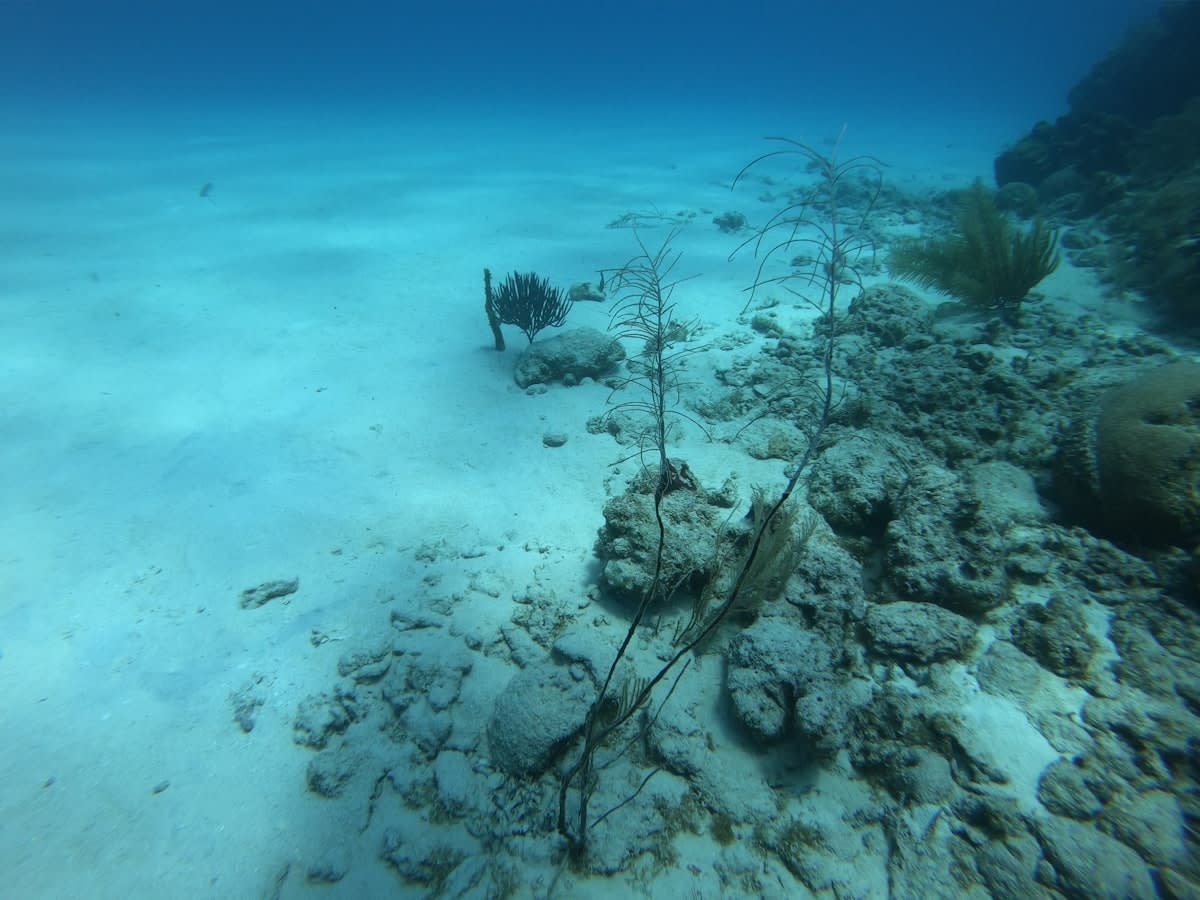
Why now? The delta between today's discoveries and those of a decade ago lies in the synergy of three specific technologies: high-resolution imaging, advanced genetic analysis, and the deployment of sophisticated Remotely Operated Vehicles (ROVs). We have moved past the era of blind dredging, where scientists pulled up crushed specimens in nets and hoped to identify them. Today, we deploy precision instruments that can hover centimeters from a fragile coral or track a colossal squid in its natural habitat without disturbing the environment.
The SuBastian Effect: Precision in the Deep
Central to this awakening is the ROV SuBastian, a workhorse of the deep that has been instrumental in recent expeditions across the globe. By providing a stable, high-definition window into the abyss, SuBastian has allowed researchers to map biodiversity with surgical precision. From the coast of Brazil to the frigid waters of the Southern Ocean, this technology is turning the seafloor into a legible map. The results are not just anecdotal; they are quantifiable, providing a clear ledger of how life clusters around geological anomalies.
| Expedition | Location | Year | ROV Used | Key Outcome |
|---|---|---|---|---|
| South Atlantic Midwater Survey | Brazil Coast | 2025 | SuBastian | 31 New Species |
| South Sandwich Islands | Southern Ocean | 2025 | SuBastian | First live colossal squid footage |
| Bathelia Reef Expedition | Argentine Sea | 2026 | SuBastian | 28 New Species |
| Nazca Ridge Seamounts | Chile Coast | 2024 | SuBastian | Discovery of Seamount KW-14176 |
Looking at the data, the pattern is clear: wherever the ROV SuBastian is deployed, the biological census expands. The discovery of 31 new species off the coast of Brazil and 28 in the Argentine Sea during the Bathelia Reef Expedition proves that biodiversity is not concentrated in a few 'hotspots' but is distributed across the global seafloor in complex, untapped pockets. The Southern Ocean expedition was perhaps the most symbolic, capturing the first live footage of the colossal squid, a creature that had transitioned from a biological myth to a documented reality.
The Scale of the Unknown
Despite the surge in discoveries, scientists estimate that 99.999 percent of the deep ocean remains unexplored. We are currently documenting the first 0.001 percent of a vast, hidden world.
This technological leap has also enabled us to explore environments that were previously considered impenetrable. Deep ocean trenches and hydrothermal vents are no longer just points of curiosity; they are laboratories for understanding the limits of life. In these extreme zones, conditions that would be lethal to most terrestrial life are not just tolerated—they are leveraged. The organisms found here use chemical energy rather than sunlight, forcing a complete rethink of the energy requirements for complex life.
The Nazca Ridge and the Architecture of Isolation
One of the most significant geological finds of 2024 occurred along the Nazca Ridge off the coast of Chile. The discovery of seamount KW-14176 is a masterclass in how geography dictates biology. This underwater mountain covers approximately 70 square kilometers and rises more than 3,100 meters from the surrounding seafloor, with a summit depth of 994 meters. Such a massive structure does not just sit in the water; it actively reshapes the ocean around it.
Why does a seamount matter? These formations act as biological oases in the abyssal desert. By disrupting deep-sea currents, seamounts force nutrient-rich waters upward, creating a localized surge in productivity. This attracts a cascade of life, from deep-sea corals to predatory fish, effectively creating an island of biodiversity in the middle of the ocean. The documentation of biodiversity on KW-14176 suggests that there may be thousands of similar 'islands' across the global ocean, each potentially hosting its own endemic species.
"The discovery of these seamounts transforms our map of the ocean from a flat plain into a complex landscape of peaks and valleys, each serving as a sanctuary for life we didn't know existed."— Deep-Sea Research Lead
The implication of these findings is a shift in how we perceive environmental resilience. These species have evolved to survive in some of the most hostile conditions on Earth, adapting to extreme pressure and fluctuating temperatures. By studying these organisms, we are uncovering the genetic blueprints for survival in extreme environments. This isn't just about curiosity; it's about understanding the fundamental boundaries of biology.
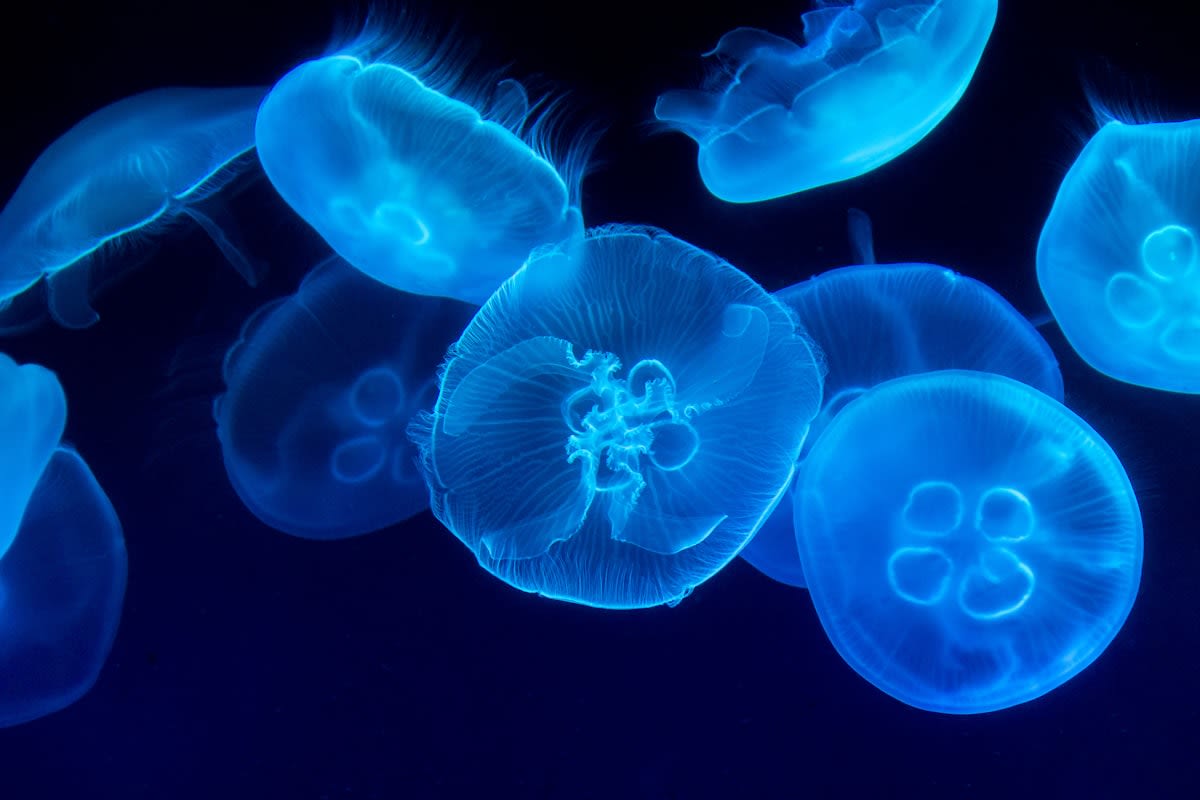
As we integrate genetic analysis with visual data, we are finding that many of these species play critical roles in the global ecosystem. Microscopic plankton and deep-sea invertebrates are not just passive residents; they are active participants in the carbon cycle, sequestering carbon from the atmosphere and locking it away in the deep ocean. The discovery of 866 new species in a year provides a more accurate picture of the ocean's capacity to regulate the planet's climate.
From Discovery to Stewardship
The urgency of these discoveries is underscored by the fragility of the habitats being mapped. Many of these newly identified species live in remote environments like hydrothermal vents and deep-sea coral reefs—areas that are increasingly targeted for deep-sea mining and threatened by pollution. We are in a race against time: we are discovering these species at the exact moment their habitats are coming under industrial pressure.
However, the narrative is not one of inevitable loss, but of opportunity. The precision of current mapping allows for the creation of highly targeted marine protected areas. Instead of guessing where to protect, we can now pinpoint specific seamounts like KW-14176 or specific reef systems in the Argentine Sea. This data-driven approach to conservation ensures that the most biodiverse and ecologically critical zones are prioritized.
The awakening of the abyss is more than a scientific milestone; it is a psychological shift. For centuries, the deep ocean was the place where we sent things to be forgotten. Now, it is the place where we go to find the future of biological understanding. The resilience of the life forms we are finding—their ability to thrive in the dark, the cold, and the pressure—serves as a reminder of life's tenacity.
As we move into 2027, the focus will likely shift from simple identification to complex behavioral study. We have the list of species; now we need to understand their interactions. How does a bioluminescent fish in the South Atlantic communicate with its peers? How do the organisms of the Nazca Ridge migrate? The map is being drawn, and for the first time, the abyss is speaking back.