Malware uses LLMs to rank victims by how much they're worth
Source Entity
Hacker News
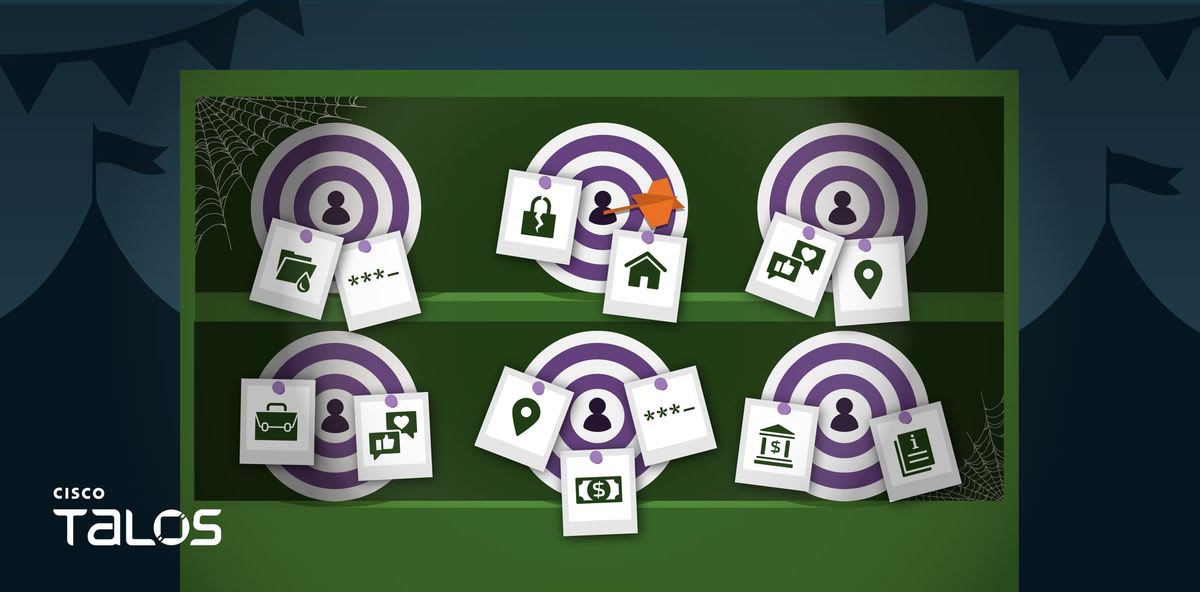
The VOLTA stealer malware leverages LLM integration to autonomously rank stolen assets by their financial value. By automating the triage of victim data, attackers can optimize monetization strategies without manual effort.
The Emergence of AI-Driven Asset Triage in Cybercrime
The cybersecurity landscape is undergoing a paradigm shift with the discovery of VOLTA, a sophisticated stealer implant that integrates Large Language Models (LLMs) to optimize the monetization of stolen data. Unlike traditional malware that requires manual inspection of exfiltrated files, VOLTA acts as an automated intelligence analyst. It processes credentials, session tokens, and cryptocurrency wallets to determine which victims offer the highest return on investment, marking a significant evolution in how threat actors handle large-scale data breaches.
The Mechanics of Automated Victim Ranking
The core innovation of VOLTA lies in its structured evidence bundle process. Once the malware successfully extracts sensitive data from a target machine, it does not simply exfiltrate a raw dump to a command-and-control server. Instead, it utilizes an AI-integration layer to analyze the contents of the stolen assets. By assigning a monetization value to specific accounts or wallets, the malware allows operators to prioritize high-value targets, effectively streamlining the transition from data theft to financial exploitation.
Overcoming Defensive Guardrails
One of the most concerning aspects of VOLTA is the inclusion of a three-model failover chain. When a primary LLM detects a malicious request and triggers its safety guardrails, the malware automatically pivots to alternative models to ensure the assessment is completed. This design confirms that the developers behind VOLTA have invested significant engineering effort into bypassing AI safety protocols, demonstrating a clear intent to weaponize generative AI for criminal data triage.
Operational Security and Evasion Tactics
VOLTA employs advanced operational security (OPSEC) measures, most notably its self-deleting capabilities and the total absence of attacker-owned infrastructure. By eliminating the need for a permanent command-and-control server, the malware minimizes its digital footprint, making detection and forensic analysis significantly more difficult. This 'serverless' approach to malware distribution and data processing represents a growing trend in malware development designed to evade traditional network-based security monitoring.
Broader Implications for Cybersecurity
The shift toward a 'cast a wide net, steal everything' methodology, coupled with AI-powered sorting, suggests that threat actors are moving away from targeted, labor-intensive campaigns. Instead, they are favoring automated, high-volume attacks that rely on AI to filter the 'noise' of mass data collection. As these tools become more accessible, we can expect to see an increase in incidents where the speed of monetization outpaces the speed of defensive response.
Future Trends and Defensive Outlook
As AI-driven malware continues to evolve, the distinction between standard data exfiltration and intelligent data analysis will continue to blur. Security teams must adapt by focusing on behavioral analytics that detect the process of AI-assisted triage rather than just the initial infection. Protecting against such threats will likely require a multi-layered defense strategy that monitors for unusual API calls to LLMs from compromised endpoints, effectively neutralizing the 'intelligence' layer of these advanced persistent threats.