Obstructionist forces trying to divide country, social media being used to spread rumours: PM
Source Entity
Aditi Raja
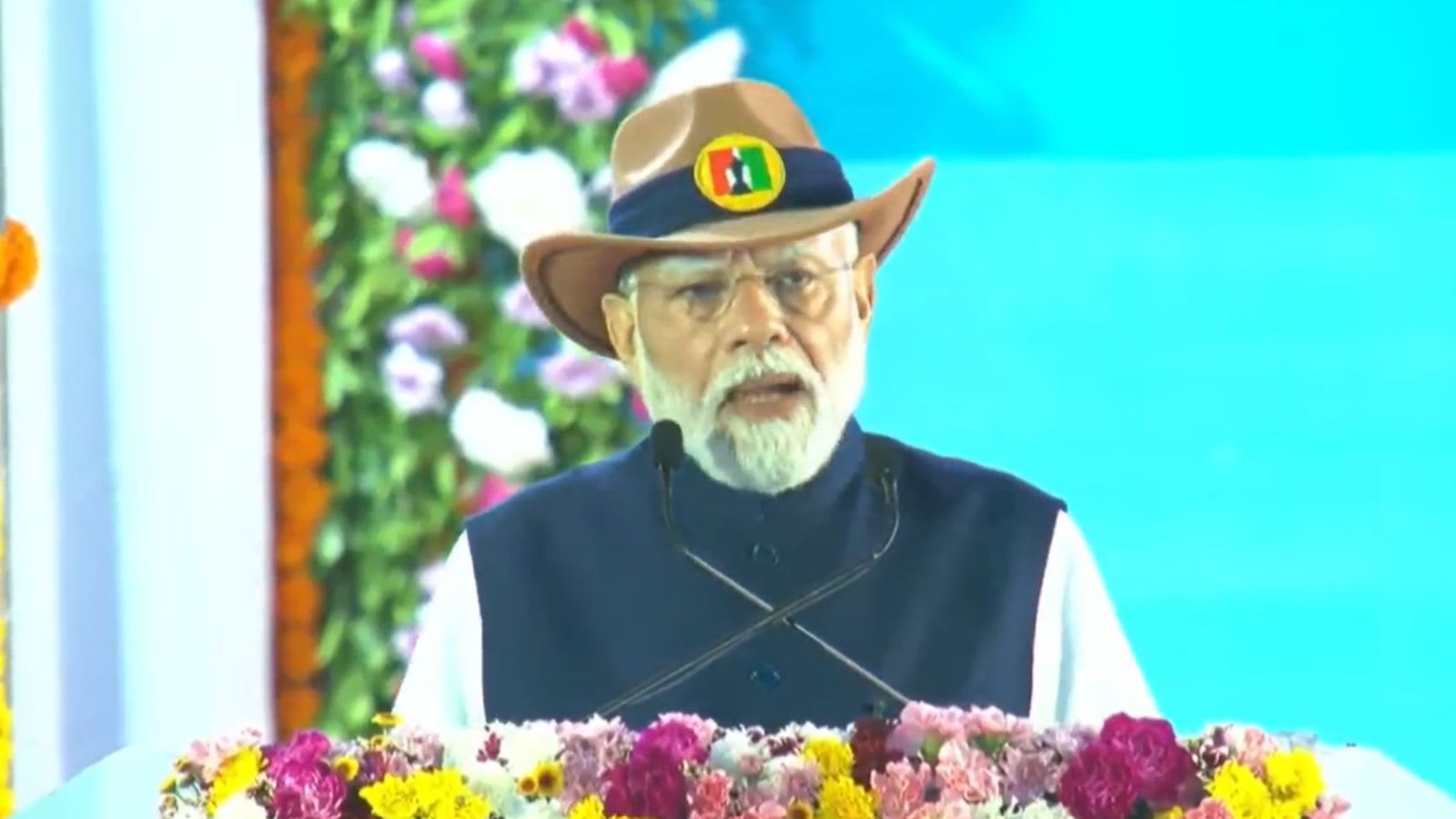
The INDIA bloc is staging a 'public impeachment' of CEC Gyanesh Kumar and a 'Chalo Dilli' march to protest alleged electoral irregularities. The opposition claims 13.2 crore voters were removed via the Special Intensive Revision (SIR) process.
The INDIA Bloc’s Mobilization Against the Election Commission
The Indian National Developmental Inclusive Alliance (INDIA) bloc has launched a significant political offensive against the Election Commission of India, specifically targeting Chief Election Commissioner (CEC) Gyanesh Kumar. The coalition has initiated a 'public impeachment' process, culminating in a major 'Chalo Dilli' march at Delhi’s Ramlila Maidan on November 1, 2026. This escalation marks a critical juncture in the relationship between the opposition and the constitutional body responsible for overseeing the nation’s democratic processes.
The Core Allegations and 'Public Impeachment'
The tension stems from six specific charges leveled by the opposition against the CEC. Central to these accusations is the claim that the Special Intensive Revision (SIR) of voter lists was manipulated to delete approximately 13.2 crore voters. The INDIA bloc alleges that this process was not a routine administrative update but a calculated effort to disenfranchise voters, accusing the CEC of conspiring with the ruling BJP and acting at the behest of Prime Minister Narendra Modi and Home Minister Amit Shah to facilitate 'vote chori' (vote theft).
Internal Dissent within the ECI
The gravity of these allegations is compounded by reports of internal friction within the Election Commission itself. According to reports cited by the opposition, other election commissioners, namely Sukhbir Singh Sandhu and Vivek Joshi, reportedly raised objections on record multiple times over the past 10 months regarding decisions related to the SIR process. These internal disagreements suggest that the implementation of the electoral roll revision was contentious, providing the opposition with significant ammunition to challenge the integrity of the process.
Logistical Hurdles and Political Narrative
The protest movement has faced various logistical challenges, including weather-related delays. The 'public impeachment' event, originally slated for Friday, was postponed to October 31 due to heavy rainfall in the national capital. Furthermore, Leader of the Opposition Rahul Gandhi has alleged that the Home Ministry attempted to impede the movement of supporters traveling to Delhi for the November 1 rally—a claim that the government has categorically rejected as a fabrication. These back-and-forth accusations highlight the deepening polarization surrounding the event.
Broader Implications for Indian Democracy
The decision by the INDIA bloc to hold a 'public impeachment'—a symbolic act rather than a formal parliamentary proceeding—reflects a strategic attempt to undermine public confidence in the neutrality of the Election Commission. By framing the SIR process as a systemic effort to steal elections, the opposition is looking to consolidate its base and pressure the government through mass mobilization at the Ramlila Maidan. This confrontation raises profound questions about the future of electoral oversight and the extent to which independent constitutional bodies can maintain perceived legitimacy under intense political scrutiny.
Conclusion: A Test of Institutional Credibility
As the INDIA bloc continues its protests, the focus remains on the specific demand for the resignation of CEC Gyanesh Kumar. The upcoming days will be critical in determining whether this pressure leads to any formal inquiry into the alleged 13.2 crore voter deletions or if it remains a purely political spectacle. Ultimately, this standoff between the opposition and the ECI serves as a reminder of the fragility of democratic institutions when electoral administrative processes become the primary battleground for political survival and power.
Multiple Citing Sources