Delhi: INDIA Bloc Leaders Gather For Public Impeachment Program Against CEC Gyanesh Kumar
Source Entity
Latest News: Todays Latest News Headlines from India & World | Hindustan Times
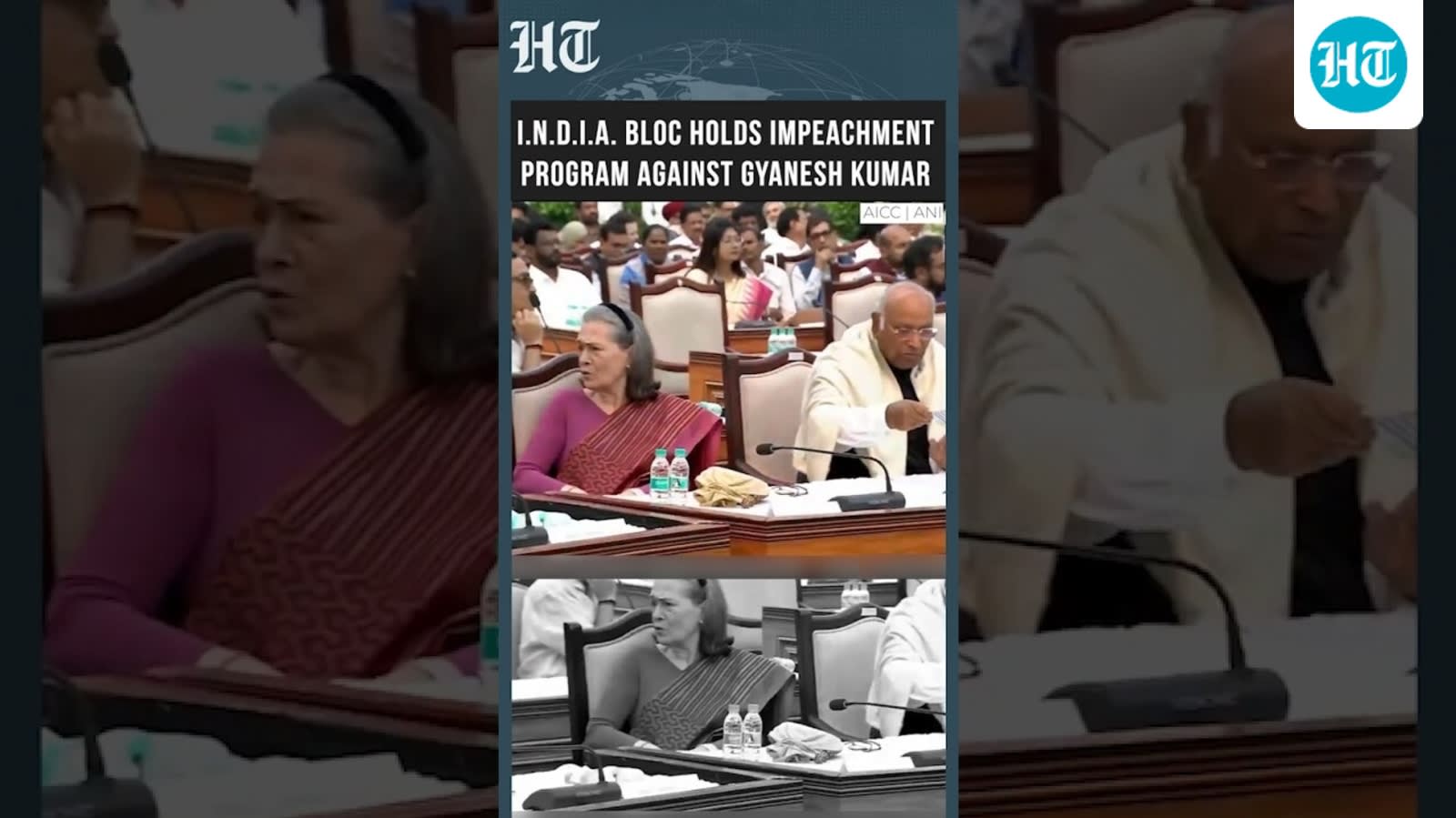
The INDIA bloc has initiated a 'public impeachment' of CEC Gyanesh Kumar, alleging large-scale electoral manipulation through the deletion of 13.2 crore voters. Opposition leaders are converging on Delhi for a 'Chalo Dilli' march and rally at Ramlila Maidan to demand the CEC's resignation.
The INDIA Bloc’s Mobilization Against the Election Commission
The Indian National Developmental Inclusive Alliance (INDIA) bloc has launched a significant political offensive, centered on a "public impeachment" of Chief Election Commissioner (CEC) Gyanesh Kumar. This movement, rooted in allegations of systemic electoral manipulation, reached a crescendo as opposition leaders and supporters converged on Delhi’s Ramlila Maidan. The protest, which follows a series of delays due to inclement weather, signifies a rare and aggressive confrontation between the national opposition and the constitutional body responsible for overseeing India's democratic processes.
The Allegations of 'Vote Chori'
At the heart of the controversy is the Special Intensive Revision (SIR) of electoral rolls. The INDIA bloc has leveled six formal charges against CEC Kumar, the most explosive of which is the alleged deletion of 13.2 crore voters from the electoral rolls. Opposition leaders, led by Rahul Gandhi, have characterized this as 'vote chori'—a deliberate theft of the mandate. The coalition asserts that these deletions were not administrative errors but calculated maneuvers to disenfranchise voters, allegedly executed at the behest of the ruling BJP leadership, including Prime Minister Narendra Modi and Home Minister Amit Shah.
Internal Dissent and Institutional Scrutiny
Fueling this political fire is the recent report by the Indian Express, which highlighted internal discord within the Election Commission itself. According to the report, Election Commissioners Sukhbir Singh Sandhu and Vivek Joshi had recorded objections multiple times over the preceding ten months regarding decisions related to the SIR process. This revelation has provided the opposition with significant ammunition, allowing them to frame their protest not merely as partisan rhetoric but as a defense of institutional integrity against an allegedly compromised leadership.
The 'Chalo Dilli' Strategy
The mobilization strategy has been multi-phased: a symbolic "public impeachment" conducted via a show of hands, followed by the "Chalo Dilli" march. The march, beginning at the Minto Road–Connaught Place junction and culminating at the historic Ramlila Maidan, serves as a show of strength intended to pressure the government. Rahul Gandhi’s vocal involvement, including his accusations regarding the Home Ministry’s alleged attempts to impede the arrival of protesters, highlights the high-stakes nature of this demonstration for the opposition’s credibility.
Broader Political Implications and Future Trends
This confrontation marks a critical juncture in the relationship between the Indian opposition and the Election Commission. By questioning the legitimacy of the SIR process, the INDIA bloc is effectively challenging the foundational fairness of future electoral cycles. Should this pressure campaign gain momentum, it may force a more transparent review of electoral roll management or, conversely, lead to a deeper polarization of constitutional institutions. The demand for the CEC's resignation sets a precedent for how opposition alliances might utilize public mobilization to contest administrative decisions in the future.
Conclusion
The situation in Delhi remains fluid as the INDIA bloc continues its push against CEC Gyanesh Kumar. With accounts from affected voters providing a grassroots dimension to the opposition's top-down political charges, the narrative of "electoral theft" has become the unifying theme of the coalition's current agenda. As the nation watches the developments at Ramlila Maidan, the core issue remains the public trust in the independence of India’s electoral machinery and the accountability of those tasked with its stewardship.
Multiple Citing Sources
Verification Required?